Fireworks not only terrify animals
Not everyone experiences joy during festive fireworks.
During the festive season celebrations, it is not only the animals that suffer when fireworks are set off; some humans do too.
Not everyone experiences joy and delight during these colourful and loud displays, especially those suffering from post-traumatic stress disorder (PTSD).
Humans have an irresistible urge to explain behaviour, to attribute it to some cause, to make it seem orderly, predictable and controllable. But, what if something – such as fireworks over the festive season – triggers a response in us that is more than we can handle or cope with?
To explain this, counselling therapist, Nadine van Rensburg, shed some light on what people with PTSD or other disorders experience during firework displays. “Our instant intuitions shape our fears, impressions and relationships. Intuition is huge, but intuition is also perilous as our behaviour is influenced, not just by the objective situation, but also by how we construe it,” she explained.
The explosion of fireworks can trigger a startle response in people who have PTSD, autism, or any other similar disorder. “Although the loud noise can trigger traumatic memories, it is typically the unpredictability of the explosion that is the culprit,” she elaborated.
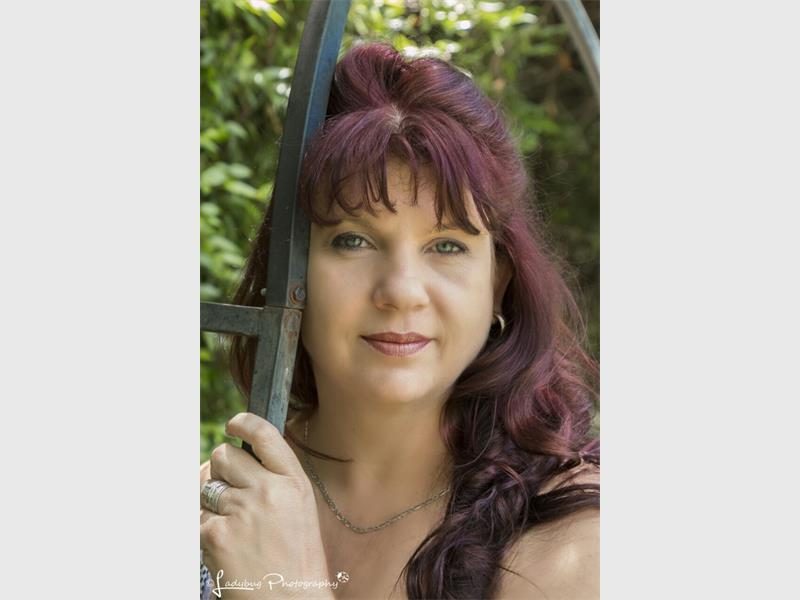
She also explained that people suffering from PTSD can become angered or reactive to perceived threats easily. “In some instances, our behaviour affects our attitudes as actions also affects our moral attitudes; that which we have done, even if it is evil, we tend to justify as right. Anxiety with devastating actions might be at the forefront.”
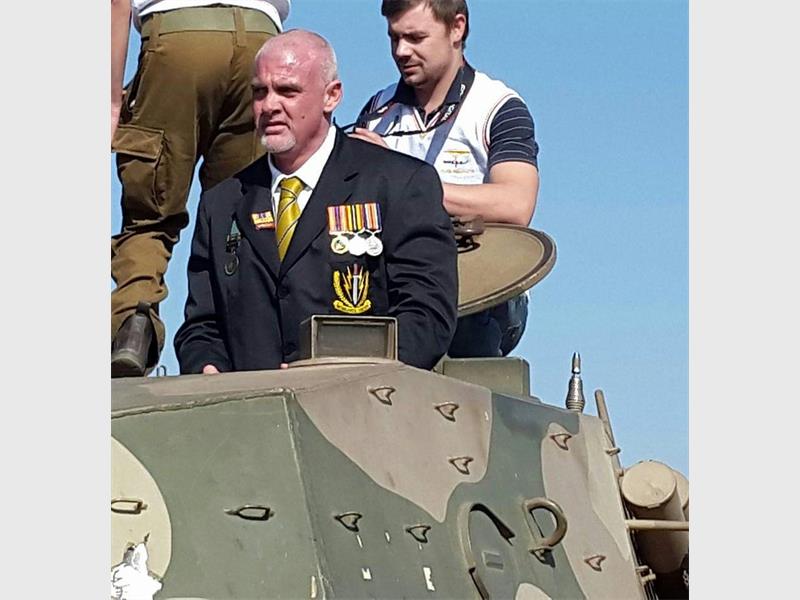
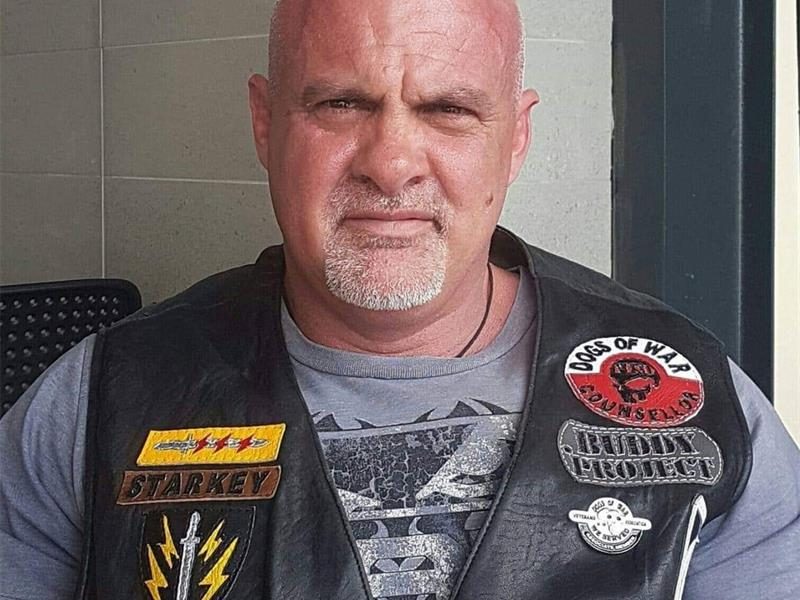
James Starkey, 50, who is living with PTSD, shared his life story. He was based with an Army unit in 1987 and 1988 when Russian and Cuban soldiers were active in Angola. “Having to fight and deal with death at the age of 18 and 19 I wish on anybody. To see and do things like that at such an early age do take its toll. Living under my vehicle in the middle of Angola, not brushing my teeth or showering, fighting an unconventional war and seeing the biggest battles on African soil since World War II changed me and turned me into someone I was not,” he explained.
He added that, after his return, he suffered from severe PTSD, “We were not offered any debriefing or trauma counselling. We were just sent back to society and expected to function normally. We had to fit in, without professional help. Sadly, I used alcohol and drugs to cope. My behaviour was off the charts, my family never knew who was coming through the door. I was either happy dad or sad dad.”
James said he never used to be violent or aggressive until he returned from the Army. “When there were thunderstorms or fireworks, my body would go numb. The loud bangs and the flashes would give me flashbacks. Very often, after a fireworks episode, I would have to go for physiotherapy because my muscles had gone into spasms. I would get a fright if a car backfired, and even when I was just walking down the street and an aircraft would come in very low, I would hit the ground. I struggled to deal with normal civilian life until I got professional help,” he said.
He was back in the hospital about two months ago. “It’s quite a serious condition, and if it’s not managed, it will just get worse. Many people suffer from this disorder without being aware of it; they don’t even know that their behaviour is because of the war and this disorder.”
James has a message for everyone who is suffering. “There is a way out; it is not always easy, but there is. Get the help you need. I did and it made me a better person.”
“Firework displays are spectacular to watch but has a negative effect on humans and the environment,” Nadine concluded.