Madlanga Commission exposes cracks in South Africa’s justice system
Madlanga Commission hearings expose allegations of corruption, intimidation and missing evidence.
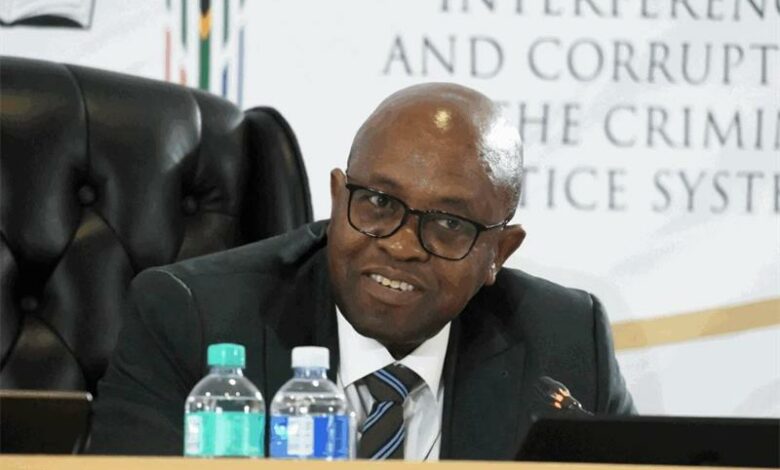
The Madlanga Commission, established by President Cyril Ramaphosa and chaired by Justice Mbuyiseli Madlanga, continued its hearings from May 18 to 26 at the Brigitte Mabandla Justice College, where testimony and cross-examinations centred on allegations of institutional corruption, witness intimidation, missing narcotics evidence and possible criminal infiltration within South Africa’s law enforcement structures.
Also read: RECAP: Madlanga Commission takes a closer look at SAPS’ narcotics operations and drug busts
The week’s proceedings featured references to several individuals, including Brown Mogotsi, Advocate Matthew Chaskalson, Suliman Carrim and Matipandile Sotheni, as the commission intensified its focus on policing failures, evidence management, and alleged links between organised crime networks and officials within law enforcement and intelligence structures.
Witness safety and intimidation concerns
On May 18, proceedings were overshadowed by renewed concern over witness safety following discussions linked to the murder of Marius van der Merwe, also known as Witness D. Van der Merwe’s killing, and the ongoing legal proceedings involving former SAPS task force member Matipandile Sotheni, remained central to broader concerns about intimidation of those co-operating with the inquiry.
Justice Madlanga and evidence leader Advocate Matthew Chaskalson continued to preside over proceedings amid heightened public concern about the safety of witnesses. Earlier testimonies from protected witnesses, including Witness G and Witness H, were partly heard in camera due to security risks.
Also read: Madlanga Commission hears claims of tender interference and police-linked influence
The developments raised questions about the state’s ability to protect whistleblowers and maintain confidence in the justice system.
Allegations of missing narcotics and evidence failures
On May 19, testimony shifted to alleged irregularities involving major drug seizures linked to Aeroton and the Durban harbour. Witnesses described concerns around evidence handling, storage procedures and alleged failures within police operations.
Questions were raised about how confiscated narcotics allegedly went missing from secure facilities, and whether criminal syndicates may have benefited from insider involvement within law enforcement structures.
Advocate Chaskalson led a detailed cross-examination focusing on timelines, chain-of-custody procedures and operational accountability, with witnesses challenged on inconsistencies in their testimony.
The evidence presented painted a concerning picture of possible institutional compromise, with allegations of organised crime infiltration into units responsible for combating drug trafficking.
Cross-examination and systemic concerns
By May 20, cross-examinations dominated proceedings as senior police and intelligence-linked figures faced sustained questioning. Justice Madlanga reiterated the importance of transparency and accountability, while evidence leaders probed alleged investigative failures and weaknesses in evidence management.
Chaskalson focused on contradictions in testimony, breakdowns in the chain of command, and alleged relationships between law enforcement officials and individuals linked to drug trafficking networks.
The hearings increasingly pointed to concerns that corruption within law enforcement may not be isolated but indicative of broader systemic vulnerabilities.
Broader implications and public confidence
By May 21, attention shifted beyond individual testimony to the broader credibility of South Africa’s criminal justice system. Figures such as Brown Mogotsi, Suliman Carrim, Marius van der Merwe and Matipandile Sotheni remained central to discussions around the inquiry.
Testimony relating to compromised investigations, missing evidence and alleged collusion between officials and criminal syndicates further eroded public confidence in policing and intelligence structures.
Comparisons with the Zondo Commission resurfaced, with questions raised about whether the Madlanga Commission would lead to tangible reform or become another inquiry remembered primarily for its revelations.
Arrest marks a significant development
On May 22, the commission reached a major turning point when its task team arrested a captain from the Police Forensic Science Laboratory on charges linked to defeating the ends of justice in matters connected to evidence before the inquiry.
The arrest signalled that the commission’s work was extending beyond testimony into active law enforcement action. While some viewed the development as evidence of progress, others cautioned that arrests alone would not restore public trust without successful prosecutions and broader institutional reform.
Ongoing scrutiny of law enforcement structures
The hearings from May 18 to 22 underscored serious allegations of corruption, intimidation and possible criminal infiltration within South Africa’s policing and intelligence environment. Through testimony and cross-examination involving multiple key figures, the commission highlighted a justice system under sustained scrutiny.
The proceedings have raised fundamental questions about whether institutions tasked with combating organised crime may themselves be compromised.
Whether the commission ultimately results in meaningful reform or joins a list of stalled inquiries will depend on developments after the hearings conclude.
For now, the hearings have made one point clear: South Africa’s criminal justice system remains under intense public scrutiny, with accountability expectations rising.