A humble heart devoted to helping wildlife in the West Rand find their feet again
An unsung hero in the conservation community, Georgie hopes to help conserve the Roodekrans Ridge and the surroundings' wildlife population.
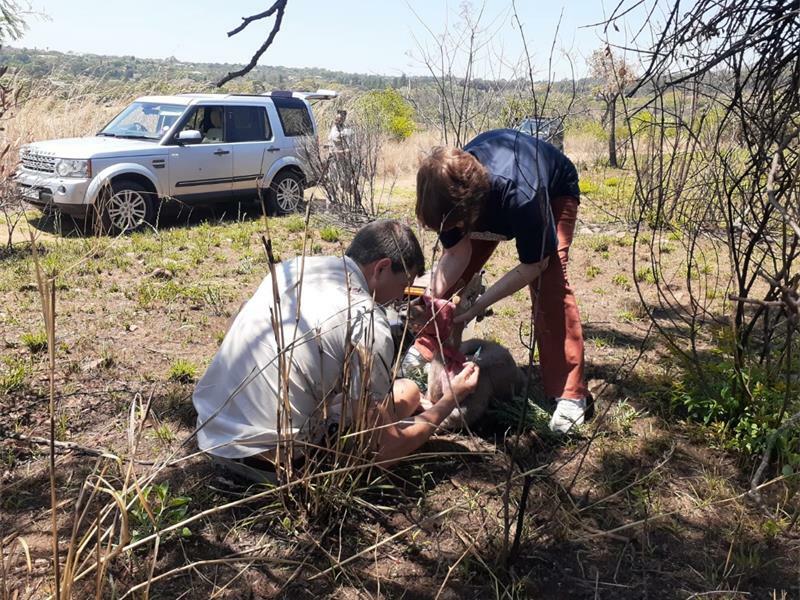
Georgina Lackinger, or Georgi as her friends call her, decided to change paths from helping and treating humans to helping rescue, rehabilitate, and release urban wildlife in and around the Roodekrans Ridge.
For the last nine years, Georgie has been focussing on wildlife conservation and rehabilitation within the West Rand community.
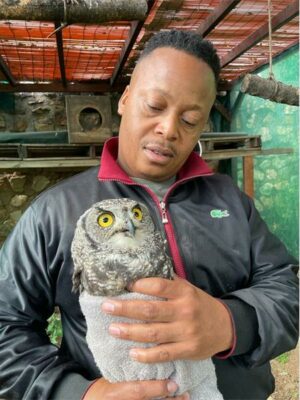
“I always tell people that I spent the first half of my life helping people, and now I am spending the second half to help animals,” chuckled Georgie.
Georgi has been permitted to help rescue and rehabilitate wildlife under the South African Rehabilitation Centre and explained that there has been a shortage of wildlife rehabbers in the area. Even before Georgie turned into a full-blown animal rehabilitator, she had a passion and curiosity for wildlife and nature conservation.
“I took a nature conservation course when I was about 22 years old and have since done various rehabilitation courses,” elaborated Georgie as she told of her younger days training at a local veterinary clinic to help look after injured garden birds.
“Then I took the legal route and got sucked into this wonderful world,” she added.
Georgie describes herself as a cog in the machine and often credits Roodekrans Neighbourhood Watch and members of the Sugarbush Ridge Coalition for their trust and support.
“I wouldn’t be able to help as many animals if it weren’t for the wonderful people around me,” she added, noting that she probably saved thousands of animals in her nine years as a rehabilitator.
“I am permitted to help every wild animal within the Western Gauteng region. I always believe in putting the animals’ care first – you’ll never see me take a ‘selfie’ with an injured animal in my care or interact with them more than is necessary,” explained Georgie. Wild animals need a healthy fear of humans to survive, if a rehabilitator interacts with their ‘patient’ excessively, then it might not look at other humans as a threat and get killed or injured in the process.
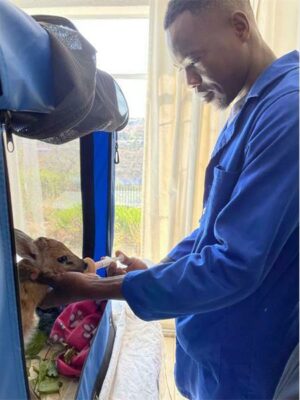
Georgie admits that she rarely lets volunteers come and help out as she has two wonderful full-time employed men, Peace and Jeffrey, who help take care of the injured animals. She explained that Peace is also a permitted snake catcher and they do what they can when they can.
“Fortunately many of the security companies in the West Rand know to call me when they see wildlife that might be injured or misplaced,” she explained, “Most members of the community don’t realise that we have a beautiful variety of urban wildlife in our area and that if they see, let’s say, a porcupine, for example, running around in a grassy area that they should not interfere.
The animal knows where it is and has most likely lived in the area for quite some time,” she elaborated adding that residents should only be concerned if the wildlife look injured, is limping, or is stuck inside their yard.