Come on board the Special Olympics
Joyce Bentley said being on the Board of Special Olympics means that they oversee everything that involves the Special Olympics in the country.
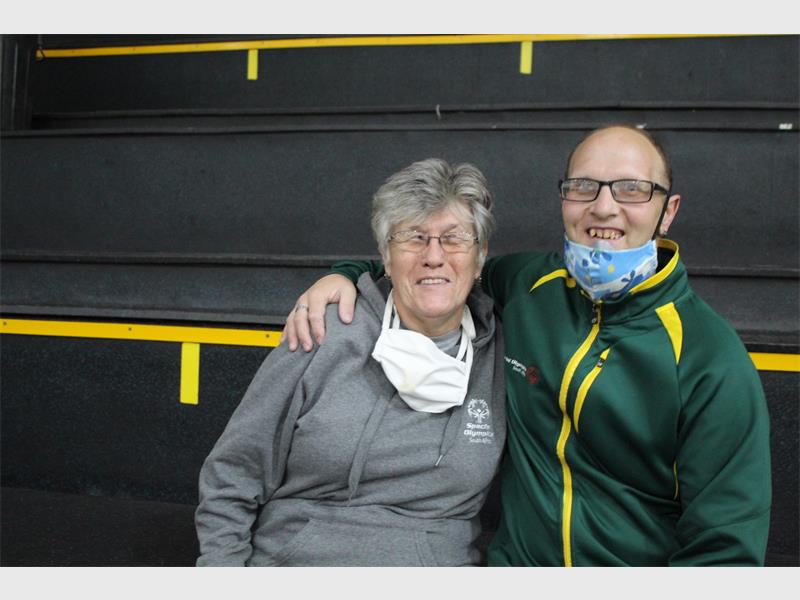
Being the parent to a Special Olympics athlete is certainly a lot of work. There are practice sessions, meal plans, medication and of course all the travelling. Joyce Bentley takes all of this in her stride while also serving on the Board of Special Olympics South Africa.
Joyce said the Board oversees everything that involves the Special Olympics in the country.
“A lot of people on the Board don’t have special-needs children themselves. I bring another angle to the Board because I know what it’s like to have a special-needs child and to try and keep him safe and healthy. It is a privilege for me to be on the Board,” she explained.
“All special-needs children are not the same, they are neurodiverse. Some have autism, others Down syndrome, while some have minimal brain damage. It takes a lot more time to train a Special Olympics athlete.”
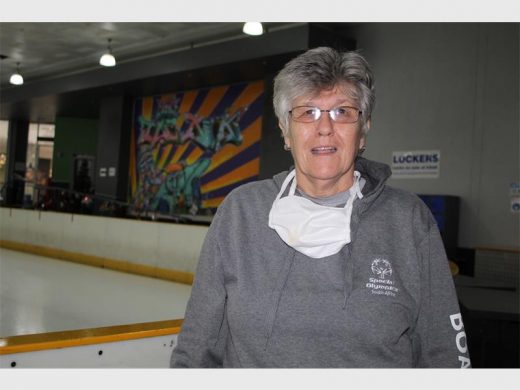
The Muldersdrift resident explained that aftercare when athletes are not training is crucial to their performance and overall well-being. This includes their overall health, diet and taking their medication accordingly. This can be especially difficult in the case of athletes from disadvantaged areas. “I have been coaching my son, Shane since he was about nine or ten. He doesn’t only do speed skating; he’s done athletics since he was a kid. He does floor hockey, he swims and he plays soccer, but his passion is skating. He has been skating since the end of 2015.”
Bridging the gap between being a parent and being a coach is all about balance. She said where other athletes give the coach respect, “… your son gives you the disrespect. Sometimes it becomes an issue but we leave it and address it once we are in the car. I explain the issue to him because Shane is a 36-year-old adult operating on a seven- of eight-year-old’s brain. This is where the neurodiversity comes in again; although he is classified as an adult, he still has a child’s brain. However, I am blessed because he could have been more severely disabled.”
She said one of the most important things Special Olympians need is opportunity. Many people do not know about the Special Olympics or the athletes.
“The more opportunities our athletes get, the better they are. They need to go to a soccer match, a floor hockey match and come down to an ice rink to see what these athletes can achieve if they are just given an opportunity. Special Olympics gives them that opportunity.”