The decentralisation model is being reviewed by the Gauteng Department of Education
Gauteng Department of Education schools owe Eskom a total of R6.32m
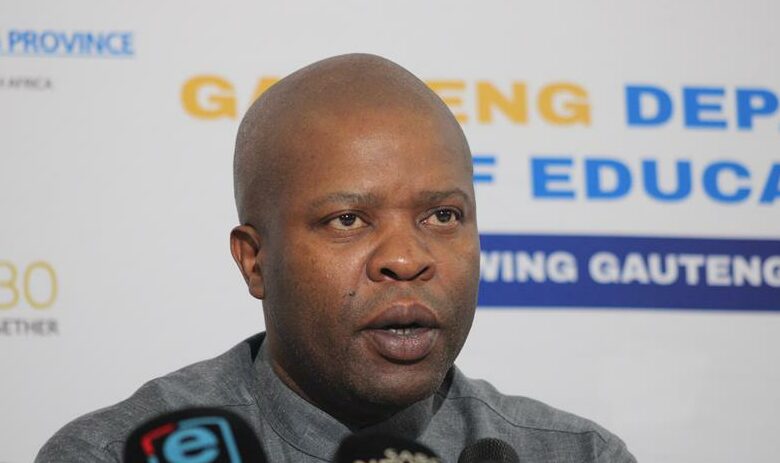
In efforts to address ongoing water and electricity disruptions in Gauteng schools, Lebogang Maile, MEC for Education and Sports, Arts, Culture, and Recreation, announced during a media briefing on May 17 that the department is reviewing the decentralisation model.
Speaking at Lyndhurst Primary, Maile explained how the system currently works:
“De-centralisation of municipal services to public schools in Gauteng refers to the process where responsibility for paying municipal accounts, such as water, electricity, refuse removal, and sanitation, is shifted from the Gauteng Department of Education to individual public schools and their school governing bodies (SGBs).”
Under this model, schools receive allocations from the department and are expected to manage and pay their own municipal accounts.
Read more: Gauteng department of education reviews de-centralisation model
Maile noted that financial decentralisation provides several benefits. It allows schools and SGBs to exercise greater control over budgeting, procurement, and expenditure to meet their specific needs.
It also enables faster decision-making, as schools can respond quickly to urgent requirements without waiting for departmental approval.
Maile also referenced a recent Pretoria High Court ruling, which ordered the City of Tshwane to immediately restore electricity to schools disconnected over unpaid property rates.
“The ruling prohibits further power cuts, confirming that schools should not face disconnection for property rates owed by authorities. This is an important ruling that affirms the importance of protecting the education system in Gauteng and South Africa broadly.”
Also read: City of Johannesburg’s blitz operation resulted in notices for non-compliance and by-law education
He further noted that Gauteng schools currently owed Eskom R6.32m. The MEC stressed that while teaching and learning should not be interrupted, municipalities’ need for revenue cannot be ignored.
“We recognise that municipal revenue is vital for funding essential public services, infrastructure development, and local economic growth, enabling municipalities to function effectively, maintain financial sustainability, and reduce reliance on national grants.”
Despite the benefits, Maile acknowledged significant challenges with the model. No-fee and low-income schools struggle to pay rising municipal tariffs with limited allocations, while some schools inherited historical municipal debt predating decentralisation.
These financial pressures have led to service disconnections, as seen in Tshwane, where electricity and water were cut off due to unpaid accounts. These issues have prompted the department to reconsider the policy.
“This has been made necessary by challenges with financial management and sound governance, which result in the non-payment of municipal services.”
Follow us on our Whatsapp channel, Facebook, X, Instagram and TikTok for the latest updates and inspiration!