
Sandton discussion urges South Africans to treat obesity as a chronic disease
From stigma to late diagnosis, experts say misunderstanding obesity is delaying treatment and putting lives at risk, while those living with the condition say the emotional burden is often invisible.
As South Africa prepares to enter the Easter holidays, many families will gather around tables.
Those tables will be filled with food, laughter, and, possibly, uncomfortable comments about weight, like ‘You’ve gained weight’, and ‘Don’t worry, big is beautiful’. These remarks may seem harmless, but health experts warn they reflect a deeper problem. Somewhere between body positivity and diet culture, the country has struggled to find a balanced understanding of obesity, treating it, at times, as a personal failure, at other times as something to ignore.
According to health professionals, obesity is not simply a lifestyle choice or a lack of discipline. It is a chronic, progressive disease that requires medical attention, early intervention, and long-term management.
Read more: Obesity is a disease, not a choice, experts warn
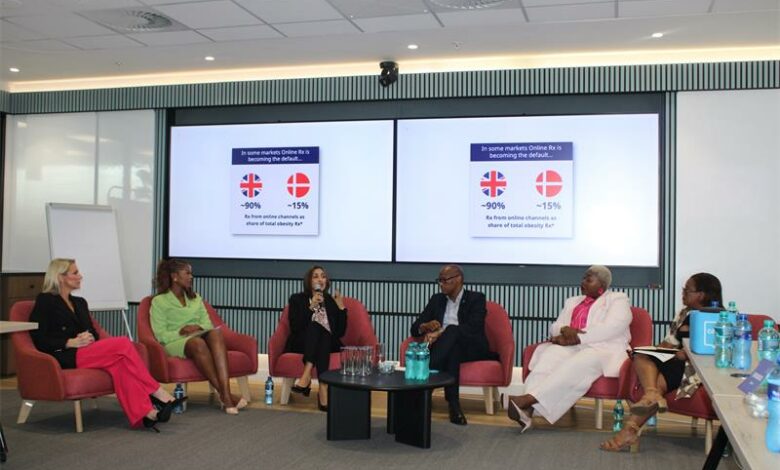
This message was the focus of a discussion hosted by Novo Nordisk in Sandton on March 25, where healthcare professionals, media representatives, and people living with obesity spoke openly about stigma, treatment, and the realities of living with the condition. Specialist physician and endocrinologist Dr Reyna Daya said stigma remains one of the biggest barriers to treatment. “People often assume obesity is simply about eating too much or moving too little. In reality, there are many risk factors, biological, environmental, and social. It is a chronic disease that predisposes people to serious conditions, such as high blood pressure, diabetes, cardiovascular disease, and mental health challenges.”
She added that, in many cases, patients only seek medical help once complications have already developed, making treatment more complex and costly. While medical experts spoke about the clinical realities of obesity, comedian and media personality Celeste Ntuli shared a deeply personal perspective on what it means to live with the condition. Ntuli said weight gain is rarely caused by a single factor and often reflects a combination of life changes, emotional stress, and physical health challenges. “Every time you pick up weight, there is always a different reason. My story started with menopause, then it became about how much you eat, but there are so many other factors that contribute.”
She explained that people living with obesity often face complex emotional and psychological pressures that are not always visible to others. “There are a lot of psychological and emotional connections that happen at different stages of life, which also confuse us as people living with obesity.”
Ntuli described how demanding work schedules, stress, and disrupted routines can make it difficult to maintain healthy habits, particularly for people whose careers require late nights or irregular hours. “I am an entertainer. Sometimes we work at night, and then you are told to wake up at five in the morning to exercise. You try to do the right things, but life gets in the way. Your business, your responsibilities, your stress, everything starts to affect your routine.”
She said this constant struggle can create a cycle where people want to improve their health but feel overwhelmed by competing demands. “It becomes a catch-22. You want to sleep better, but you cannot sleep because of work. You want to exercise, but your schedule does not allow it.”
Also read: These food myths may contribute to childhood obesity
Beyond physical health, Ntuli said living with obesity often involves social pressure and self-doubt, particularly in public spaces. “Even coming to an event like this, you want to look good and feel confident, but you are also worried about how people see you. You start questioning yourself, whether you are doing enough, whether you are failing, whether you are not trying hard enough.”
She stressed that people living with obesity are often misunderstood and unfairly judged. “It is not because you do not listen or do not care about your health. We try diets, we try exercise, we try everything. It is not that we do not love life. We do love life.”
Registered dietitian Azi Booi said another major barrier to treatment is a lack of awareness about available support services. “Many people do not know that dietitians can help them manage obesity.”
Booi highlighted that the cost also remains a significant challenge, particularly in private healthcare. However, she emphasised that dietitians are available in public hospitals and clinics, and early intervention can prevent serious health complications later in life.
Follow us on our WhatsApp channel, Facebook, X, Instagram and TikTok for the latest updates and inspiration!