
QnA With Mpiwa Mangwiro From Sonke Gender Justice
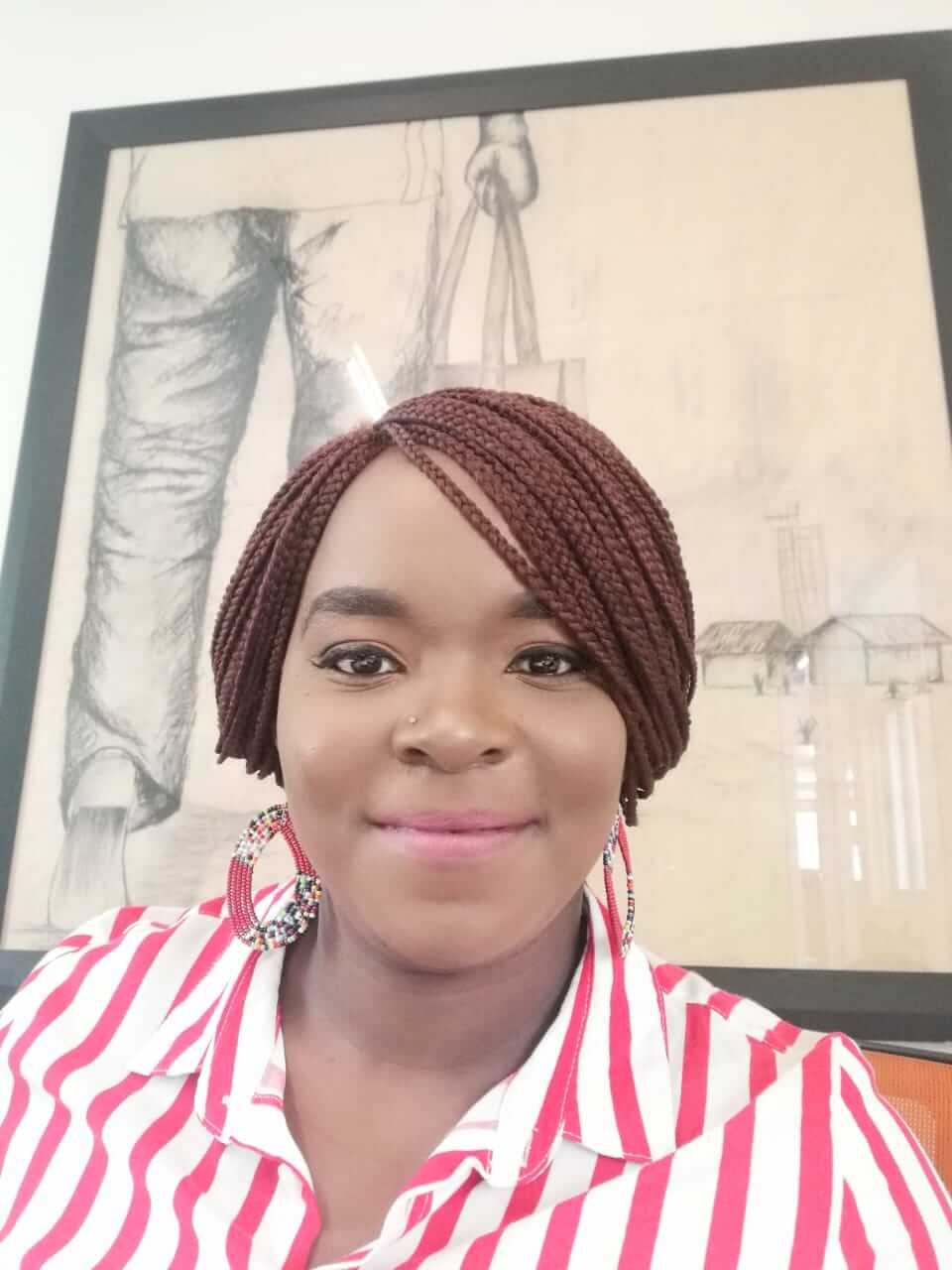
We chat to Mpiwa Mangwiro, a Human Right Advocate and Regional Campaigns Specialist for Sonke Gender Justice. We touch on her career, what inspires her and how the lockdown is affecting domestic violence in South Africa.
1. What inspired you to become a Human Right Advocate?
Growing up and witnessing injustice in society especially with regards to men and women inspired me to challenge inequality within my sphere of influence. As years progressed, I developed an interest in the law and specifically in human rights to challenge injustice and protect the rights of the vulnerable in society.
2. You have done so much for survivors of gender-based violence, what has your journey been like serving people in need?
It has been an interesting journey with its fair share of challenges albeit fulfilling. I remember the days when I was in private practice as a legal practitioner. While I did my work well, it was not fulfilling because I was not necessarily doing what I wanted – which was to help people, particularly women and girls, gain access to the justice system. Working with survivors of gender-based violence (GBV) has been a painful eye-opener to the levels of injustice, violence and inequality in our society. It has however been fulfilling to help survivors access justice and assist in getting their lives back on track.
3. What is your biggest motivation right now?
My biggest motivation is to see women and girls live in an equal society free from abuse and violence. While this may seem like a dream, I hope there will be a day when our sisters, mothers, aunts, daughters and I can walk freely on the streets without looking over our backs and worrying about how we may be abused because of what we are wearing or where we are. I also long to see women and girls occupy those spaces that they continue to be discriminated from attaining because of their gender.
4. What are your views on how the lockdown has impacted domestic violence victims?
While the lockdown has been necessary to help contain the spread of COVID 19, it has unfortunately led to an increase in cases of domestic violence. This is because many women and girls are currently locked up with their abusers and with no one watching how these abusers are treating them. As we know, domestic violence also happens in the very private spaces which ought to be safe havens for women and girls. The lockdown also comes with some form of anxiety and uncertainty which exacerbates conflict in households. Without peaceful conflict resolution mechanisms, women and girls have become more vulnerable to abuse from their frustrated abusers.
5. How is the Sonke Gender Justice organisation helping people during the lockdown period?
Sonke Gender Justice has been calling on men and boys to desist from resorting to violence during the lockdown period and they’ve provided information on what to do if one is abused. The organisation has also urged the state to provide sufficient personal protective equipment to health care workers, the majority of whom are women.
6. What words of encouragement do you have for people who are spending the lockdown period with their abusive partners?
I would like everyone in an abusive environment to know that it is not their fault that they are being abused – no one deserves such treatment. I also urge them to seek help. They can call the police on 10111. There is also a GBV command centre which is open 24/7 and they can be contacted via SMS by texting “help” to 31531 or by calling them on 0800 428 428. There is also a ‘please call me’ facility: *120*7867# call.
We are thankful for organisations like Sonke Gender Justice for doing their part in ending domestic silence. Visit the JOKO website for more information on NGO organisations that are doing their part in helping victims of domestic violence.