Rea Vaya Phase 1C (a) Sandton Station stands at 55% complete
As Phase 1C (a) takes shape, the city is rolling out 141 low-entry buses, new stations, and smart technology, transforming Johannesburg’s public transport landscape.
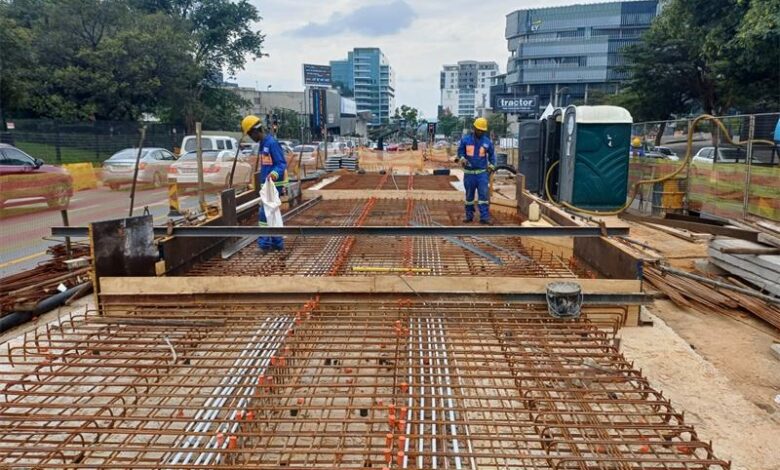
Following an active fast tracking of Rea Vaya Phase 1C (a), the third trunk route in the Rea Vaya network, the Johannesburg Development Agency (JDA) announced that Sandton station is 55% complete.
This phase promises to bring 141 low-entry buses, 13 new stations, and safe, affordable public transport to more than 40 000 passengers across areas like Sandton, Marlboro, Wynberg, Hillbrow, Yeoville, Orange Grove, and Greenstone.
JDA CEO Themba Mathibe said: “The Sandton and Gandhi stations are each 55% complete, while Katherine Street station, a prototype inspired by the low-floor design of the Johannesburg Art Gallery station, showcases the innovation behind this rollout.
Also read: Gautrain launches 50% fare discount with new KlevaMova offer
“Road construction is also advancing. Edith Cavell Street (15%), Rivonia Road (5%), and Katherine Street (30%) are all undergoing upgrades to support dedicated bus rapid transit (BRT) lanes.”
Two bus depots: one in Alexandra and another in Selby, are being developed to house and maintain the growing fleet. The newly established Alexandra Bus Company will operate services for Phase 1C (a), ushering in a new era of community-driven transit.
Phase 1C is not just about hardware; it’s about harnessing technology to improve the commuter experience.
The city is transitioning to an account-based ticketing (ABT) system, replacing the old automated fare collection model. Rolled out through the Metropolitan Trading Company (MTC), this digital leap will simplify how commuters access and pay for services. Adding to this modernisation is the launch of Joburg Free WIFI across Rea Vaya stations, also powered by MTC.
Read more: Progress on Sandton Rea Vaya BRT rollout
MTC CEO Thedi Moropa said: “With this initiative, introduced on March 31, commuters can connect, plan trips via the Rea Vaya app, and even load funds onto their ABT travel cards, all while waiting for their next bus.”
Why Rea Vaya still matters:
The system plays a critical role in:
- Reducing traffic congestion and vehicle emissions,
- Making public transport accessible, safe, and affordable,
- Supporting economic growth and job creation, and
- Transforming the minibus taxi industry into formal, prosperous transport businesses.
At its core, Rea Vaya is about more than buses. It’s about a vision of inclusive, connected, and climate-smart cities.
Key features that distinguish BRT from regular bus services:
- Dedicated lanes: Ensuring buses avoid traffic congestion,
- Priority at intersections: Reducing delays for BRT buses,
- Off-board fare collection: Faster boarding at stations,
- Platform-level boarding: Easier access for all, including those with disabilities, and
- Enhanced stations: Providing amenities like seating, lighting, and real-time info.
Empowering small, micro, and medium-sized enterprises (SMMEs), supporting taxi associations, and community support:
A key success of Rea Vaya is its impact on SMMEs. Contracts for infrastructure were awarded to local businesses, boosting their growth. The system’s design also prioritised taxi industry collaboration, offering taxi operators opportunities to participate and benefit, some even gaining shares in the new transport enterprises.
Also read: JDA unveils R83.7m Sandton road strengthening project to enhance public transport
Some of the inspiring stories about the collaboration between the BRT system and taxi associations in Johannesburg:
- Transformation of the taxi industry: The introduction of the Rea Vaya BRT system has led to significant changes in the taxi industry. Many former minibus taxi drivers have transitioned to become BRT drivers, gaining formal employment, with better job security and benefits.
- Improved commuter experience: Commuters have reported a safer and more reliable travel experience with the Rea Vaya buses, compared to the informal minibus taxis.
- Economic empowerment: The collaboration between the city and taxi associations has also led to economic empowerment. Taxi associations have been given opportunities to participate in the BRT system, ensuring they benefit from the new transport infrastructure.
- Community support: The BRT system has received positive feedback from the community for its role in reducing traffic congestion and providing a more organised public transport option.
City of Johannesburg’s Transport Department executive director Lutando Maboz said: “The BRT system has improved accessibility to essential services, such as healthcare, education, and employment, particularly for residents in previously underserved areas. The reduction in traffic congestion and pollution has also contributed to a cleaner and healthier urban environment.”
Follow us on our Whatsapp channel, Facebook, X, Instagram and TikTok for the latest updates and inspiration! Have a story idea? We’d love to hear from you – join our WhatsApp group and share your thoughts!