SASOLBURG – A war erupted between the National Union of Metalworkers of South Africa (NUMSA) in the Sedibeng region and the management of Die Veiling Pub and Grill.
This followed explosive allegations of wage discrimination, unsafe working conditions, and union-busting tactics. NUMSA accused the Sasolburg-based establishment of what it described as “vulgar and barbaric behaviour” after workers allegedly had their salaries withheld for joining the union.
According to NUMSA, on December 23, Die Veiling Pub and Grill allegedly paid non-union employees while deliberately excluding NUMSA members.
The union claimed this amounted to blatant intimidation and discrimination, using wages as a weapon of class warfare to undermine workers’ constitutional right to freedom of association.
NUMSA further alleged that the employer escalated the matter by issuing a Section 189 notice to outsource cleaning services.
According to the union, this move disproportionately targeted NUMSA members and sought to dismantle organised labour at the workplace.
Adding fuel to the fire, NUMSA alleged that cleaners at the establishment are subjected to degrading and unsafe working conditions.
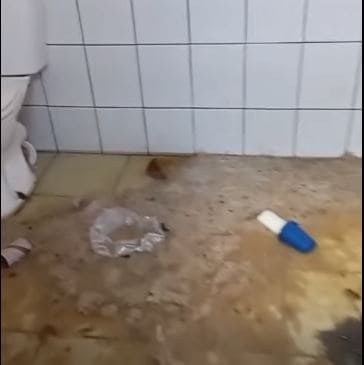
Workers were allegedly forced to clean toilets contaminated with human waste, handle filthy dustbins, and work without proper personal protective equipment, including masks.
Die Veiling Pub and Grill, however, hit back, strongly denying all allegations and dismissing them as misleading, defamatory and part of a deliberate campaign to damage the business.
In an official statement to Ster, the owners claimed they did not discriminate against anyone for being a union member.
Management futher insisted that no salaries were withheld due to union participation.
Management explained that all remuneration was processed in line with the Basic Conditions of Employment Act, which allows employers up to seven days after the end of a pay period to pay wages. Regarding photos and videos of “filthy conditions” shared on social media, the pub claimed these were staged.
“The images were taken out of context and published without following proper legal or disputeresolution channels,” management said.
Die Veiling claimed the images were captured immediately after what was believed to be a burst pipe. According to management an independent third party later discovered the pipe had been deliberately damaged, suggesting sabotage aimed at creating defamatory content.
“The issue was swiftly addressed once we became aware of the problem. Those who shared the images intentionally omitted this information.” Die Veiling has confirmed that an investigation into the alleged sabotage is currently underway.