The ‘Unseen Heroes’ of the Disability Movement
The participation of disabled veterans in the broader disability movement cannot be overstated.
The aftermath of World War II left an indelible mark on the world, with millions of lives lost, cities reduced to rubble, and a generation forever changed. Among the survivors were disabled military veterans, who faced an entirely new battle: reintegrating into a society that was ill-equipped to accommodate their needs.
Many of these veterans endured life-altering conditions such as amputations, prosthetic limbs, spinal cord injuries, and traumatic brain injuries, among others. Yet, despite these challenges, World War II disabled veterans played a pivotal role in shaping the disability movement. Refusing to be defined by their impairments, they emerged as vocal advocates for accessibility, equality, and inclusivity.
In contrast, South African disabled military veterans of the post-liberation era seem to have missed out on the lessons of their World War II counterparts. This disparity could be attributed to several factors, including limited exposure to international disability movements and entrenched societal attitudes that perpetuate stigma.
For instance, in the United States, the Disabled American Veterans (DAV), founded in 1920, became instrumental after World War II in helping disabled veterans access vital benefits and services. Similar organizations were established in other countries involved in the war, such as the United Kingdom.
The strategies employed by World War II disabled veterans offer valuable lessons. One such approach was deinstitutionalization, which emphasized rehabilitating and reintegrating wounded soldiers into their communities rather than isolating them in institutions. Another effective tactic involved rehabilitation through sports and recreation, enabling veterans to rebuild their physical and emotional resilience.
The participation of disabled veterans in the broader disability movement cannot be overstated. Their unique experiences and perspectives add a critical dimension to the fight for equal rights and inclusion.
By reflecting on the past and forging a united path forward, we can strive toward a more inclusive and equitable society—one where disabled military veterans, along with all individuals with disabilities, can thrive and achieve their full potential.
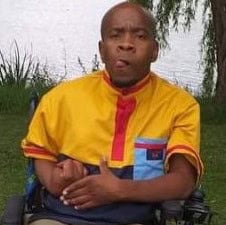
Lucky Tumahole is a Disability Advocate, this is his opinion piece.