The hidden crisis within families and society
"A disabled lesbian woman facing intimate partner violence may encounter prejudice because of her sexuality."
SEDIBENG.- Gender-Based Violence and Femicide (GBVF) is often discussed as a human rights violation, a criminal justice issue and a public health crisis.
Yet, there is another dimension that remains largely invisible in public discourse: GBVF is one of the leading causes of disability among women, men and members of the LGBTQI+ community. Physical assaults, rape, emotional abuse, neglect, economic violence and psychological trauma leave lifelong impairments that extend far beyond the immediate act of violence.
In many cases, survivors emerge not only wounded but permanently disabled.
The family, which should be the safest space for nurturing and protection.
The roots of GBVF are deeply embedded within families. Contrary to popular belief, violence does not begin in dark streets or distant communities. It often starts inside the home, where children witness abuse between parents, siblings experience intimidation and neglect and harmful gender stereotypes are normalised.
The family, which should be the safest space for nurturing and protection, can become the first site where violence is learned, tolerated and reproduced. Young boys who witness violence may internalise domination as masculinity, while young girls may grow to accept abuse as a normal part of relationships.
The reality of family life has also changed significantly. The traditional nuclear family has increasingly been replaced by blended family structures, shaped by divorce, remarriage, migration, economic pressures and changing social norms. While blended families can provide loving and supportive environments, they can also create complex relationships where power struggles, competition, exclusion and abuse occur.
Children with disabilities and women are pushed to the margin.
In some households, children with disabilities and women are pushed to the margins, becoming vulnerable to neglect, emotional abuse and physical violence. The challenge is not the family structure itself but the lack of support systems that address conflict, trauma and violence within these evolving family arrangements.
For many women, GBVF results directly in disability. Assaults can cause spinal cord injuries, hearing loss, blindness, chronic pain and traumatic brain injuries. Survivors of rape and severe physical violence frequently develop psychosocial disabilities, including depression, anxiety disorders and post-traumatic stress disorder.
These disabilities are often lifelong.
The link between violence and disability is therefore not theoretical. Violence creates disability, and disability increases vulnerability to further violence, trapping victims in a vicious cycle.
Many victims face barriers when attempting to report crimes because they are not believed.
Disturbingly, GBV is also prevalent within the disability sector itself. Persons with disabilities experience significantly higher rates of abuse than the general population, often perpetrated by caregivers, family members, service providers, transport operators or institutional staff. Many victims face barriers when attempting to report crimes because they are not believed, cannot access police stations or encounter communication obstacles within the justice system.
Women with disabilities are particularly vulnerable because perpetrators frequently assume they will remain silent or that society will dismiss their testimony.
While many mainstream women’s organisations have courageously taken up the fight against GBVF, there remains an urgent need for stronger organisations led by and representing women with disabilities.
Disabled men face unique challenge.
Their voices are indispensable because disability-related experiences of violence are often overlooked within broader gender advocacy spaces. Issues such as forced dependency, denial of reproductive rights, inaccessible shelters, communication barriers for deaf women and abuse by caregivers require specialised advocacy.
Disability-inclusive women’s movements are not a luxury, they are a necessity if the fight against GBVF is to leave no one behind.
Some become victims of violence themselves.
Equally concerning is the exclusion of disabled men from many discussions on masculinity and GBV. Men’s forums often focus on unemployment, fatherhood, crime, substance abuse and relationships, yet the experiences of men with disabilities remain largely invisible.
Disabled men face unique challenges that are rarely acknowledged.
Many experience social isolation, unemployment, dependency and discrimination that undermine their sense of dignity and belonging. Some become victims of violence themselves, while others struggle with mental health challenges linked to exclusion and poverty.
When disabled men are excluded from conversations on positive masculinity, society misses an opportunity to address harmful stereotypes that portray them as either incapable or irrelevant. Many programmes designed to engage men are inaccessible, physically and socially.
Workshops are held in venues that cannot accommodate wheelchair users, information is distributed in inaccessible formats and discussions rarely address disability-related realities. An inclusive approach to ending GBVF must create spaces where disabled men can speak openly about violence, discrimination, relationships, mental health and their own experiences as both survivors and allies in prevention efforts.
Accessing support services can be particularly difficult.
The situation becomes even more complex for disabled LGBTQI+ persons.
They often face multiple and intersecting forms of discrimination based on disability, gender identity and sexual orientation. Many encounter rejection from families, bullying in schools, exclusion from disability programmes and violence from intimate partners or communities. Accessing support services can be particularly difficult, as some organisations are not equipped to address both disability and LGBTQI+ issues simultaneously.
Disabled LGBTQI+ individuals frequently find themselves navigating systems that fail to recognise the full reality of their experiences. A disabled lesbian woman facing intimate partner violence may encounter prejudice because of her sexuality, while a disabled transgender person may be denied appropriate healthcare or protection services.
Such overlapping vulnerabilities increase the risk of violence while reducing access to justice and support.
South Africa’s commitment to equality and human rights requires a more intersectional response to GBVF. Policymakers, civil society organisations, disability movements, traditional leaders, faith-based organisations and communities must recognise that violence and disability are deeply interconnected.
Preventing GBVF means strengthening families, challenging harmful social norms, building disability-inclusive support systems and ensuring that all survivors can access justice regardless of their abilities, gender identities or social circumstances.
The fight against GBVF cannot succeed while persons with disabilities remain on the margins of policy and advocacy. If we are serious about ending violence, we must acknowledge an uncomfortable truth – GBVF is not only a consequence of inequality, it is also one of the most significant producers of disability in our society.
Addressing this reality is essential for building a safer, more inclusive and more just future for all.
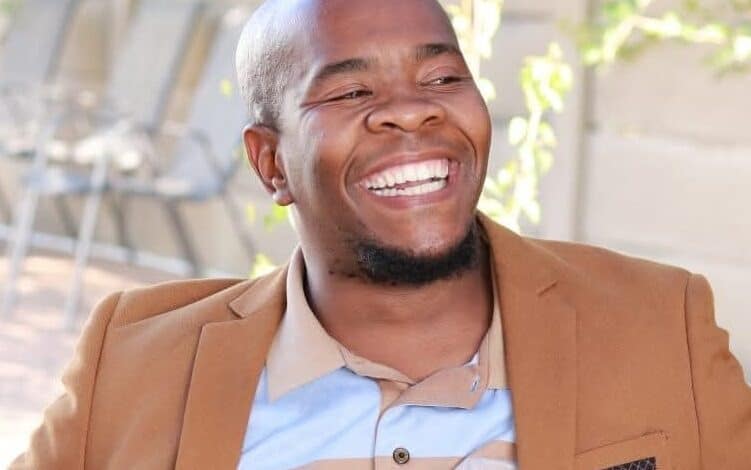
Lucky Tumahole is a Disability Advocate and Political Writer, he writes here in his personal capacity.