
Strategies for coping with your child’s aggressive behaviour
While anger is a normal, healthy emotion when expressed appropriately, some children are frequently angry and struggle to enjoy life.
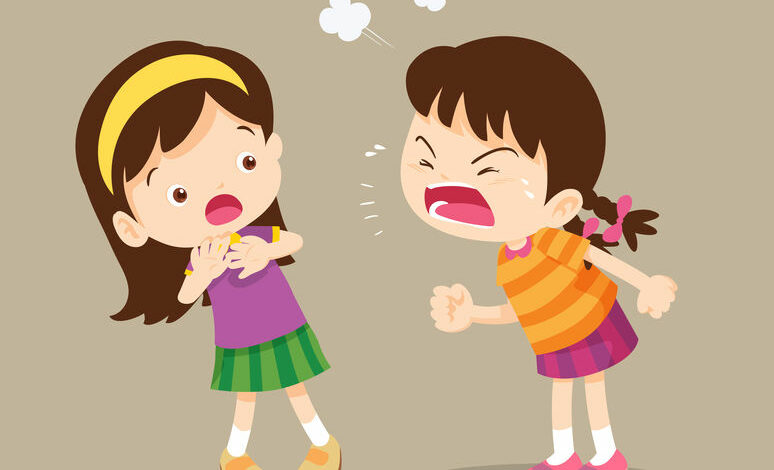
As a parent, you’ve undoubtedly encountered your fair share of temper tantrums, meltdowns, and freak-outs compliments of your child.
Emotional regulation is a skill that all children must develop, and some children take longer than others to regulate their emotions calmly and constructively. However, how can you tell when your child’s aggressive or violent conduct has gotten out of hand and is no longer a part of their learning curve.
Are all children aggressive when they don’t get their way?
Knowing if your child has anger issues boils down to understanding what is developmentally appropriate for your child’s age.
“We normally anticipate some aggressive behaviours in toddlers,” says pediatric psychologist Emily Mudd.
“Younger children frequently express their frustrations physically, simply because they lack the language abilities necessary to express themselves verbally. An isolated incident of pushing a peer on the playground, for example, could be deemed as ‘normal childhood behaviour’. However, if pushing and being physically violent with another child becomes part of a pattern and happens frequently, it could indicate a problem.”
How do you identify “genuine aggression”?
When a youngster is old enough to articulate their feelings verbally – usually about age seven – physical signs of aggression should diminish. Keep an eye out for the following warning indications that your child may have anger issues:
- Trouble establishing relationships with classmates.
- Complaints from their teachers of physical outbursts during class or on the playground.
- Complaints of bullying from other parents.
- Frequently causing fights with siblings, parents, or other family members.
When to seek help
Your child’s behaviour could indicate an underlying issue that needs care. Conditions, including ADHD, anxiety, undetected learning difficulties, and autism, can contribute to problems with aggressive behaviour. “Regardless of the source, if aggressive conduct interferes with your child’s daily functioning, it is time to get help,” Dr Mudd advises. Consult your paediatrician first. If necessary, they may refer you to a mental health expert to diagnose and treat disorders that may manifest as violence.
How can parents assist their children?
Dr Mudd advises the following measures for taming your child’s aggression:
Maintain your composure: When a youngster expresses a lot of emotion, and the parents respond with greater emotion, the child’s hostility may arise. Rather than that, strive to be an example of emotional regulation for your child.
Refuse to succumb to temper tantrums or violent behaviour: For instance, if your child is throwing a tantrum at the grocery store over a particular cereal, resist the urge to scream and shout and instead, calmly tell your child that if their behaviour continues, you will leave the store. Calmly follow through if your child doesn’t stop the temper tantrum.
Praise good behaviour: Reward positive conduct, even if your child is not acting unusually. If supper goes well, add, “I really liked how you behaved at dinner.” No treats or awards are required. Children love recognition and praise.
Assist children in developing their ability to express themselves by naming emotions: For instance, you could say, “I can tell you’re angry/frustrated/disappointed right now.” This supports your child’s emotions and promotes verbal rather than physical expression.
Recognise your child’s habits and triggers: Are temper outbursts a daily occurrence before school? Establish a structure for your morning routine. Break things down into manageable parts and provide time reminders, such as “We’re leaving in 10 minutes”. Establish goals, such as arriving at school on time four out of five days. Then, when your child accomplishes those goals, reward them.
Determine the most appropriate rewards: Avoid focusing exclusively on financial or material aspirations. Rather offer rewards such as a half-hour of special time with mom or dad, the ability to choose what the family eats for supper, or what the family watches on movie night.