Last week we had a short physiology lesson in carbohydrate metabolism. This week we will talk about diabetes and what causes it.
What is diabetes mellitus?
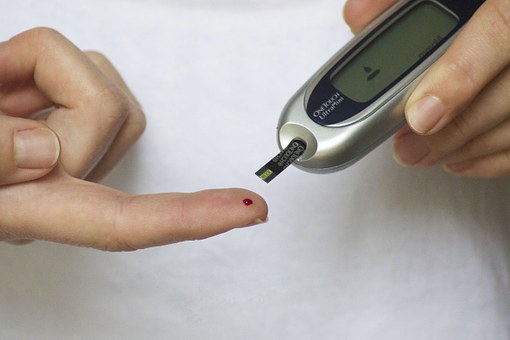
Diabetes mellitus is a disease of either inadequate production of, or impaired response to insulin resulting in abnormal metabolism of carbohydrates and elevated levels of glucose in the blood. In simple language that means that insulin is either not being produced or not working to transport glucose into the cell.
ALSO READ : Turning the Tide – Which carbs are not the enemy?
There are basically two types of diabetes mellitus.
Type 1 diabetes:
The Islets of Langerhans are responsible for sensing rising glucose levels in the blood and producing and excreting appropriate amounts of insulin. The most common cause of this is an auto-immune destruction of these islet cells. The body manufactures antibodies against a foreign protein that then results in damage to a similar protein within the body (the body fighting against itself). It has been accepted that there are also genetic predispositions to this condition. Increasing evidence is pointing to a particular protein A1 beta-casein found in milk obtained from cows originating from Europe with a specific genetic defect, (which happens to be the source of most of the dairy products we consume) that may be the trigger, but this is still controversial.
Because type 1 diabetes is caused by insulin insufficiency, the only way to control this is by taking regular insulin injections – thus the reason it is often called insulin-dependent diabetes.
Type 2 diabetes:
This is by far the most common form of diabetes, and traditionally occurs in older people, but as the iprevalence of obesity in younger people is increasing, it is occurring at younger and younger ages. It is basically caused by insulin resistance. That is a fancy way to say the muscle and liver cells do not respond to normal levels of insulin any more, produced in response to rising blood sugar levels. Thus the insulin levels are produced in ever higher amounts to try to force these cells to allow blood sugar into the cells.
Blood sugar levels also begin to rise, eventually to the levels where diabetes is diagnosed. With the passage of time and the ever greater demands upon the pancreas, these Islet cells eventually give up and insulin production fails.
At that stage, the only way to treat this type of advanced diabetes then becomes the use of insulin, together with the other oral diabetic medications.
What is Insulin Resistance
It is vitally important in order to manage diabetes to understand insulin resistance. This is the key to both prevention as well as control and reversal of diabetes.
Many doctors and health workers claim the problem is “carbs” – excess amount of sugar-producing foods which increases the blood sugar, and thus the increased demand for insulin to process that sugar. They then advocate a diet that is low in all carbohydrates. This is based on the ketogenic/Atkins/Banting philosophy. And certainly if you cut way back on carbs your blood sugar will drop. But this is not curing the problem. It is just starving the system of carbohydrates.
If you have a leaking tap in your kitchen, that won’t stop leaking no matter how tight you turn the handle, you can do one of two things to stop the leak. You could go out to your mains water supply and turn off the stop-cock. That will instantly stop the leak, but the problem you now face s that you then can’t access any water for your household needs. The other way to stop the leak is to go to the plumbers and purchase a new washer, open the tap and replace it. Hey presto. You have solved the leak, but also now can access water at will.
Using a ketogenic diet to stop insulin resistance and diabetes is like turning off the mains. It doesn’t actually cure the source of the problem. So what is the source of the problem?
Already back in 1960 researchers were identifying high fat intake as a precursor to insulin resistance. Around 2003 studies using Magnetic Resonance Spectroscopy showed that globules of fat in muscle and liver cells increased insulin resistance. So a ketogenic diet which is high in fat, and particularly saturated fat actually increases insulin resistance. It is only because the body is deprived of glucose that the blood sugar levels don’t go up. But if you were to give somebody on a ketogenic diet a banana to eat, their sugar levels would shoot up to the ceiling, proving that “The tap is still leaking” – you haven’t solved the problem of insulin resistance and distorted carbohydrate metabolism.
Another very effective way of reversing insulin resistance, and thus diabetes, is to cut way back on fat intake. This reduces the inhibition of the insulin receptors in the muscle and liver cells, and increases insulin sensitivity of the cells. This method is so effective that your insulin resistance can start to reverse within 24 hours after cutting way down on fat intake. Exercise also burns up the fat globules quickly to further speed up the reversal of insulin resistance.
Here is an interesting personal testimony. And here are a whole lot of success stories.
Next week we will begin to look at some of the long term complications of diabetes and how these can be prevented and in most cases even reversed. These include complications like fatty liver, atherosclerosis and heart disease,, strokes, peripheral neuropathy, diabetic retinopathy, diabetic renal failure and Alzheimer’s disease.
I hope you will have a chance to view some of the success stories.
See you again next week. Please share your comments – either positive or negative below if you find these blogs helpful or controversial.
I value feedback. If you would like a more personal discussion, you can phone my rooms at 0396821414 and leave your details and I will get back to you.
Dave Glass
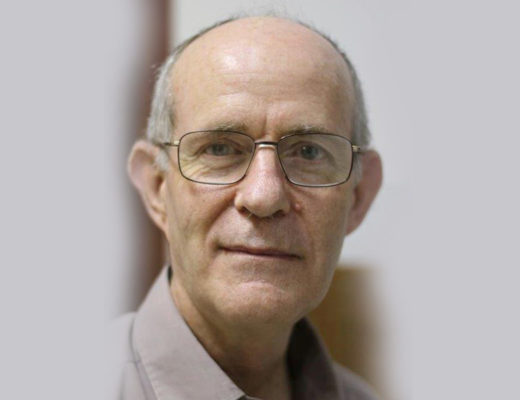 Dr David Glass graduated from UCT in 1975. He spent the next 12 years working at a mission hospital in Lesotho, where much of his work involved health education and interventions to improve health, aside from the normal busy clinical work of an under-resourced mission hospital.
He returned to UCT in 1990 to specialise in obstetrics/gynaecology and then moved to the South Coast where he had the privilege of, amongst other things, ushering 7000 babies into the world. He no longer delivers babies but is still very clinically active in gynaecology.
An old passion, preventive health care, has now replaced the obstetrics side of his work. He is eager to share insights he has gathered over the years on how to prevent and reverse so many of the modern scourges of lifestyle – obesity, diabetes, ischaemic heart disease, high blood pressure, arthritis, common cancers, etc.
He is a family man, with a supportive wife, and two grown children, and four beautiful grandchildren. His hobbies include walking, cycling, vegetable gardening, bird-watching, travelling and writing. He is active in community health outreach and deeply involved in church activities. He enjoys teaching and sharing information.
HAVE YOUR SAY
Like our Facebook page, follow us on Twitter and Instagram