Baby dolls suddenly grew up
On March 9, 1959, the first Barbie doll goes on display at the American Toy Fair in New York City.
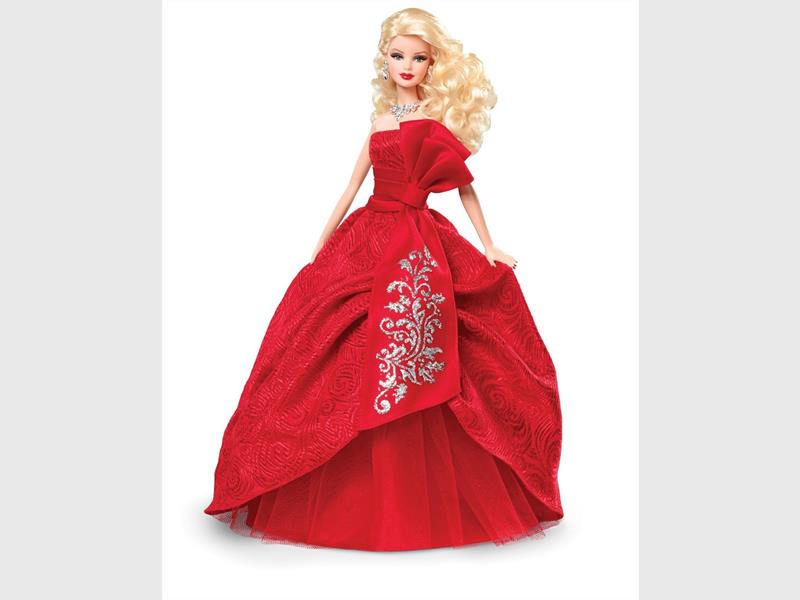
ELEVEN inches tall, with a waterfall of blond hair, Barbie was the first mass-produced toy doll in the United States with adult features. The woman behind Barbie was Ruth Handler, who co-founded Mattel, Inc. with her husband in 1945.
After seeing her young daughter ignore her baby dolls to play make-believe with paper dolls of adult women, Mrs Handler realised there was an important niche in the market for a toy that allowed little girls to imagine the future.
Barbie’s appearance was modelled on a doll named Lilli, based on a German comic strip character. Originally marketed as a racy gag gift to adult men in tobacco shops, the Lilli doll later became extremely popular with children. Mattel bought the rights to Lilli and made its own version, which Mrs Handler named after her daughter, Barbara.
With its sponsorship of the ‘Mickey Mouse Club’ TV programme in 1955, Mattel became the first toy company to broadcast commercials to children. They used this medium to promote their new toy, and by 1961, the enormous consumer demand for the doll led Mattel to release a boyfriend for Barbie. Mrs Handler named him Ken, after her son. Barbie’s best friend, Midge, came out in 1963; her little sister, Skipper, debuted the following year.
Over the years, Barbie generated huge sales – and a lot of controversy. On the positive side, many women saw Barbie as providing an alternative to traditional 1950s gender roles. She has had a series of different jobs, from airline stewardess, doctor, pilot and astronaut to Olympic athlete and even US presidential candidate.
Others thought Barbie’s never-ending supply of designer outfits, cars and ‘Dream Houses’ encouraged children to be materialistic.It was Barbie’s appearance that caused the most controversy, however. Her tiny waist and enormous breasts – it was estimated that if she were a real woman, her measurements would be 36-18-38–led many to claim that Barbie provided little girls with an unrealistic and harmful example and fostered negative body image.
Despite the criticism, sales of Barbie-related merchandise continued to soar, topping 1-billion dollars annually by 1993. Since 1959, more than 800 million dolls in the Barbie family have been sold around the world and Barbie is now a bona fide global icon.
HAVE YOUR SAY
Like our Facebook page, follow us on Twitter and Instagram
For news straight to your phone, add us on BBM 58F3D7A7 or WhatsApp 082 421 6033