Good night, sleep tight, don’t let the bed bugs bite!
10 steps to take when declaring war on bed bugs.
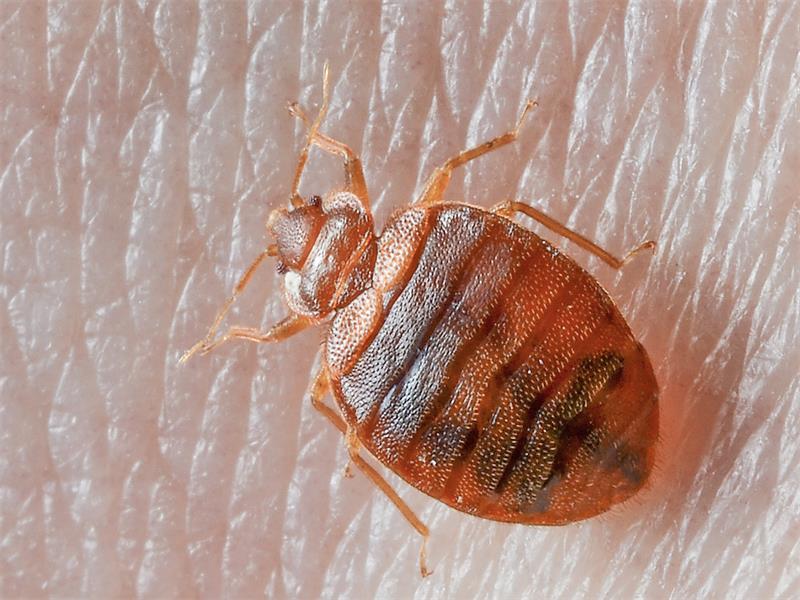
THE discovery of DDT in the mid-1900s might have slowed down these insect pests long enough for current generations to forget about them, but today, thanks to the bed bug’s growing tolerance to pesticides, more and more people are discovering that they’ve been overrun by these tiny home invaders.
Bed bugs are small, flat, reddish-brown insects that grow to about 5 mm in length.
Bed bugs spread by stowing away in clothing, baggage and other belongings, hitching rides to your home when you return from the shops, the office, school, or that recent hotel stay.
And don’t think that having a clean home makes you immune from the threat; bed bugs are equally happy in clean homes as dirty ones and have even been found in brand new mattresses.
Once through the door, bed bugs rapidly set up home in cracks and crevices. The seams of mattresses, bed bases and behind headboards are favourite hiding places, allowing them to have close proximity to their food.
Come nightfall and your insect invaders will head out on raids with one target in mind: you and your family. These little blood suckers feed exclusively on human blood and they do it on the sly, at night, when you are asleep and truly at their mercy. After feasting for several minutes, they crawl back to their hiding places, engorged and undetected.
If left to their own devices, bed bugs will put their hitch-hiking skills to good use to expand their territory, travelling from room to room throughout your house, making new homes in your couches, carpets and cupboards.
Usually the first sign you’ll have of a bed bug infestation is when you wake up to those first itchy red welts on your exposed skin, often in small clusters or a rough line.
Since bed bugs aren’t the only insects responsible for bites, don’t raise the alarm until you’ve carried out a thorough inspection for more evidence.
Take a close look at the nooks and crannies around beds. Telltale signs of bed bugs, other than seeing the actual bugs themselves, are blood spots on sheets and pillows; dark brown or black smears of bug excrement; little piles of droppings on hard surfaces; egg shells and shed skins and a musty, unpleasant smell.
A verdict of bed bugs does not mean you need to drag out all your beds and set fire to them. Here are 10 steps to take when declaring war on bed bugs.
1 Clean the bed bugs’ hiding places. Wash bedding, curtains and clothing on the hottest wash possible and dry them on high in the tumble dryer for at least 30 minutes.
2 Anything that can’t be washed, like shoes or stuffed animals, should be put into a pillow case and tumble-dried on high for at least 30 minutes.
3 Dry-scrub the affected mattress with a stiff brush, working into the seams to remove the bugs and their eggs.
4 Check the base set, lifting up the fabric cover to check that bugs are not living within the wooden frame.
5 Vacuum the mattress, base set and carpet thoroughly. Discard the vacuum cleaner contents in a sealed bag in your outside rubbish.
6 Inspect the rest of the affected room carefully. Bed bugs have been known to set up home in beds piled beside the bed, in and under bedside tables, in bedside lamps, under rugs and in plug outlets. They may also have spread to your cupboards.
7 Encase mattresses in a bed bug cover, such as the Buglock Plus from Protect-a-Bed, to kill any bugs within the mattress and prevent future infestations. The Buglock Plus cover uses a patented three-sided zipper system to encase the mattress completely in an impenetrable barrier that ensures current bugs cannot leave the mattress to feed and new bed bugs cannot enter the mattress to breed. A mattress encasement cover should be left on for at least a year after an infestation to ensure any lingering insects are dead, since bed bugs can survive for several months without feeding.
8 Repair any cracks in the walls and fill gaps around skirting boards to minimise the places where bed bugs can hide. For the same reason, remove clutter scattered about the room and especially under the bed.
9 Total eradication of bed bugs usually requires treatment with an insecticide. If going the DIY route, be sure to use only products which are made specifically for the extermination of bed bugs, or for use on bedding and mattresses. Always follow the safety instructions carefully.
10 If DIY measures don’t do the trick, contact a pest control company to rid your home of the scourge.
(Information from Protect-A-Bed® South Africa)
HAVE YOUR SAY
Like our Facebook page, follow us on Twitter and Instagram
For news straight to your phone, add us on BBM 58F3D7A7 or WhatsApp 082 421 6033