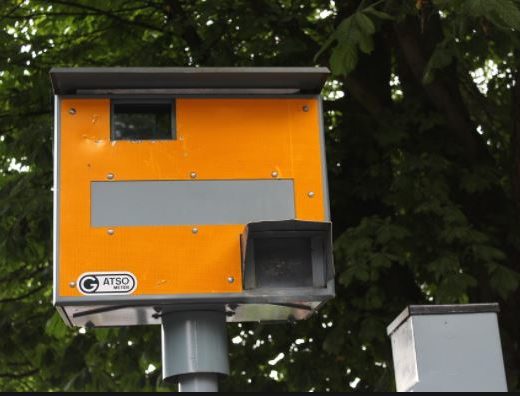
TRAFFIC fines are one of life’s bullets that people would do almost anything to dodge.
According to Caxton’s Lowvelder website, this is what you need to know:
There are different types of speed cameras, each with their own legal and procedural requirements.
The hand-held ProLaser camera is operated by hand. The operator will flag down the speeding motorist and give the driver the opportunity to verify the speed as recorded on the camera.
The article points out that it is important to note that no warning sign needs to be erected at places where speed is monitored with these devices.
The operator must issue a ticket on the spot which instructs the driver to pay, or to appear in court on a specific date. If the driver fails to pay within the stipulated time period or does not appear in court on the appointed date, a warrant for his arrest may be issued.
Drivers may also write to the relevant traffic department explaining why they feel they were fined unfairly. This must be submitted to the department two weeks before the payment date of the ticket.
The Trucam is a slightly larger camera on a tripod that is capable of functioning on its own. Many wrongly believe that these cameras must be manned and positioned where they are clearly visible to road users, but this is not the case.
HAVE YOUR SAY
For news straight to your phone, add us on BBM 58F3D7A7 or WhatsApp 082 421 6033
At Caxton, we employ humans to generate daily fresh news, not AI intervention. Happy reading!
Support local journalism
Add The Citizen as a preferred source to see more from South Coast Herald in Google News and Top Stories.
Fundiswa Mzobe
Fundiswa Mzobe works as a journalist covering various beats. She started her Caxton career with Ugu Eyethu more than 10 years ago, then went on to work as a digital assistant on the Herald website. She has now progressed to being an out-and-out reporter, with a particular focus on council, crime and political issues. Before that she worked as a radio journalist for a short period of time.