
6 Most commonly-diagnosed eye conditions
Early diagnosis and treatment of eye and vision problems can help prevent vision loss.
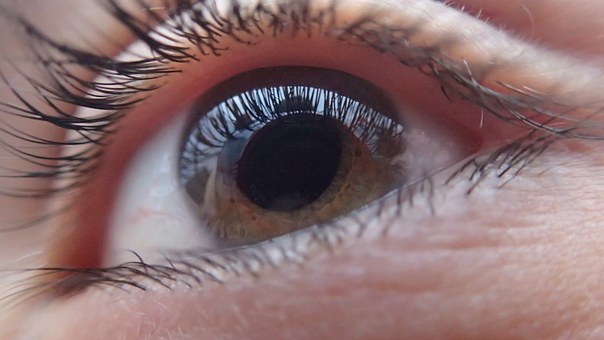
Your eyes are an essential part of your everyday life. Knowledge of the conditions that affect eye health is imperative for a proactive and preventative health routine, and ensuring you always see your best.
Good eyesight plays a pivotal role in your well-being and is a significant factor in safety, retaining independence, and maintaining a good quality of life as we get older.
YOU MIGHT ALSO BE INTERESTED IN: How to know when its time to have your eyes tested
Unfortunately, people often ignore early signs of vision problems, hoping their eyesight will miraculously clear up, which rarely happens. When you are young, it’s easy to take your eyes for granted but being aware of eye conditions is important.
Early diagnosis of eye problems, followed by professional treatment, can either help preserve or improve your vision.
Six of the most commonly diagnosed eye conditions include:
- Cataracts
Cataracts are caused by proteins clumping together through the aging process, which cause the lens to turn from clear to cloudy over time. A cataract starts out small and, at first, has little effect on your vision, but eventually clouds the lens and makes seeing nearly impossible. Cataracts will not go away on their own but will continually worsen. Everyone is at risk, and the only treatment option is surgery. Cataracts are the most common cause of vision loss in people over age 40, and are the leading cause of blindness in the world. In fact, there are more cases of cataracts worldwide than there are of glaucoma, macular degeneration and diabetic retinopathy combined, according to Prevent Blindness America.
- Refractive Errors
When light passes through the cornea and the lens, it is bent – or refracted – to form the images we see. If that refraction is skewed, vision suffers. The most common reasons people wear glasses or contacts, including near-sightedness, far-sightedness and astigmatism, are caused by refractive errors.
* Far-sightedness, also known as hyperopia, is a condition where you can easily see things far away, but your close-up vision is blurry.
* Near-sightedness, or myopia, means you are able to see close-up objects, while faraway objects look blurry.
* Astigmatism is a common eye condition that is caused by an error in the shape of the cornea which causes distorted, fuzzy, or blurry vision.
* Presbyopia, a condition that causes your eye to slowly lose the ability to focus on close-up objects, is also a refractive error that is a natural part of the aging process.
- Diabetic Retinopathy
Retinopathy is the most common diabetic eye disease. It occurs when high blood sugar levels damage blood vessels in the retina (light-sensitive layer at the back of the eye), causing swelling and scar tissue, which may lead to the retina detaching and subsequent severe, irreversible vision loss. People with diabetes should have annual eye exams including retinopathy screenings.
- Macular degeneration
The macular is the part of the retina that allows you to see fine details. It can degenerate with age, causing everything from hazy vision to complete loss of central vision. Little can be done to improve vision once someone has age-related macular degeneration, but catching it early can slow its progress.
- Glaucoma
Glaucoma is an eye disease that damages the optic nerve, which is the nerve responsible for sending light images from the retina to the brain. In most cases, the condition develops when too much pressure builds up inside the eye. This disease can lead to serious vision loss or blindness and rarely shows symptoms in the early stages. By the time you notice any symptoms – usually blind spots in peripheral vision – optic nerve damage is severe. This makes regular eye examinations by an eye care professional important.
- Dry Eyes
This occurs when your eyes do not produce enough tears to keep your eyes moist. The prevalence of dry eye syndrome increases with age. Some medications and medical conditions can cause dry eyes, as can working long hours in front of a computer or in a dry environment. Symptoms may include blurred vision, contact lens discomfort, excessive tearing, eye fatigue and irritation, feeling like something is in the eye, itching, redness, and light sensitivity.
YOU MIGHT ALSO BE INTERESTED IN: 8 Things you can do to de-stress your eyes
Get tested regularly
Regular eye examinations by an eye care professional are important. Most eye care experts recommend that you have a comprehensive eye exam every one to two years, depending on your age, risk factors and whether you currently wear corrective lenses. Eye and vision examinations are an important part of preventive healthcare as many eye problems have no obvious signs or symptoms.
Early diagnosis and treatment of eye and vision problems can help prevent vision loss. If you are at risk for eye problems, such as diabetes, high blood pressure or a family history of eye disease, you may need more frequent exams. It’s a good idea to make sure that your medical aid scheme covers eye care, including tests, glasses, contacts, and surgery, especially as you age.
HAVE YOUR SAY
Like the South Coast Herald’s Facebook page, follow us on Twitter and Instagram
For news straight to your phone, add us on BBM 58F3D7A7 or WhatsApp 082 421 6033



