Leopard selfies aid iSimangaliso researchers
Smile, you're on camera - as long as the elephants don't mind.
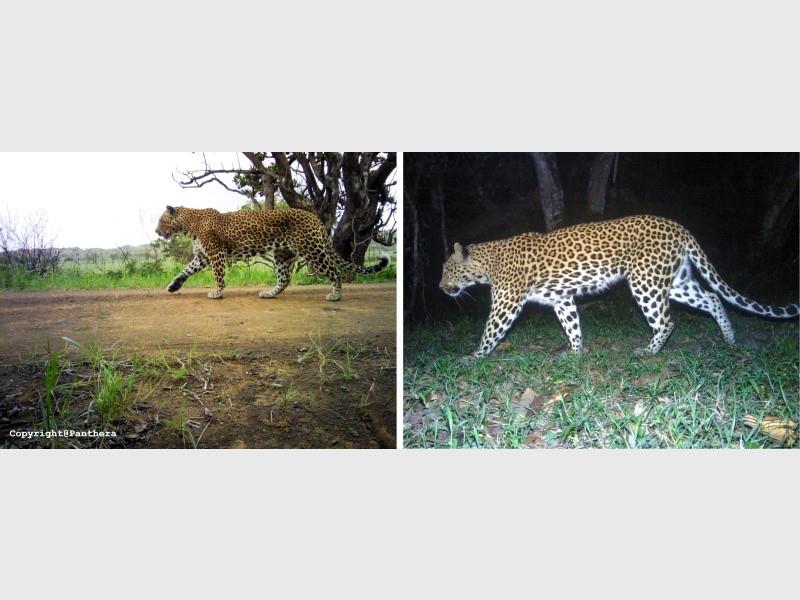
RESEARCH, both social and natural, is a vital component of the management functions at iSimangaliso Wetland Park.
In fact by the end of last year the World Heritage Site boasted 130 registered projects dealing with all sorts of subjects right across the marine, terrestrial and social spectrum.
YOU MIGHT ALSO BE INTERESTED IN : National Water Week: iSimangaliso Wetland park one of 22 Ramsar sites
One of these is the annual Panthera Leopard Survey, started in 2015 and run by Dr Guy Balme in collaboration with the iSimangaliso Wetland Park, Ezemvelo KZN Wildlife and Wildlife ACT. The fourth annual survey is now well underway on the Eastern Shores section of the wetland park.
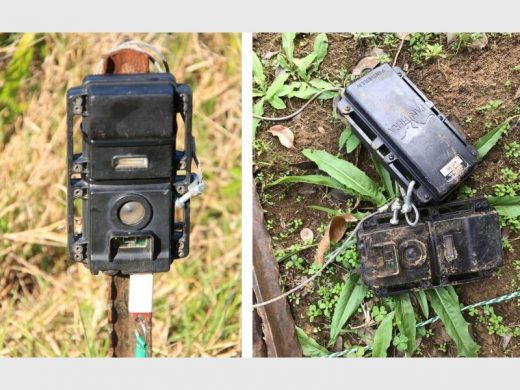
It incorporates the use of camera traps located at strategic points and well-used ‘animal highways’ in the park. Thousands of images are collected through the automatic triggering of the high quality, custom-built cameras that are placed on either side a road or track to obtain visuals of animals from both sides.
Such material is extremely useful in revealing the unique patterns and characteristics of each animal, enabling researchers to identify the individual animals and draw conclusions about behaviour and range.
The collation and comparison of images of leopards (Panthera pardus) has resulted in a comprehensive identikit of individual leopards on the Eastern Shores section of iSimangaliso.
iSimangaliso’s manager of development and planning, Nerosha Govender, said that little was known about leopards, animals that although resilient had suffered a significant reduction in abundance and range.
The iSimangaliso project was part of the South African leopard monitoring program, a joint venture between Panthera, SANBI, and provincial conservation authorities.
It tracked the status of key leopard populations around the country in order to identify threats as well as to understand the drivers of leopard population change.
The results from Panthera’s Leopard Project had already informed a number of policy changes that had benefitted the regional leopard population.
According to Dr Balme , a total of 82 camera traps at 41 camera stations, were currently deployed throughout the reserve. The Panthera camera traps continued to capture valuable leopard population density and demographic data. The additional priority species data captured by the camera traps informed reserve management decisions, and were a notable bonus when analysing data.
Wildlife ACT Leopard Survey Monitor Thandiwe Knutson is responsible for the Eastern Shores data collection. Every three weeks she heads out into the field to download the images, check the cameras and process the resultant data.
Over the years the cameras have picked up a number of fascinating ‘animal selfies’. Even on of the park’s most elusive resident, the nocturnal aardvark, has made a celebrity appearance. Next time you visit iSimangaliso look out for these cameras, attached to poles and trees. They are vital pieces of monitoring equipment that help the authorities to learn more about their park and its residents.
HAVE YOUR SAY
Like our Facebook page, follow us on Twitter and Instagram
For news straight to your phone, add us on BBM 58F3D7A7 or WhatsApp 082 421 6033