June 10: On This Day in World History … briefly
Interesting historic snippets and facts taken from the book ‘On This Day’ first published in 1992 by Octopus Publishing Group Ltd, London.

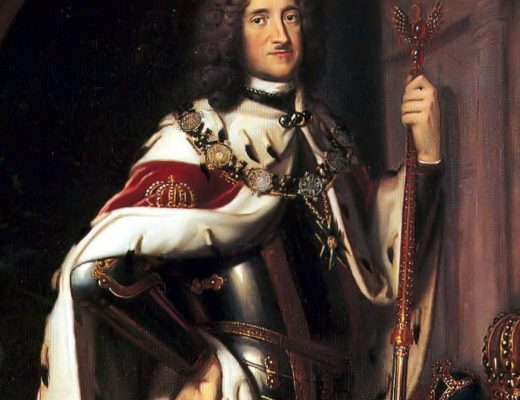
1190: Holy Roman Emperor Frederick I, who spearheaded the Third Crusade, was drowned in a river on his way to the Holy Land.
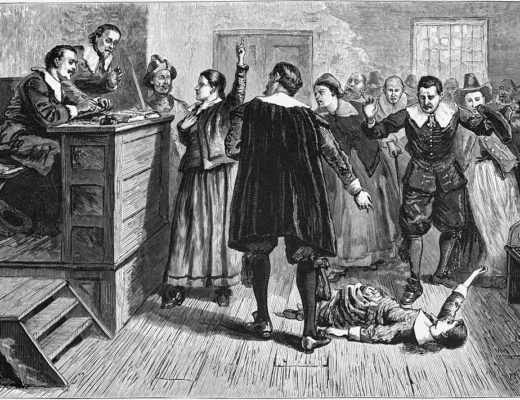
1692: In the climate of fear that possessed the Massachusetts town of Salem, an ominous trial was taking place – and the first hangings happened on this day. The women hanged had been found guilty of witchcraft, the first victims of a witch hunt of such a terrifying scale that no woman could consider herself safe. It all began when certain young girls from the area, after listening to voodoo tales of a West Indian slave, Tituba, claimed that they were possessed by the Devil. The girls accused three women, including Tituba herself, of witchcraft and the hunt was on. Accusations were flying and there was even talk implicating the wife of Governor William Phips. In the wake of the accusations, a special court presided over by judges Samuel Sewell, John Hathorne and William Stoughton, was set up to investigate the affair. Although the court was a civil one, it had the full backing of the clergy.
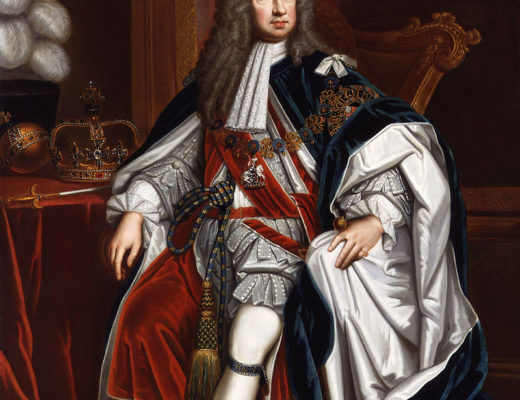
1727: King George I of England dies in Osnabrück.
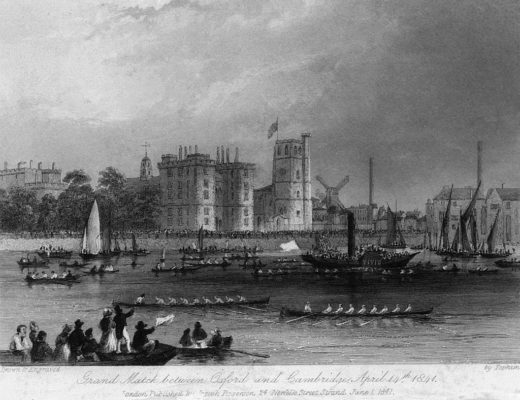
1829: The rivalry between England two most prestigious universities, Oxford and Cambridge, took to the water for the first time. Two eight-man crews raced each other along the River Thames at Henley in south-east England in a contest of rowing power, nicknamed simply ‘The Boat Race’.
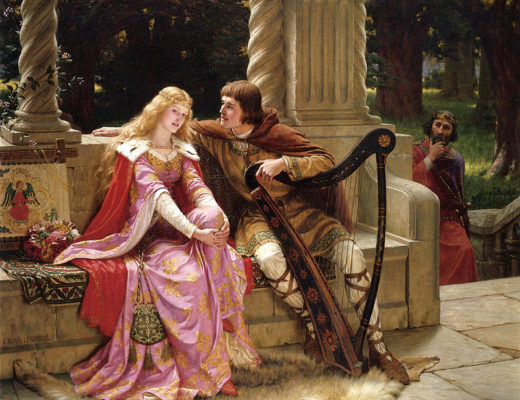
1865: ‘Tristan and Isolde’, a work once regarded as too revolutionary to perform, received its first airing at the Munich Opera House. Composed by Richard Wagner between 1857 and 1859, the three-act opera is based on a traditional English tale of lost love (life blends with legend in much of Wagner’s work). In Tristan’s obsession there are strong echoes of the composer’s own hopeless love for Mathilde Wesendonk, wife of his former patron, that led to the break-up of his marriage. And in the miraculous discovery of a new patron, the young King Ludwig II of Bavaria, Wagner had his own knight in shining armour. Aged 51, penniless and facing financial ruin, Wagner was rescued by the King, who set him up in a villa, invited him to complete the unfinished Ring series and enabled Tristan to be performed today.
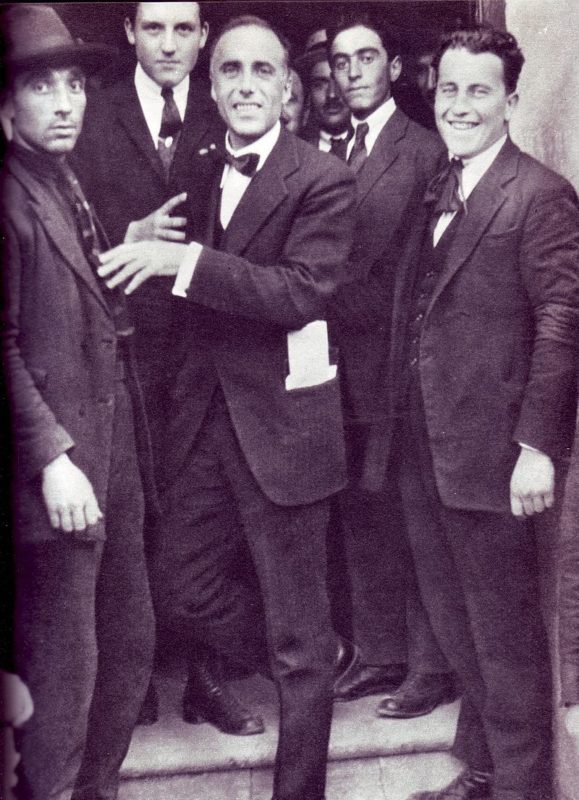
1924: Italian socialist leader Giacomo Matteotti is assassinated by Mussolini’s fascists.
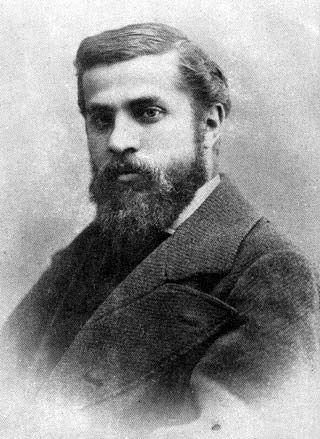
1926: Death of Spanish architect Antonio Gaudi y Cornet, who worked exclusively in Barcelona where his church of the Sagrada Familia is his best-known building.
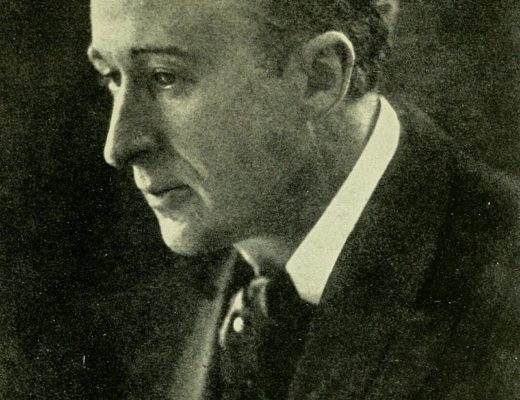
1934: British composer Frederick Delius dies in France, leaving work such as ‘On Hearing the First Cuckoo in Spring’, ‘Appalachia’ and ‘A Village Romeo and Juliet’ as his memorial.
1965: A British European Airways de Havilland jet airliner flying from Paris to London makes the first landing by automatic control.
1983: Margaret Thatcher’s Conservative Party wins the British elections.
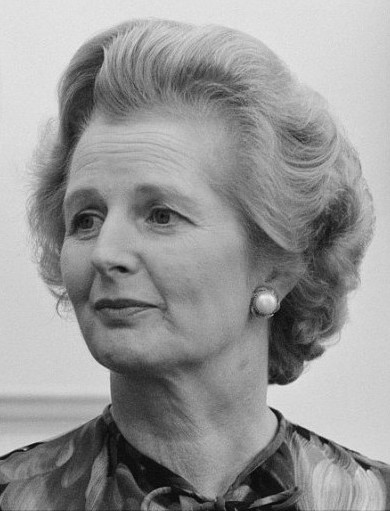
1986: Irish pop singer Bob Geldof and American philanthropist John Paul Getty II are given honorary knighthoods by Queen Elizabeth II.

1991: A mass evacuation of 14 500 US personnel takes place at Clark Air Base in the Philippines after Mount Pinatubo erupts, raining a shower of ash and volcanic debris over the surrounding area. The volcano was thought to be dormant. US spokesman Lt Col Ron Rand confirmed that the evacuees were driven to the US naval base at Subic Bay, 30 miles (48km) to the south-west. There were a total of 40 000 US personnel in the Philippines, half of whom were stationed at Clark Air Base.

HAVE YOUR SAY
Like our Facebook page, follow us on Twitter and Instagram
For news straight to your phone, add us on BBM 58F3D7A7 or WhatsApp 082 421 6033