Vultures – fascinating facts about these misunderstood raptors
Although they often receive bad press, vultures provide us with important services.
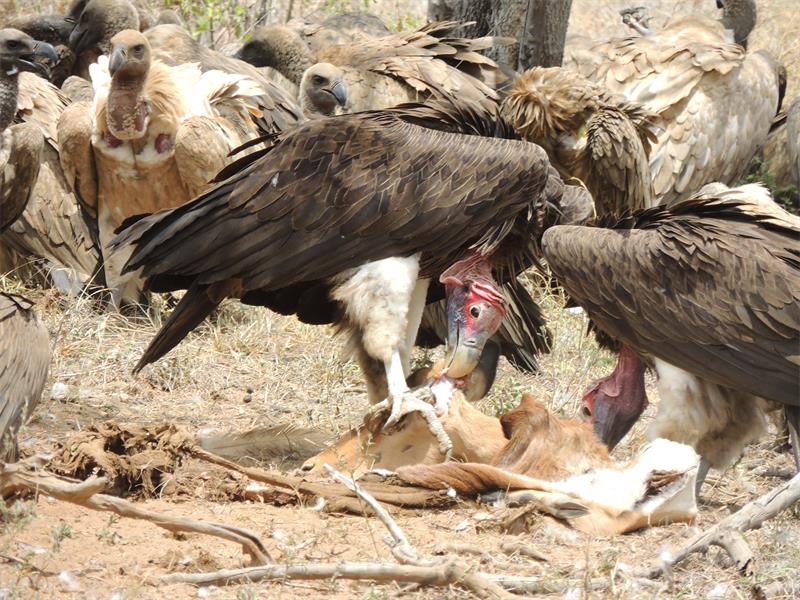
AS nature’s clean-up squad, vultures have a vital environmental role to play, clearing up carcasses and helping to prevent the spread of disease.
However, organisations like the Vulture Conservation Programme (VulPro) are sounding the alarm about their future.
ALSO READ : Notes on our heavenly singing, dancing birds
“Today, vultures face an unprecedented onslaught from human activities. They have to cope with electrocutions and collisions with electrical structures, poisonings, land-use changes, a decrease in food availability and exposure to toxicity through veterinary drugs, to list just a few of some of the challenges facing vultures today,” according to VulPro.
Generally, these amazing raptors have received bad press because of their scavenging nature but they are fascinating creatures, each species inhabiting its unique niche in the food chain as they perform their much-need clean-up operations.
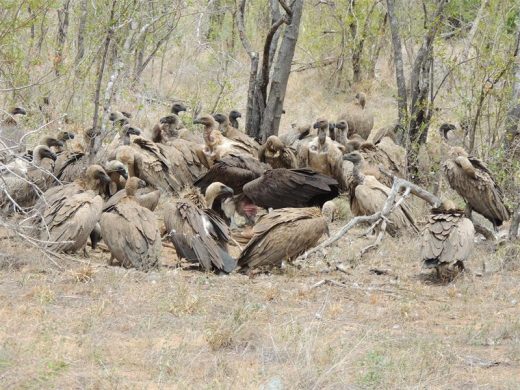
The best way to find them when you visit a game reserve is to look out for a recent kill. Vultures spend much of their time high in the sky riding the thermals and using their amazingly sharp eyes to look for a kill. When they spot one they descend rapidly, sometimes waiting patiently in a tree for the mammal predators to move off. Watching them working on a carcass is fascinating. You will quickly notice they are a rather quarrelsome bunch but they have voracious appetites and it is amazing to see how quickly they can strip the carcass.
You can also look for vultures along sandy river banks. They do enjoy their communal bath times – particularly after gorging themselves at a kill. They like to finish with a spot of sunbathing on the sand.
Here are some facts about these amazing birds:
* Vultures are large to very large, robust raptors, generally known for their scavenging habits. They are strong fliers and are able to soar at great heights.
* They are rather bald birds, their heads and necks covered with short, sparse feathers.
* Nine vultures occur in Southern Africa – The bearded vulture, palm-nut vulture, Egyptian vulture, hooded vulture, white-headed vulture, lappet-faced vulture, white-backed vulture. Ruppell’s vulture and the Cape vulture.
* The white-backed vultures are the ones you are most likely to see when you visit South African game reserves.
These gregarious birds are particularly plentiful in savanna and dry open woodland and are often the most common species at a kill. They tend to eat the soft flesh and intestines of large mammals.
* Rather handsome creatures, white-headed vultures are not often seen in game reserves. Often they are first at a kill but tend to be pushed aside by the bigger vultures. They like to eat dropped scraps. Insects are also an important source of nutrition for them. They prefer areas where baobabs and large acacia trees provide good nesting sites.
* At a kill the lappet-faced vultures are the big bully boys. They have huge beaks that can tear through the hide and open up a carcass. With their big bills they are also able to feast on the tougher parts. Often they are plentiful in our more arid parks.
* The shy, rather dainty hooded vultures have delicate beaks that can pick off the small pieces of meat left on the bones by the other vultures. They are not often seen in southern African game parks. Look for them in well-developed woodland and savanna.
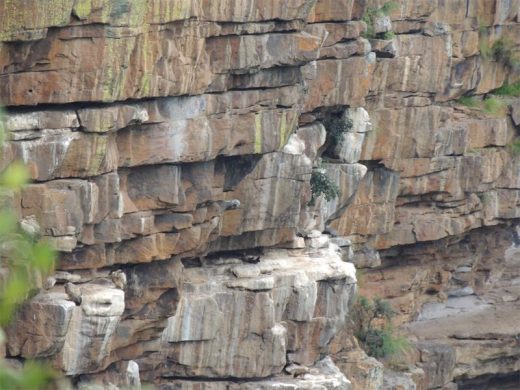
* Cape vultures are rather special birds as they are endemic to southern Africa. They are huge birds – in fact they are the third heaviest flying birds in the world. These beautiful raptors are found in mountainous country where they nest colonially on cliffs. Youngsters often wander far afield while adults prefer to remain at home with the rest of their colony.
* Sightings of Egyptian vultures are very rare in southern Africa, although there have been recent sightings of one in Kruger National Park. The large, pale vultures have long, thin beaks, orangey faces and dull red eyes. They feed on carrion, insects, refuse and dung.
* A rare vagrant to southern Africa is Ruppell’s Vulture. Like the Cape vulture they are dwellers of mountainous country in western and eastern Africa, where they are better known.
* The palm-nut vulture is a striking black and white raptor that is very different to most other vultures in that they have a rather more vegetarian diet. In the rest of Africa they feed on the oil palm but here in southern Africa they eat the fruit of the protein-rich raffia palm. They also do a little fishing – in some countries this bird is called the vulturine fish eagle – and they like molluscs, crabs, small mammal, birds, grain, dates and seeds.
* Perhaps the most striking of all our vultures is our gorgeous and endangered bearded vulture, dweller of high places. Look for this rare raptor in the Drakensberg and Lesotho. Its black face mask and ‘beard’ make it easy to identify. It was once known as the lammergeyer because of the mistaken belief that it used to catch lambs. This is not so. The bearded vulture drops bones onto flat rocks to break them open and to get at the marrow, its favourite food. It also eats scraps of meat, skins and bone.
Resources: Roberts’ Birds of southern Africa.
Raptor Guide of southern Africa by Ulrich Operprieler.
VulPro website.
HAVE YOUR SAY
Like our Facebook page, follow us on Twitter and Instagram
For news straight to your phone, add us on WhatsApp 082 421 6033