
Bringing hope to our vultures
Cape vultures are classified as globally endangered with fewer than 42 000 breeding pairs left.
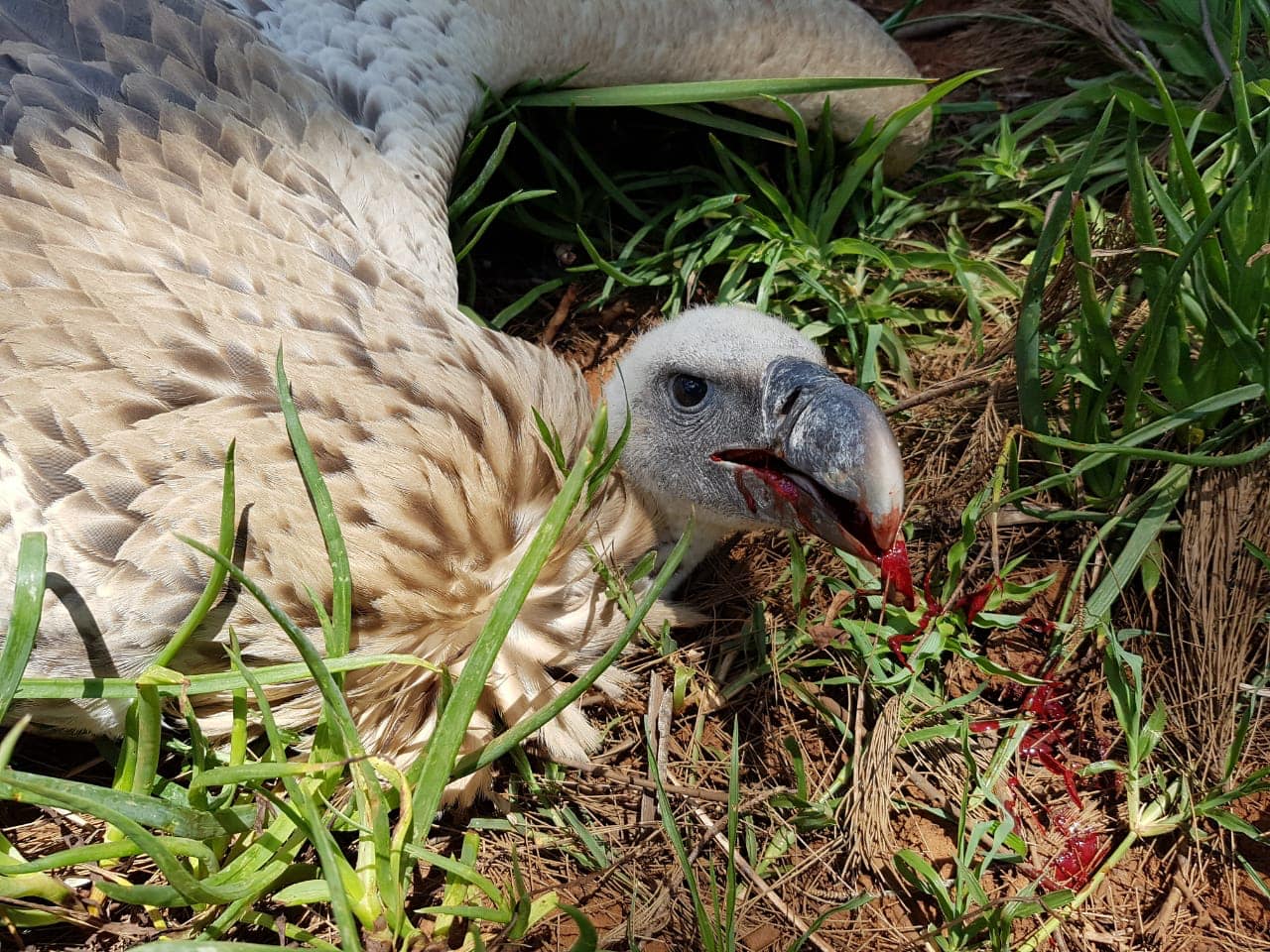
NON-profit organisation VulPro has been working to safeguard Africa’s vulture population through research and rehabilitation.
During December 2018 and the start of January this year, a high number of rehab cases were logged. Most of these cases have coincided with the fledgling stages of the endemic Cape Vulture (Gyps coprotheres) and African White-backed (Gyps africanus) vulture species. In December, 23 vultures were brought in to the organisation for treatment for either dehydration, starvation and or calcium deficient injuries.
ALSO READ : Vultures – fascinating facts about these misunderstood raptors
In the first six days of January, 13 birds were brought in which indicated that things were getting worse. Most of these birds are actually fledglings that have either left their nest too early or have not had sufficient calcium in their diet which when combined with extreme climatical conditions has taken a toll on both species.
“For our team, it has been physically exhausting and emotionally draining requiring long hours on the roads to fetch grounded birds and many hours treating, rehydrating and feeding these birds 24 hours a day,” said Kerri Wolter, founder and manager of VulPro, “Some have come in with broken and bent bones and dislocated joints which is a sure sign of calcium deficiency. Some we have sadly not been able to pull through. This too has stretched our manpower resources, however, we have a responsibility internationally to safeguard African vultures and will continue to do so.”
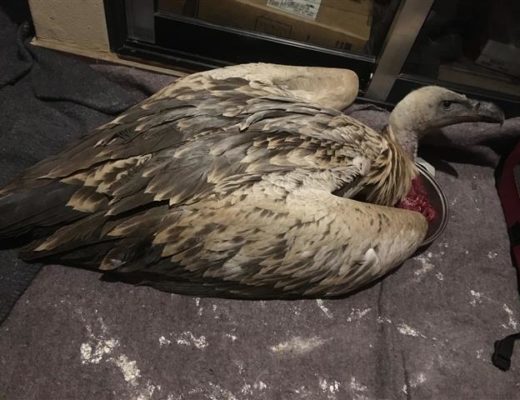
Cape vultures are classified as globally endangered with fewer than 42 000 breeding pairs left. The African White-backed vulture has now been uplisted from endangered to critically endangered. These vultures are typically slow breeding, only reaching maturity between five and seven years of age and lay one egg a year.
The fledglings tend to leave the nest towards the end of November and beginning of December. As the country experiences more extreme weather conditions with temperatures rising beyond the norm, it has started to take a toll on the fledglings.
A number of these birds are now being found out of their habitat due to changing weather conditions and are spotted in places such as urban areas, highways or even on busy national roads.
They’re normally found dehydrated, disorientated and have probably gone days without food. If not assisted, they will die. “Lack of water and food is the prime cause for this environmental collapse of these vulture populations,” explained Kerri.
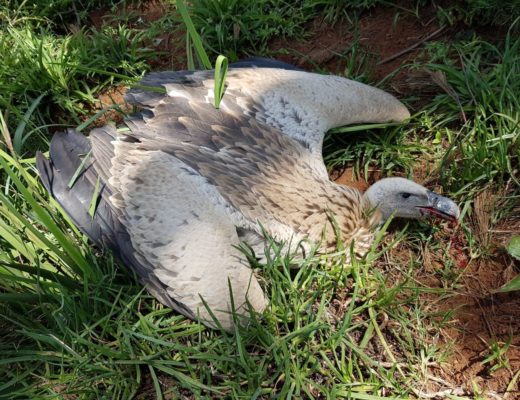
Only a handful of these birds are being collected or found in areas where food supply and water is still sufficient.
Should members of the public see or find vultures that are grounded, disorientated or injured please contact VulPro at 082 8085113.
Source: VulPro.
HAVE YOUR SAY
Like our Facebook page, follow us on Twitter and Instagram
For news straight to your phone, add us on WhatsApp 082 421 6033



