Bee stings – the dos and don’ts
Some people are allergic to the protein in the venom the bee’s sting injects.
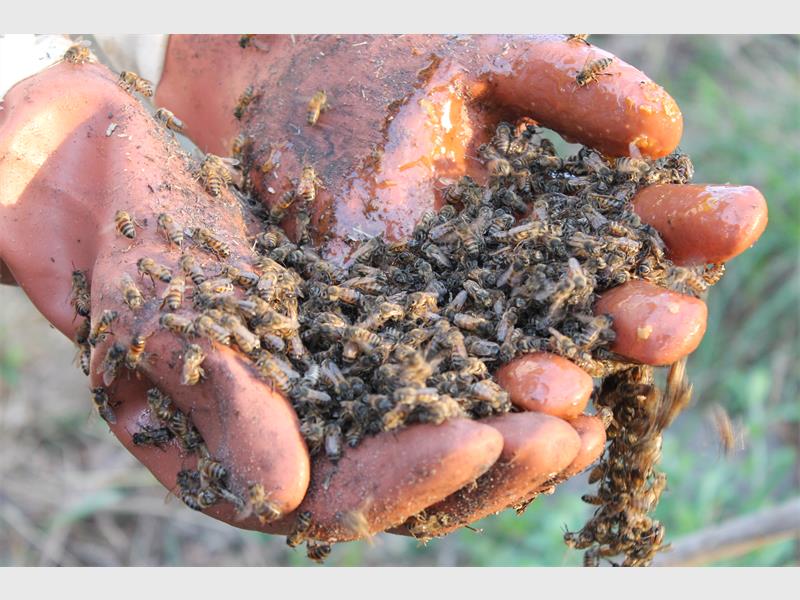
BEE stings are quite common.
Fortunately, most people do not have a bad reaction to the sting and the symptoms remain localised to the area of the sting.
After the initial pain of the sting has subsided, the area may be red, slightly swollen and itchy.
ALSO READ : What are the symptoms of a dangerous bee sting? Is an electrical shock always hazardous?
This is a normal reaction.
However some people are allergic to the protein in the venom the bee’s sting injects.
These symptoms have a greater effect on the body and can include:
• Swelling of the mouth and throat;
• Difficulty in breathing;
• A breakout of hives (rash) all over the skin;
If someone has been stung by a bee:
• Move away from the area where the bees are;
• Stay with the person and watch out for any severe reaction that could develop;
• Call for urgent medical help if there are signs of an allergic reaction;
• Remove the stinger promptly if it remains – honey bee stingers usually stay in the skin, continuing to inject venom;
• To remove the stinger, wipe over it with a piece of gauze, or scrape a fingernail, piece of cardboard, or a bank card over it;
• Remain calm.
What not to do:
• Do not squeeze the stinger in an attempt to remove it – this can cause more venom to be injected – avoid using tweezers for this reason;
• Do not scratch the sting – this could aggravate the problem and lead to an infection;
• Do not use calamine lotion, vinegar, or bicarbonate of soda – these are not recommended treatments, and the aim of neutralising the acidic venom with the latter two is pointless since the venom gets deep into the tissues;
• Do not burst any blisters that develop since this can lead to infection.
* Supplied by Robert McKenzie – KZN Emergency Medical Services
HAVE YOUR SAY
Like the South Coast Herald’s Facebook page, follow us on Twitter and Instagram
To receive our FREE email newsletter, click HERE