Kitty litter boxes 101 for new cat ‘parents’
If you are concerned that your feline friend hasn’t take to his new litter box, there could be several reasons why..
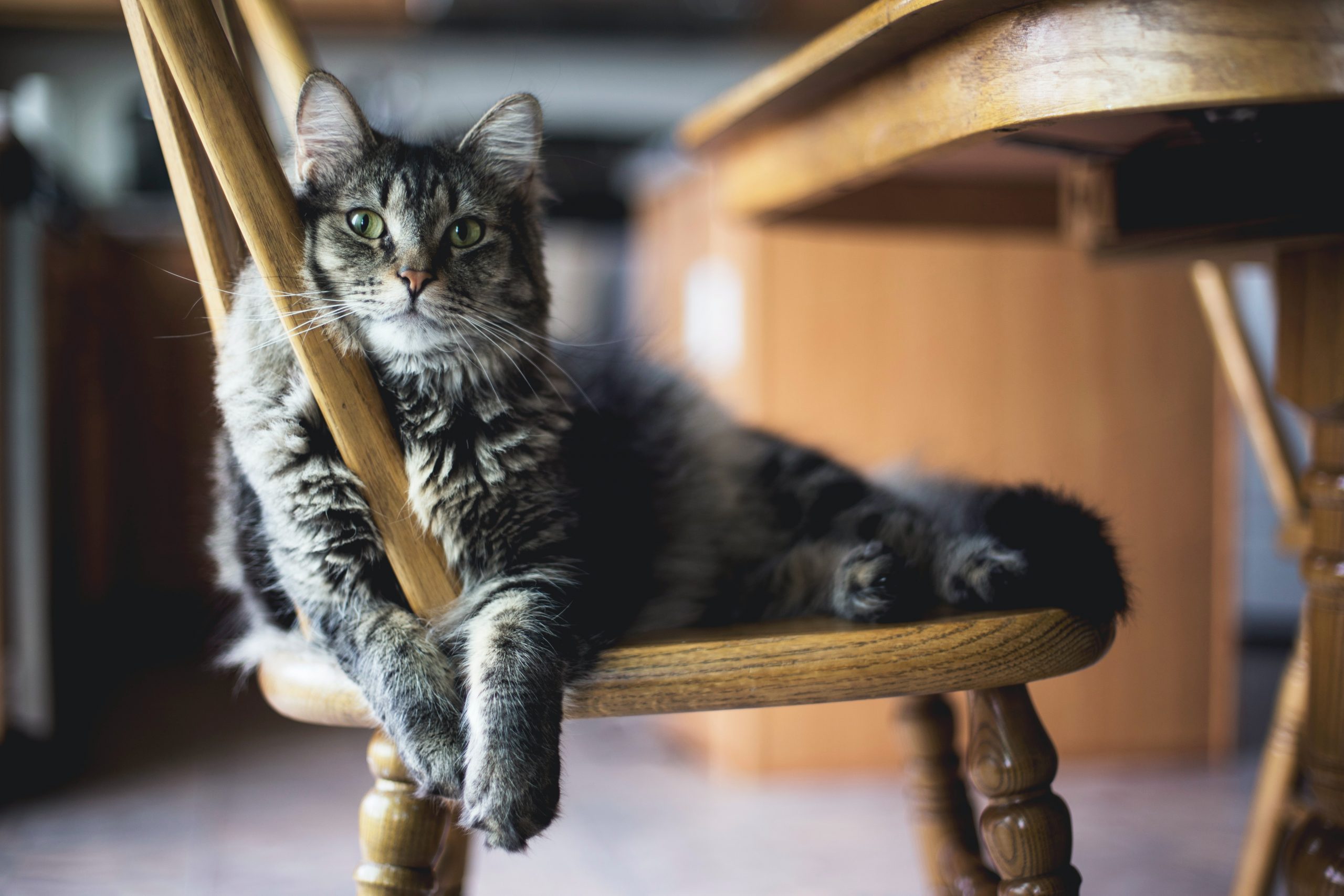
Cats are complex creatures and long-standing owners are well aware of their intricacies as animals. If you’re a new cat owner and have concern that your kitty hasn’t take to his new litter box, there may just be a few reasons why.
Below are some educational tips for getting your cat litter box trained.
Canine & Co and their local pet care team have highlighted five important considerations and provided a few solutions to help you troubleshoot your litter box set up experience.
Selecting the perfect litter box and positioning it in your home
Cats are private, self-cleaning animals, so place clean litter boxes in quiet, private areas of your home which are easily accessible to the cat.
Make sure that these areas are not accessible to children or other pets or placed within close proximity of noisy household items such as washing machines as the slightest disturbance could prevent your cat from using the litter box.
Litter boxes should be far removed from the cat’s food and water dishes.
You can expect that a kitten will more easily take to the litter box than a full-grown cat however, when ‘toilet-training’ your new kitten, limit their territory until they learn that the litter box is the only acceptable place to ’go potty’.
Covered, or ‘hooded’ litter boxes can be offensive to cats as they do not provide for the cat’s need to escape potential threats when eliminating.
They also trap the odour inside, creating an ‘outhouse effect’. The litter box should be uncovered and large enough to suit the adult cat.
ALSO READ: Spotlight On: When it’s cruel to be kind
At least one litter box per cat
Cats will often not use a litter box that’s been used by another, so ensure you have one for each pet, plus an extra as your cat may choose to defecate in one and urinate in another.
If you have a space challenge, a corner litter box doesn’t require as much room.
Choosing appropriate litter
There are so many litter options out there these days that it can be a daunting task to choose one.
Natural litter is typically preferred by most cats however different feline needs dictate why owners need to explore different cat litter options.
Some natural litters are even biodegradable and compostable or you can flush them down the loo.
Made from all-natural wood and grass fibres, these are dust free, gentle on kitty’s soft paws and clump amazingly well, making cleaning the litter box an easy task.
A handy tip for kitties with longer fur to reduce tracking of dirt as they leave the box, is to try a pellet type litter. These types of litter are heavier than ordinary litter and less likely to stick to your cat’s paws when they hop out of the litter box.
If you are old school and loyal to the traditional clay litters, then try the modern version – it offers unbeatable clumping, is 99% dust free and stops odours on contact.
Stress and anxiety as a reason your cat might not be using his/ her litter box
Another reason that your cat might be urinating or defecating in places other than their litter box is stress.
Cats are sensitive little creatures and if you suspect your cat might be stressed, or if you are just not managing to get litter box training right, try a home diffuser geared toward promoting calmness in your cat.
As well as being sensitive, cats are also picky and might just not like the place you have selected for them.
If you find yourself having to reason with a picky cat, try moving the litter box to an area closer to where you are finding they prefer to go.
Just remember to get rid of all odours from previous mishaps and, be sure to use a specialised cleaning agent for this purpose.
Underlying health conditions
If you’ve tried all of the above and your cat still isn’t using its litter box, this could be indicative of a potential health condition.
These special animals are known for being champion ‘hiders of pain’ – your cat may be experiencing a urinary or intestinal disorder, which makes elimination uncontrollable or painful.
Be sure to take your kitty to the vet to have any potential health conditions assessed. Don’t be afraid to ask an expert at your pet store for advice if your kitty is having loo-time issues!
HAVE YOUR SAY
Like the South Coast Herald’s Facebook page, follow us on Twitter and Instagram