Brush up on your South African knowledge – our national symbols
Find out more about these national symbols and where you can spot some of them.

It can be assumed that most South Africans are well aware of what their country’s national symbols are.
Question is, how much do they actually know about each symbol?
ALSO READ: New chapter post lockdown for Herald
If you fall under the category of people who’d like to know more about their country or simply require a bit of a refresher on this topic, we’ve got you covered:
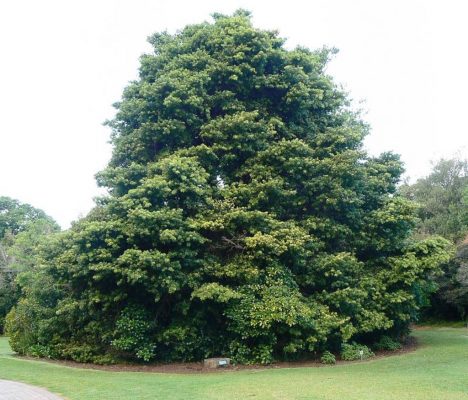
National Tree – The Real Yellowwood Tree (Podocarpus latifolius): The bark on this tree has colours ranging from khaki to grey when it is old. Yellowwood trees have a crown which is relatively small in relation to its height and is covered with grey lichen. They are found from Table Mountain, along the southern and eastern Cape coast, in the ravines of the Drakensberg up to the Blouberg and the Soutpansberg in Limpopo.
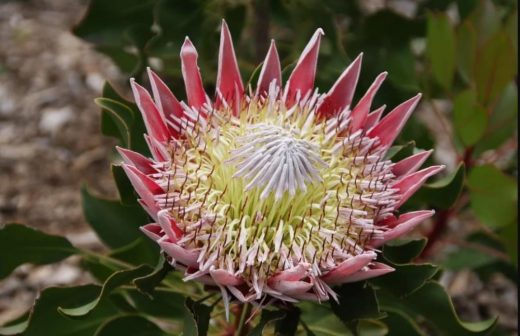
National Flower: The Giant/King Protea (Protea cynaroides): These flowers vary in colour and leaf shapes with the most common colour being pink. They are found in the south-western and southern areas of the Western Cape, from the Cedarberg up to just east of Grahamstown.
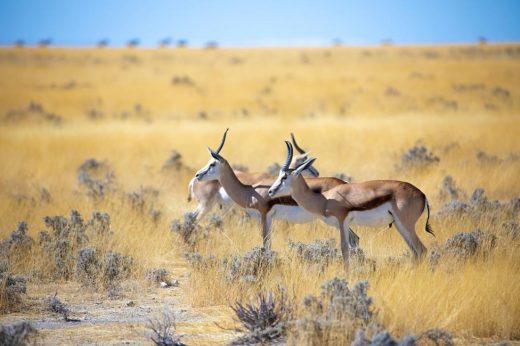
National Animal: The Springbok (Antidorcas marsupialis): Springboks are known for moving in small herds during the winter and crowd together in bigger groups in summer. They are most commonly found in dry areas and open grass plains such as in areas in the Free State, North West and in the Karoo up to the west coast.
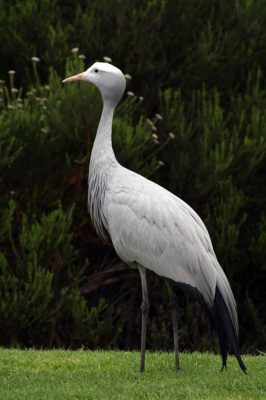
National Bird: The Blue Crane (Anthropoides paradisia): These birds are light blue-grey in colour and have a long neck, long legs and wing plumes which drag on the ground. Blue cranes are mainly spotted in pairs or small families in the grasslands of KwaZulu-Natal and the Highveld.
National Fish: The Galjoen (Coracinus capensis): This well-known fish is only found along South Africa’s coastline, often in rough surf, shallow waters and occasionally right next the shore. The galjoen feeds on mussels, barnacles and red bait.
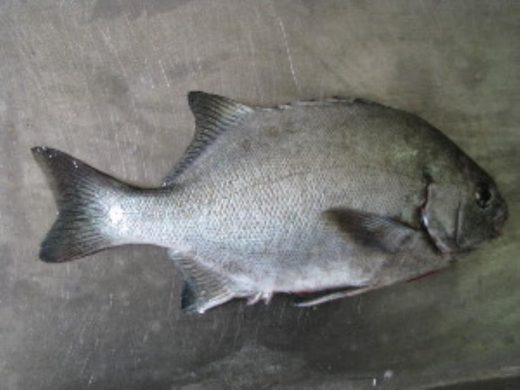
(Source: Department of Arts and Culture)
HAVE YOUR SAY Like the South Coast Herald’s Facebook page, follow us on Twitter and Instagram