Great wait for arrival of sardines has begun
The next flight to East London is scheduled for May 18, however this is dependent on the weather.
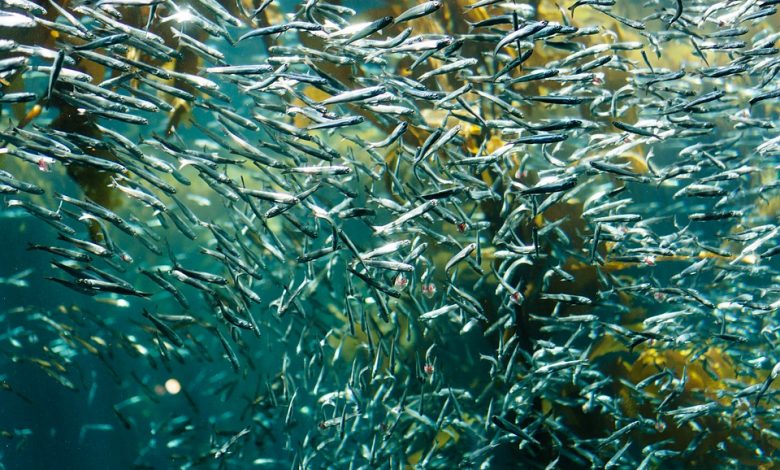
The KwaZulu-Natal Sharks Board Operations Division undertook its first sardine observation flight of the 2021 season on Tuesday this week.
This flight was conducted earlier than usual due to the continual reports of sardine activity in the Eastern Cape.
Greg Thompson, acting head of operations of the KwaZulu-Natal Sharks Board said that depending on the biomass of sardines, water temperatures and the inshore current conditions they would expect to see signs of sardine activity somewhere between Mazeppa Bay and East London.
Normal activity that accompanies any shoals of sardines includes hundreds to thousands of Cape gannets, very large schools of bottlenose and common dolphins and often many sharks. These are all indicators that the staff keep an eye out for on every flight.
The first flight was fairly eventful with small pilot shoals of sardines sighted between Mdumbi and Hole in the Wall.
The most concentrated activity sighted was further south between Chintsa and Gonubi. Hundreds of Cape gannets were seen spread out in this area with a few diving from time to time, accompanied by hundreds of dolphins.
There were a few humpback whales that were sighted, all moving northwards. It is however still very early for both the sardines and the humpback whales.
These two events, the sardine run, and the humpback whale migration are not connected and merely coincide with each other.
Mr Thompson said the sardine run off KZN may begin, assuming conditions are suitable, at any time between early June and late July and may not even occur close inshore, in occasional years for various reasons.
When the inshore waters are unsuitable, the sardines enter KZN in deeper waters further offshore and there are no visible signs of their presence from the shore.
The humpback whale migration however does occur annually, with the majority of the animals arriving off the coast of KZN during the first two weeks of June.
Nevertheless, it is not unusual to see some animals moving through as early as April. This migration is associated with mating and the birth of calves.
The whales often move as far north as Mozambique and Madagascar during this period.
The return to the feeding grounds in the Antarctic usually begins in September and the majority of humpback whales have left the KZN coastline by the first or second week of December each year.
The next flight to East London is scheduled for the May 18, however this is dependent on weather conditions.
HAVE YOUR SAY
Like the South Coast Herald’s Facebook page, follow us on Twitter and Instagram