Take precautions when swimming
With heavy rains impacting parts of South Africa NSRI are appealing to the public not to swim or try to cross through rivers swollen or flooded by heavy rainfall.
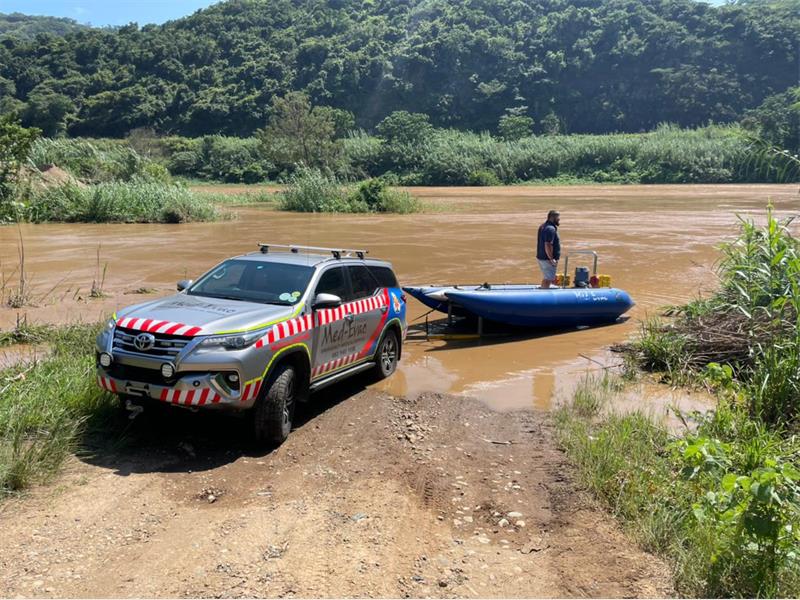
Water has claimed the lives of many young and old this holiday season.
A 10-year-old boy drowned while swimming in the Mtwalume river last Tuesday.
It is alleged that the youngster went with his friends to swim in the lagoon where he got into difficulty and drowned.
Police spokesman Captain Petros Mpinge said the body was recovered by Saps members from Port Shepstone K9 Search and Rescue Unit.
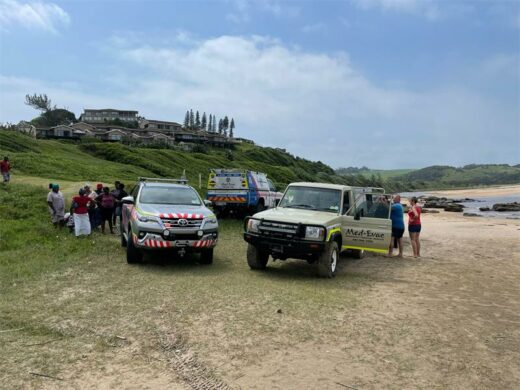
Paramedics from Medevac also assisted
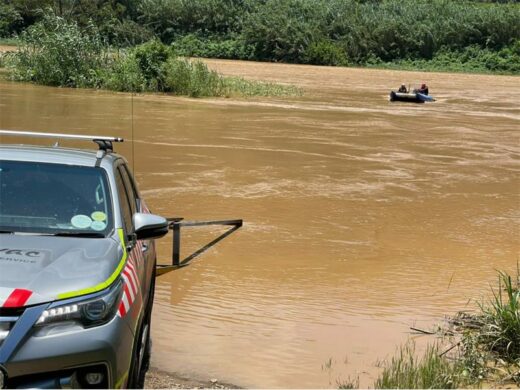
The police search is ongoing in the Mzimkhulu River for a 15-year-old boy who drowned at Gumatana in the St Faiths area on January 7.
St Faiths Saps opened an inquiry docket for investigation into the drowning of the teenager.
The mission of the National Sea Rescue Institute (NSRI), lifeguards, ambulance, fire and rescue services, SA police services and local law enforcement agencies, is focused on reducing drowning accidents along the coastline, inland waters and at swimming pools.
NSRI appeals to coastal bathers to only swim at beaches protected by lifeguards, and to swim in between the lifeguards’ safe swimming zone flags on the beach.
Lifeguards regularly move these flags when they detect rip currents forming and are appealing to the public to obey the lifeguards’ instructions to only swim in between their flags.
Families visiting the beach should approach the lifeguards if they are separated from family members or if they need assistance.
They are appealing to parents to make sure that there is a designated responsible person watching over children in and around coastal and inland waters and at swimming pools.
NSRI has developed a safety monitor ID tag to be worn by the responsible person that is overseeing children while they are swimming, and to regularly change that responsible monitoring person who is watching over the children every half an hour, to ensure that that designated person is not distracted by cellphone calls or by conversation during their monitoring period.
Do not drink alcohol and then go swimming, boating, paddling or sailboarding.
Rip currents:
If you are caught in a rip current don’t panic, stay afloat using the air in your lungs for natural buoyancy and tread water, moving your arms and legs in circular movements, to keep your head above water. Go with the rip current, do not try to swim against the current. Call out for help. At your first opportunity swim across the beachfront until you are free from the rip current and then use the incoming waves to get to the beach.
Red distress flares and sky lanterns:
NSRI is appealing to the public not to set off red distress flares during celebrations. Red distress flares are intended to be used only in emergencies and automatically activates an emergency response.
They also appeal to the public not to set off sky lanterns. While sky lanterns pose a fire hazard they are also often mistaken to be red distress flares and often cause NSRI and the emergency services to engage in lengthy search operations and investigations to ensure that there were no persons in any distress.
NSRI pink rescue buoys:
NSRI, in cooperation with local municipalities, has posted pink rescue buoys along the coastline and inland waters intended to be used as a safety floatation device for people in distress.
These NSRI pink rescue buoys are responsible for 84 lives saved on South African waters since the programme’s inception in 2017.
Removing a pink rescue buoy from its pole removes the potential for a life to be saved – unless the buoy is removed to be used in a life threatening water emergency.
If you find a pink rescue buoy that is not on its pole please report it to the NSRI on 021 434 4011 or drop it off at your nearest police station or surf shop, so that the pink rescue buoy can be returned to active duty.
Rivers:
With heavy rains impacting parts of South Africa, NSRI is appealing to the public not to swim or try to cross swollen rivers or those flooded by heavy rainfall.
HAVE YOUR SAY
Like the South Coast Herald’s Facebook page, follow us on Twitter and Instagram