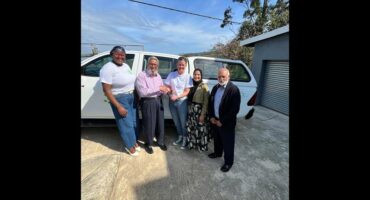
NSRI: ‘Biggest mass rescue operation in recent history’
Ireland said their neighbouring Eastern Cape NSRI stations, NSRI Richards Bay and St Lucia, NSRI Gauteng and NSRI Western Cape were all on alert to respond to assist.

Volunteers from National Sea Rescue Institute (NSRI) stations in the region were commended for their sterling efforts during the flood-stricken days last week.
Clifford Ireland, NSRI KwaZulu-Natal Regional Director thanked their NSRI stations in Port Edward, Shelly Beach, Rocky Bay, Durban and Ballito for their massive response.
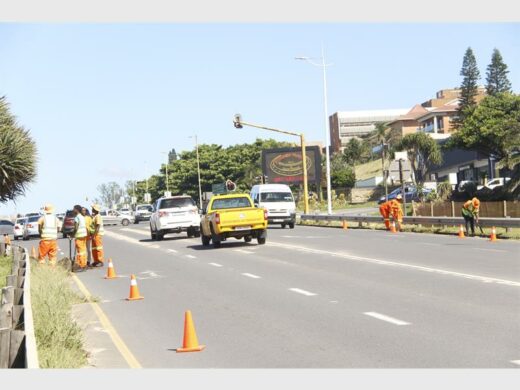
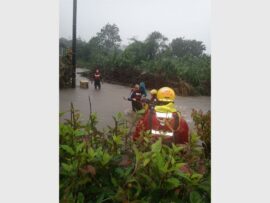
He said this was the biggest mass rescue operation they had faced in recent history.
“We commend the support from our NSRI Emergency Operations Centre,” he added.
Ireland said their neighbouring Eastern Cape NSRI stations, NSRI Richards Bay and St Lucia, NSRI Gauteng and NSRI Western Cape were all on alert to respond to assist.
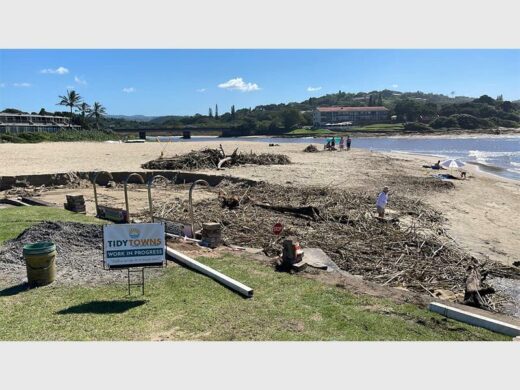
“We commend local communities and residents who assisted each other. Despite the sad loss of life, thousands of people were rescued and assisted,” he said.
The collection of volunteer services that NSRI are a part of under SA-CAN (Community Action Network) with the coordination and activation on the START network worked well and in accordance with the emergency plans in place to operate in these kinds of emergencies.
All emergency services who came together – Disaster Risk Management, NSRI, Ethekwini and Kwadakuza lifeguards, Police Search and Rescue, the SA Police Services, Fire and Rescue Services, Traffic Services, Metro Police and Metro Police Search and Rescue, KZN Government Health EMS, private ambulance services, local security companies, breakdown services, community response teams, municipal staff, the 112 emergency call centres and Transnet National Ports Authority, who despite overwhelming odds and for over 36 hours tirelessly helped to rescue scores of people and animals alike
The National Sea Rescue Institute (NSRI) is the charity organisation that saves lives on South African waters – both coastal and inland. Its goal is to prevent drowning through rescue operations, education and prevention initiatives.
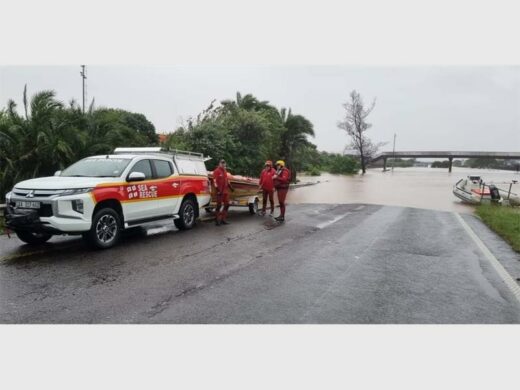
Operating from base stations along the SA coastline, and on inland dams, rescue volunteers are on call, at all hours, every day of the year. The rescue crew receives no payment and neither do they charge the people they rescue.
The volunteers visit schools around the country, teaching children about water safety.
Their drowning prevention measures include our online training academy, with free courses for crew and the public, emergency signage, Pink Rescue Buoys for emergency flotation, rescue swimmers, lifeguards, and active patrols during peak seasons.
HAVE YOUR SAY
Like the South Coast Herald’s Facebook page, follow us on Twitter and Instagram