Discover why fibre optics is increasingly used worldwide
Fibre optic cables can transmit data at much higher speeds than copper cables, making them ideal for high-bandwidth applications like video streaming and online gaming.
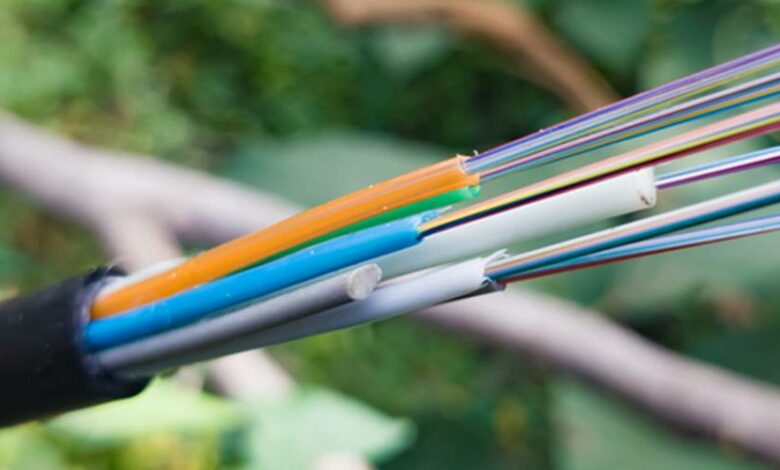
Fibre optics is a technology that has been around for decades, but in recent years, it has become increasingly popular around the world. Fibre optic cables use light to transmit data and have a number of advantages over traditional copper cables.
One of the main advantages of fibre optic cables is speed. Fibre optic cables can transmit data at much higher speeds than copper cables, making them ideal for high-bandwidth applications like video streaming and online gaming. They are also less susceptible to interference and noise, which can degrade the quality of data transmission.
Another advantage of fibre optic cables is distance. Unlike copper cables, which lose signal strength over long distances, fibre optic cables can transmit data over much longer distances without loss of signal quality. This makes them ideal for connecting networks over long distances, such as between cities or even continents.
Fibre optics – explains the fibre optical cables manufacturer OPF – is also becoming increasingly important in the rollout of 5G technology. 5G networks require high-speed, low-latency connections to support applications like autonomous vehicles and remote surgeries. Fibre optic cables are able to provide the necessary speed and reliability for these applications, making them a critical component of 5G infrastructure.
In addition to telecommunications, fibre optics is also being used in other industries, such as healthcare and energy. In healthcare, fibre optic cables are used in endoscopes to provide high-resolution images of internal organs. In the energy industry, fibre optic sensors are used to monitor pipelines and other infrastructure for leaks and other problems.
Overall, the increasing use of fibre optics is driven by its speed, reliability, and versatility. As the demand for high-speed data transmission continues to grow, it is likely that fibre optics will play an increasingly important role in our daily lives. Before continuing the reading we recommend this page for a China ADSS Cable manufacturer.
The history of fibre optics in South Africa
The history of fibre optics in South Africa dates back to the early 1980s, when the technology was first introduced to the country. Initially, fibre optic cables were primarily used by telecommunications companies to transmit high-speed data and voice communications over long distances.
In the early 1990s, the South African government recognised the potential of fibre optics for the country’s telecommunications infrastructure and began investing heavily in the technology. The government’s efforts led to the creation of a national fibre optic backbone network that connected major cities across the country, enabling faster and more reliable internet and phone services.
Over the years, fibre optic technology has continued to evolve and improve, and today, South Africa boasts one of the most advanced fibre optic networks on the African continent. The country’s major telecommunications companies, such as Telkom and MTN, have invested heavily in fibre optic infrastructure, with plans to continue expanding their networks to reach even more customers in the future.
In addition to telecommunications, fibre optics is also used in other industries in South Africa, such as healthcare, where it is used in medical imaging and diagnostic tools. The technology has also been used to improve the efficiency and safety of transportation systems, such as traffic management and railway signaling.
Overall, the history of fibre optics in South Africa highlights the importance of investing in new and innovative technologies to drive progress and development in various industries.