Tent Travels: Untouched splendour along the Garden Route
The national park comprises three separate sections, administered as a single unit.

AS a tourist hotspot, South Africa’s well-named Garden Route is as iconic as Kruger National Park and Table Mountain. It is good to know that much of the natural splendour of this incredibly beautiful shoreline and magical hinterland are conserved for future generations as the Garden Route National Park.
This national park is a relative newcomer. It was only proclaimed in 2009. About 52 000 hectares in extent, it is not a single entity with one defined border. It is a gathering up of three separate, environmentally sensitive Garden Routes attractions that are administered as one diverse and interesting reserve, under the Sanparks banner.
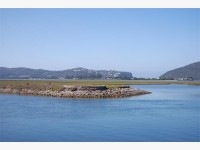
The national park includes sections of the waterways around Knysna, the Wilderness section and the Tsitsikamma section, three islands of conservation in a busy, heavily populated tourist area. The park offers rich variety – ancient, mystical forests, bright fields of fynbos, soggy vleis, winding rivers, silvery lakes, river mouths, the jagged Outeniqua Mountains, rugged shoreline and the watery paradise that is the famous Knysna Estuary.
These diverse habitats make for good birding opportunities, with all sorts of forest, water, shoreline and fynbos ‘specials’ waiting to be ticked. As for mammals, plenty of little creatures are to be found in the park although the mega-tick would be a sighting of the elusive, almost legendary Knysna elephants.The park also offers plenty of outdoor adventures making it an ideal family holiday destination.
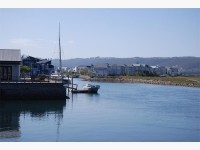
The waterways around Knysna are truly magnificent and are used extensively for recreational purposes. However, a large section has also been set aside for conservation as part of the national park, providing a balance between the needs of man and Mother Nature.
A few years ago we stayed at the riverside Ebb and Flow Camp in the Wilderness section of the park. Ensconced in that green, bird-filled river valley, its slopes covered with untouched indigenous woodlands, it was hard to believe we were in one of the busiest tourist areas in South Africa.
On a recent visit we headed inland to walk some of those ancient indigenous forests, where, it is becoming apparent, the most southerly elephants may well still roam.On many visits we have made the most of the chance to explore this magical piece of coastline and to enjoy the cultural activities and good eateries that the upmarket town of Knysna has to offer.
However, my best Garden Route memory is of a magical night spent in the Tsitsikamma section of the national park, at the Storms River Mouth camp:
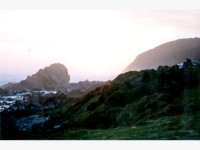
Our little tent is perched beneath rugged mountains right on the edge of one of South Africa’s most dramatic stretches of shoreline. Although seaside camping can be a windy, rainy experience, the evening is perfect, with just the tiniest breeze keeping us cool. Storms River Mouth is a popular resort and the camping ground is fairly crowded. Even so, we thoroughly enjoy a first class wilderness experience, here in this wild and wonderful section of the Garden Route National Park.
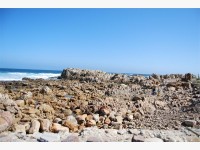
In the morning we start the day with a walk along the shoreline to the Storms River Mouth, a rugged place of craggy cliffs and rock formations, secret little beaches and waterfalls. We bravely cross the famous swing bridge and follow a steep path through a patch of magnificent natural forest to a lofty view site. What a heavenly place this is – truly, a fairytale world. On our way back to our camp a cloud drifts across the sun, and it starts to rain as we pack up our tent. As we leave this, one of SanParks most exquisite rest camps, it is pouring.
We are heading for Addo National Park and don’t really relish camping in the rain but when we stop at the small town of Storms River, the local people are thrilled about the downpour. The area has been experiencing a drought and rain is sorely needed.
After our Storms River Mouth sojourn, enjoying the lush, rain-watered natural beauty, we can’t really moan about the prospect of a little wet-weather discomfort.