We have two very energetic grandchildren staying with us – ages 7 and 8. I am always amazed at the amount of energy they can expend in play and activity. It is not difficult to encourage them to be active, especially if an adult or other older child is willing to participate with them in what they want to do. It is too bad that as we get older we have less and less inclination to be active in play and physical activity
ALSO READ : Turning the Tide – Getting back to basics (No 4)
The human body is certainly an amazing “machine”, capable of impressive accomplishments. But it is also highly efficient in converting potential energy (glucose in muscles) into kinetic energy (actions moving us from one place to another). We were designed for motion and activity. If we deny our bodies that function, it leads to ill-health.
Modern life is obsessed with gadgets and devices to reduce activity – from motor cars/taxis/trains/buses/airplanes to lifts and elevators to TV’s and cellphones (we don’t even have to walk down the passage to answer the phone anymore). Although not as common in South Africa as many countries overseas, it is quite possible to have all your shopping done on line and delivered to your door. Why would you even need to drive to the Mall and face the crowds of people and cars, the traffic congestion and (heaven forbid) risk of contamination from all those germs out there!!
Well, it turns out that not being active has some very serious consequences in terms of premature death, preventable disease and high healthcare costs.
Research has found that physical inactivity causes 6% of heart disease, 7% of type 2 diabetes, 10% of breast disease, and 10% of colon cancer. In the US between 50-60% of the population is inactive – more than twice the rate of smoking (18%), high blood pressure (30%) and high blood cholesterol (32%). I suspect South Africans have similar figures (in 2015 the overall prevalence for smoking in S Africa was 17,6% (but 29% for men and 7,3% for women).
The Human Sciences Research Council published a study back in 2012 about physical activity amongst older South Africans. Results indicate that 60.5% engaged in low physical activity, 10.9% in moderate and 28.6% in high physical activity. Overall 55.0% of the participants reported no vigorous or moderate physical activity at work, 89.1% no vigorous or moderated physical activity during leisure and 57.5% did not walk or cycle.
In a study entitled “Physical activity: The South African context”, by Prof S.J. Moss (PhD, MBA)
Director of Research: Physical activity, Sport and Recreation, Faculty of Health Sciences, North West University, there is much practical advice for South Africans regarding physical activity and its benefits:
Way back in 1953 a landmark study was published in the Lancet by J Morris in which he compared the health outcomes between bus drivers who spent most of their work time sitting, to bus conductors who spent most of their time walking up and down the stairs of the double-decker buses in London.
Drivers had double the incidence of fatal heart attacks. Since then numerous other studies have shown the benefits of longer life and reduced chronic diseases from a more active lifestyle.
What are some of those benefits:
- Physically active individuals sleep better, feel better and function better
- Physical activity improves quality of sleep, increases deep sleep and decreases daytime sleepiness.
- A single episode of physical activity improves executive functioning (like decision making, writing examinations, administrative activities) – it even helps doctors do better surgery!.
- Regular physical activity reduces clinical depression and depressive symptoms in those with and without clinical depression.
- Regular physical activity reduces symptoms of anxiety (including both chronic levels of anxiety as well as acute feelings of anxiety felt by many individuals from time to time).
- A single bout of moderate to vigorous physical activity:
- Decreases blood pressure
- Reduces anxiety symptoms
- Increases insulin sensitivity and reduces insulin resistance
- Increases sleep quantity, quality or both
- Improves cognition (mental function and thinking processes) on the day it is performed.
What is the difference between Physical Activity and Exercise?
Physical activity is any bodily movement produced by the contraction of skeletal muscles that increases energy expenditure above a basal level – that basically means moving your body.
Exercise is a subcategory of physical activity that is planned, structured, and repetitive with the objective of improving or maintaining one or more components of physical fitness.
What are the recommendations for physical activity?
For adults:
- 150 minutes of moderate intensity physical activity per week (e.g. 30 minutes 5 days per week). OR
- 75 minutes of vigorous physical activity per week
For more extensive health benefits
- 300 minutes of moderate intensity physical activity OR
- 150 minutes vigorous physical activity
- Resistance training at least twice per week.
For children:
- 60 minutes of moderate activity per day
In next weeks blog, we will talk about different types of exercise and the benefits of each.
Until then think of ways that you can increase your daily activity.
Dave Glass
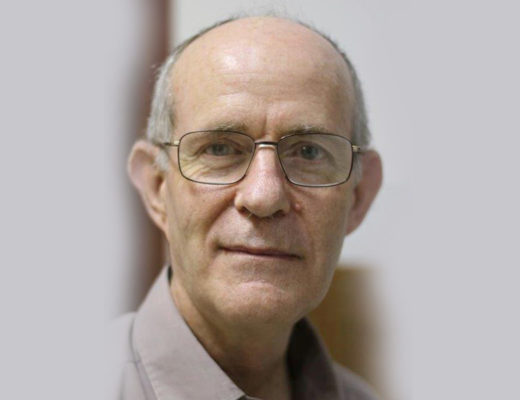
Dr David Glass graduated from UCT in 1975. He spent the next 12 years working at a mission hospital in Lesotho, where much of his work involved health education and interventions to improve health, aside from the normal busy clinical work of an under-resourced mission hospital.
He returned to UCT in 1990 to specialise in obstetrics/gynaecology and then moved to the South Coast where he had the privilege of, amongst other things, ushering 7000 babies into the world. He no longer delivers babies but is still very clinically active in gynaecology.
An old passion, preventive health care, has now replaced the obstetrics side of his work. He is eager to share insights he has gathered over the years on how to prevent and reverse so many of the modern scourges of lifestyle – obesity, diabetes, ischaemic heart disease, high blood pressure, arthritis, common cancers, etc.
He is a family man, with a supportive wife, and two grown children, and four beautiful grandchildren. His hobbies include walking, cycling, vegetable gardening, bird-watching, travelling and writing. He is active in community health outreach and deeply involved in church activities. He enjoys teaching and sharing information.
HAVE YOUR SAY
Like the South Coast Herald’s Facebook page, follow us on Twitter and Instagram
To receive our FREE email newsletter, click HERE