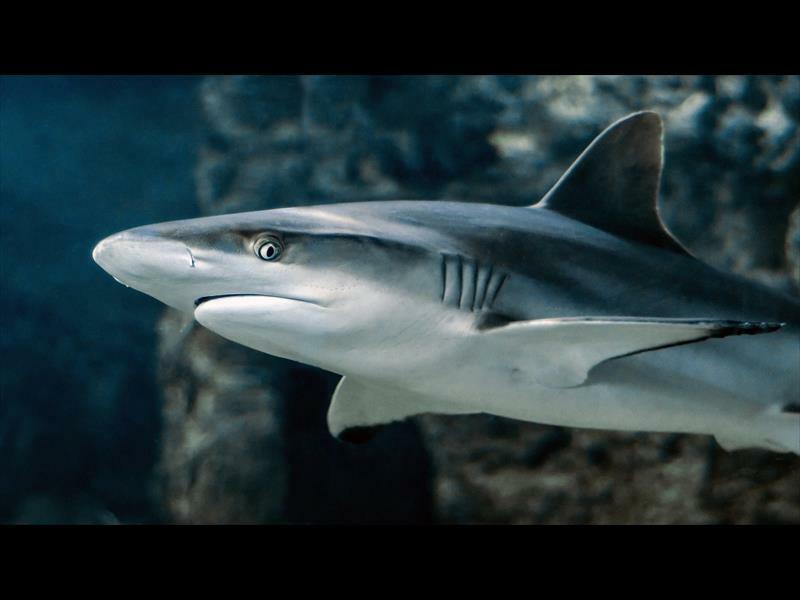
Sharks are magnificent creatures and like many species in nature which have large teeth and aggressive expressions they are often seen as a threat, and don’t always get the positive attention to understand their behaviour and function in our ecosystem.
Sharks are apex predators and are considered a keystone species when it comes to the biodiversity of the oceans. With 500 plus species, sharks don’t just dwell in the ocean, they help shape it. The surface of the ocean receives the most sunlight. Phytoplankton – the engines of marine ecosystems – need this to thrive, but these shallow waters are nutrient poor. When sharks, rays and marine mammals like whales dive to feed on animals in deeper waters, they return carrying essential nutrients, which they excrete in the warmer upper layers, making these shallow waters more productive. In turn the phytoplankton feed migratory fish like sardines and are crucial for their survival. These vertical migrations, and the creatures that perform them, help mix the different ocean layers, dragging up nutrient-rich water from the depths and help to oxygenate and expand the most productive top layer.
Sharks also mitigate climate change by controlling the species that graze on sea grasses and seaweed. Over-grazing these underwater grasslands (as on land), is a biodiversity threat, and lowers the ability of these fields to produce oxygen and sequester CO2 from the environment.
Sharks evolved more than 400 million years ago and continue to thrive. These ancient creatures have outlived the dinosaurs, but human activity poses a much greater danger to sharks than they do to us, we are pushing more species towards the endangered list and even extinction. Our Marine Protected areas of Aliwal Shoal and Protea Banks offer some relief for these spectacular species and their popularity as dive sites is known worldwide, helping to educate many and share awareness by respecting and admiring sharks’ powerful role in the ecosystem.
Our fear of sharks and our tools of mitigating shark attacks are causing as much damage as unregulated fishing and kills from bycatches.
In 2020 the Department of Forestry, Fisheries and Environment issued a National Plan of Action for the conservation of sharks on our South African coastline, this is in addition to the Shark Biodiversity Management Plan. Internationally 54 species of sharks have been placed under protection and more efforts are being made to bring awareness of this key species and their importance in our management of our oceans’ health.
HAVE YOUR SAY
Like the South Coast Herald’s Facebook page, follow us on Twitter and Instagram