The Department of Transport, which manages the R102, has been fixing the railings on the bridges and clearing stormwater drains, which is most welcome.
With all the rain we’ve been experiencing, it’s been just in time. It’s important that the various entities responsible for this basic maintenance do their part to assist with ‘climate proofing’ our area, which will assist with the quality and longevity of the roads and keeping our citizens safe while travelling.
There are many practical, easy-to-implement and cost-effective ways for this to happen, and lots can be done by simply removing the alien invasive plants (AIPs) and planting for phytoremediation.
Do we have an effective and efficient municipal nursery?
By working with trees and other plants in a focused way, we are able to take advantage of their natural ability to absorb substances which are harmful to humans. Many people have become more aware in recent years that air quality can be improved by plants, and many reforestation programmes are being undertaken worldwide.
In South Africa, spekboom has also gained much popularity as an easy-to-grow indigenous plant that can absorb high volumes of carbon dioxide and carbon monoxide, thereby mitigating the impact of traffic fumes. But plants don’t just improve air quality; they can improve the quality of soil, especially topsoil and water, too.
Phytoremediation (from photo – plant, and remedy – repair or heal) is the process of removing contaminants from the environment using living plants. A lot of international research exists that demonstrates the efficacy of phytoremediation as a way of removing biological and chemical contaminants from surface water, groundwater and topsoil.
In many cases, phytoremediation has been shown to be more effective than ‘conventional’ wastewater treatment systems, and a removal rate as high as ‘99.9% for E. coli, total coliforms, 97.0% for fecal streptococci, 100% for C. perfringens, and 100% in the case of Giardia cysts, Cryptosporidium oocysts, and helminth eggs has been noted in wetlands (Molleda et al., 2008)’.
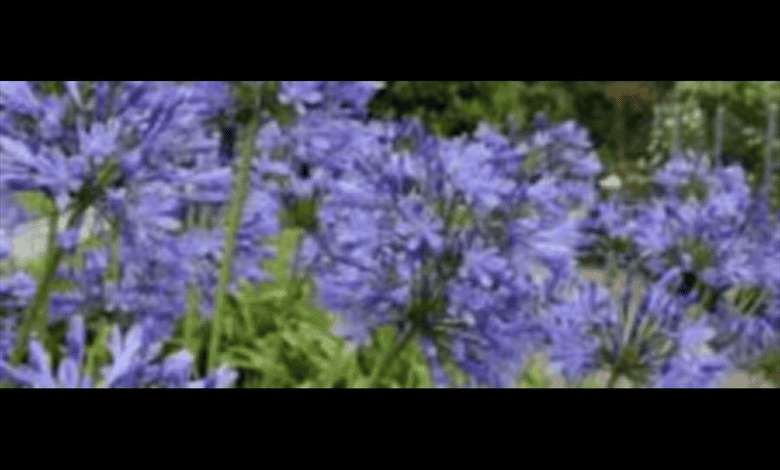
Imagine driving past beautiful agapanthus in wetlands and on riverbanks and magnificent strelitzia regina around urban watercourses and stormwater discharge points, both of which remove petroleum from water and topsoil… we really can start to revive our paradise by using plants in a more conscious manner!
HAVE YOUR SAY
Like our Facebook page, follow us on Twitter and Instagram