July 30: On This Day in World History … briefly
Most notable historic snippets or facts extracted from the book ‘On This Day’ first published in 1992 by Octopus Publishing Group Ltd, London, as well as additional supplementary information extracted from Wikipedia.
1858: Speke names Lake Victoria
British explorer John Hanning Speke (31) names the great lake he found in the heart of Africa after Queen Victoria. He was exploring the region with Richard Burton, but after their joint discovery of Lake Tanganyika, the younger man decided to make the homeward journey by striking out northwards. Speke’s claim that in Lake Victoria he found the source of the Nile was unlikely to be accepted by Burton, nor by many others in the scientific community. Speke developed an interest in exploration while serving with the British Army in India. His chance to join a pukka expedition came three years earlier when he became a member of Burton’s abortive attempt to explore Somaliland. Speke was badly wounded in the attack by Somali natives that put paid to the expedition.
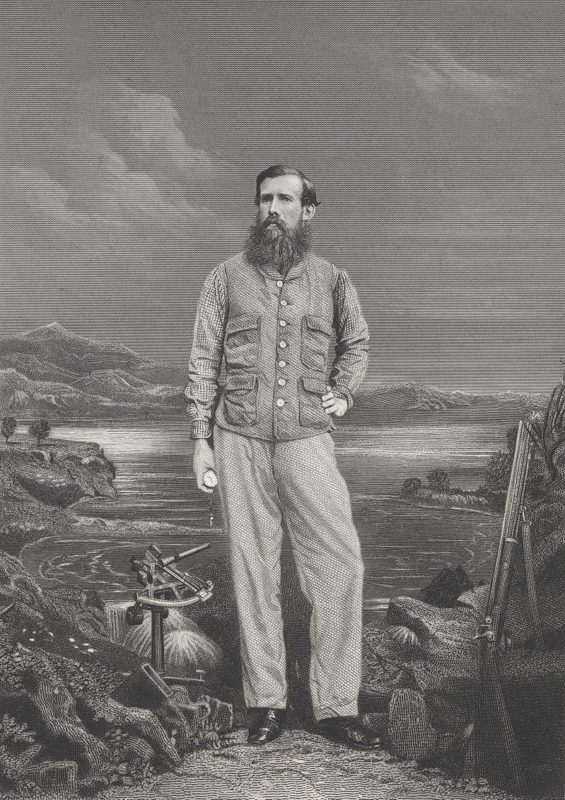
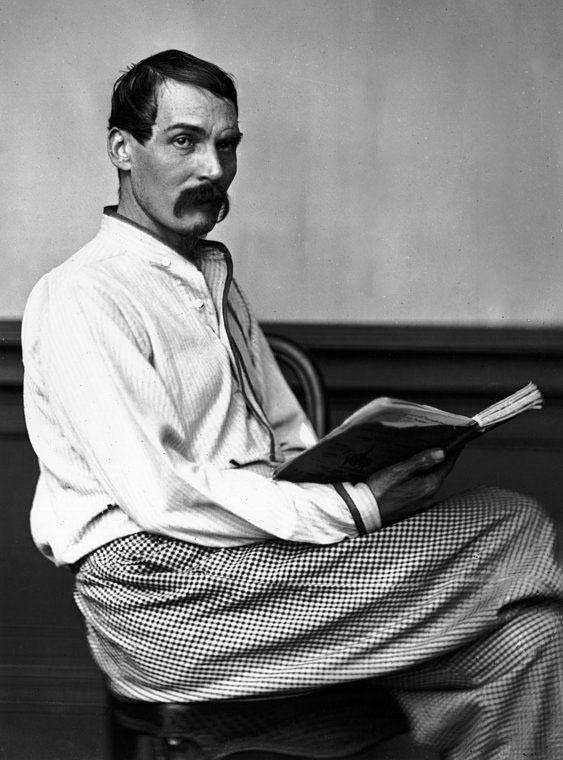
In 1856, Speke and Burton went to East Africa to find the Great Lakes, which were rumored to exist in the center of the continent. It was hoped that the expedition would locate the source of the Nile. The journey, which started from Zanzibar Island in June 1857, was extremely strenuous and both men fell ill from a variety of tropical diseases once they went inland. By 7 November 1857 they had traveled over 600 miles on foot and donkey and they reached Kazeh (Tabora), where they rested and recuperated among Arab slave traders who had a settlement there. In Kazeh Burton became gravely ill and Speke went temporarily blind as they travelled further west. After an arduous journey, the two arrived in Ujiji in February 1858 and became the first Europeans to reach Lake Tanganyika (although Speke was partially blind at this point and could not properly see the lake).
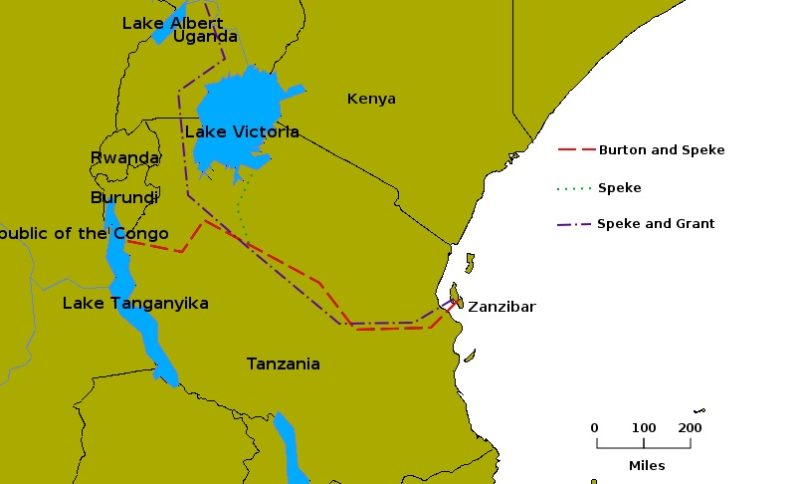
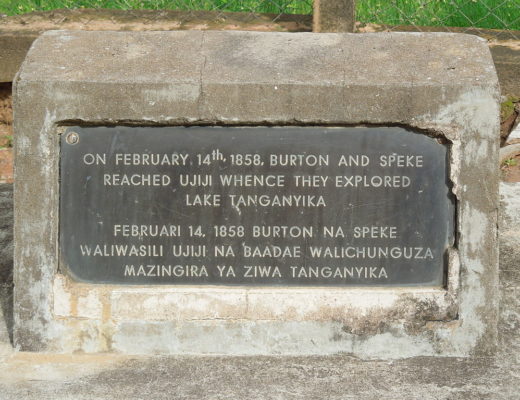
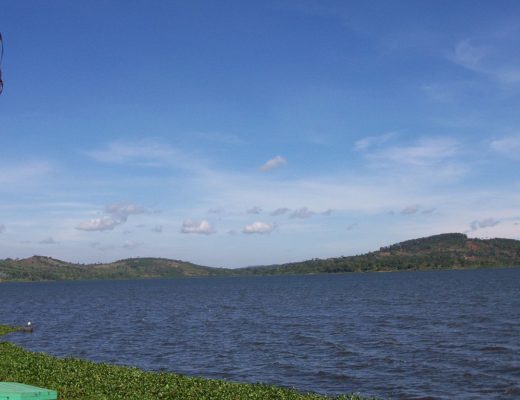
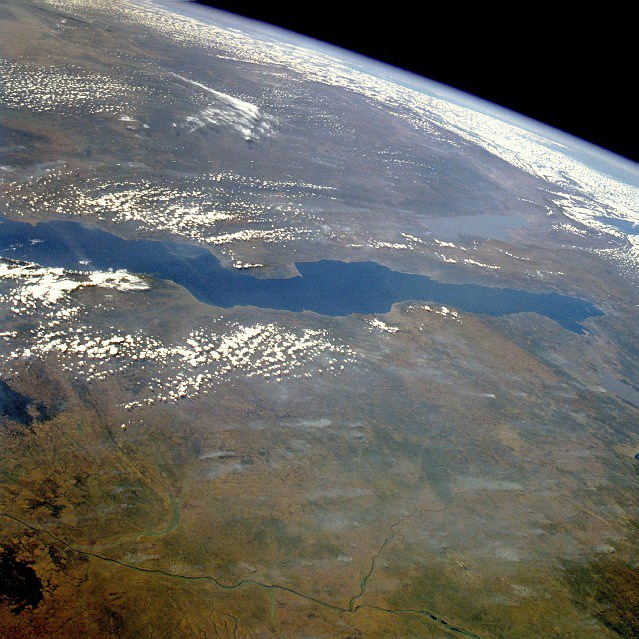
They decided to explore the lake but it was vast and they only could get small canoes from the locals. Burton was too ill to journey and thus Speke crossed the lake with a small crew and some canoes to try to rent a larger vessel from an Arab who, they were told, had a large boat and lived on the west side of the lake. (Lake Tanganyika is over 400 miles long on the north-south axis but only about 30 miles wide.) During this trip Speke, marooned on an island, suffered severely when he became temporarily deaf after a beetle crawled into his ear and he tried to remove it with a knife. Unable to rent the larger vessel from the Arab, Speke returned. The pair were unable to explore Lake Tanganyika properly and they initially misunderstood that a river flowed out of it from the north side. A few weeks later Sidi Mubarak Bombay confirmed via locals that the river flowed into the lake; however, since neither man actually saw this river, this remained a source of speculation.
1973: Thalidomide victims win case
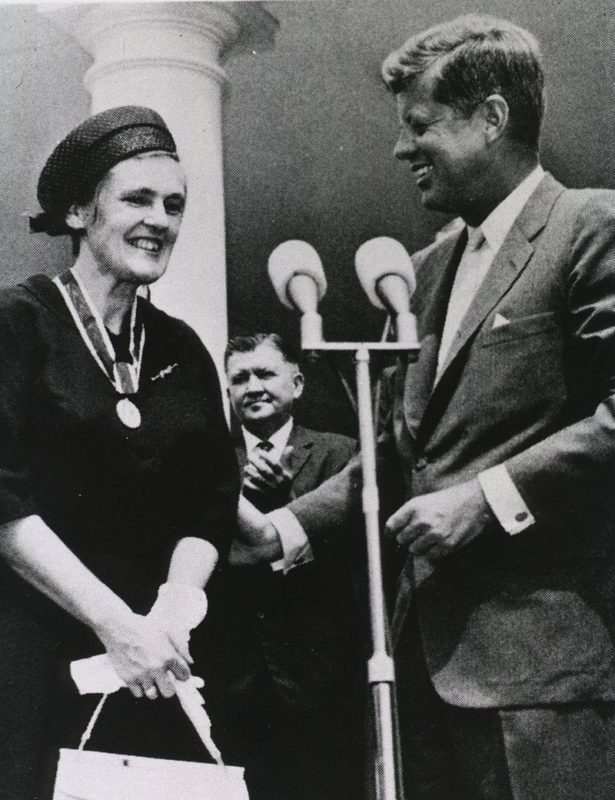
The families of victims of the drug ‘Thalidomide’ are awarded £20 million ($11 million) in compensation after an 11-year legal battle fought on their behalf by the Sunday Times newspaper. The case began after it was discovered that the pill was associated with a high incidence of babies born with malformed limbs. The case highlighted the need for greater stringency in testing of new drugs.

Thalidomide was discovered by scientists at the German pharmaceutical company Chemie Grünenthal (now Grünenthal GmbH) around 1953. The company had been set up as a soap maker just after WWII ended, to address the urgent market need for antibiotics. Heinrich Mueckter was appointed to head the discovery program based on his experience working with the German army’s antiviral research program. In the course of preparing reagents for the work, Mueckter’s assistant Wilhelm Kunz isolated a by-product, that was in turn recognised by pharmacologist Herbert Keller as an analog of glutethimide, a sedative, and the medicinal chemistry work turned to improving the lead compound into a suitable drug; the result was thalidomide. The toxicity was examined in several animals and the drug was introduced in 1956 as a sedative.
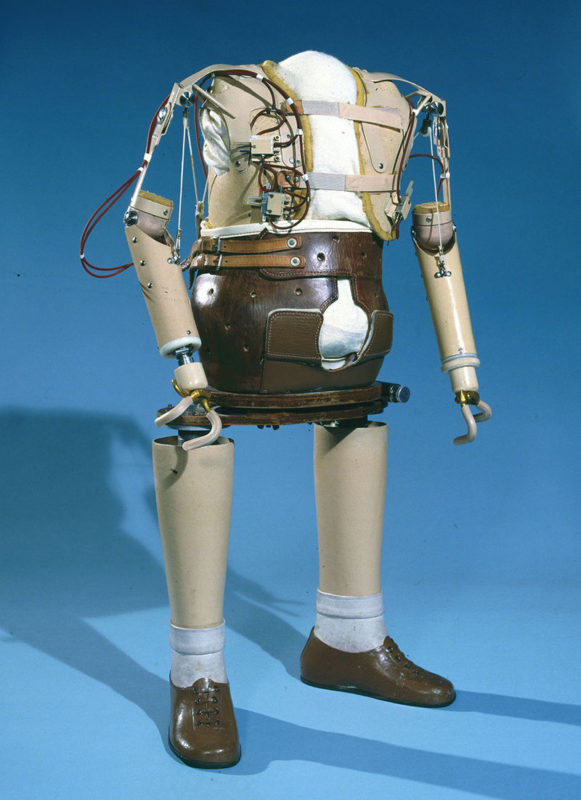
Researchers at Chemie Grünenthal also found that thalidomide was a particularly effective anti-emetic that had an inhibitory effect on morning sickness. Hence, on October 1, 1957, the company launched thalidomide and began marketing it under the trade name Contergan. It was proclaimed a ‘wonder drug’ for insomnia, coughs, colds and headaches. The numerous reports of malformations in babies brought about the awareness of the side effects of the drug on pregnant women. The birth defects caused by the drug thalidomide can range from moderate malformation to more severe forms. Possible birth defects include phocomelia, dysmelia, amelia, bone hypoplasticity, and other congenital defects affecting the ear, heart, or internal organs. Franks et al looked at how the drug affected newborn babies, the severity of their deformities, and reviewed the drug in its early years. Webb in 1963 also reviewed the history of the drug and the different forms of birth defects it had caused. The most common form of birth defects from thalidomide is shortened limbs, with the arms being more frequently affected. This syndrome is the presence of deformities of the long bones of the limbs resulting in shortening and other abnormalities.
1991: Singing in the rain
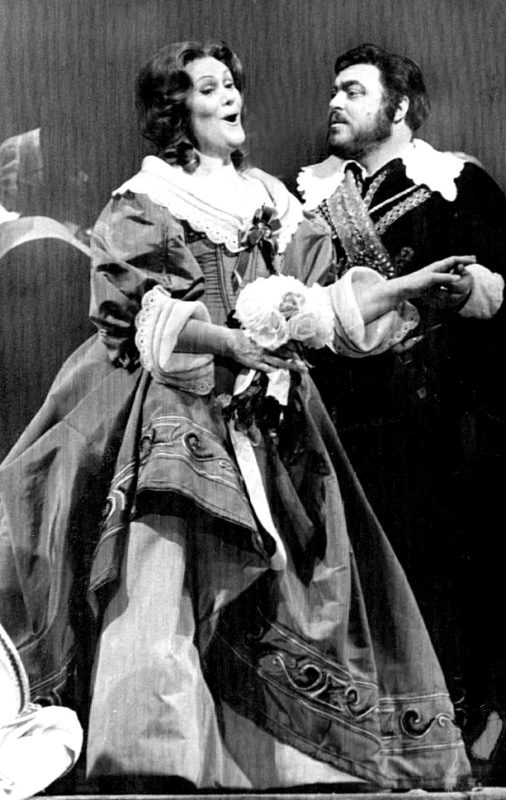
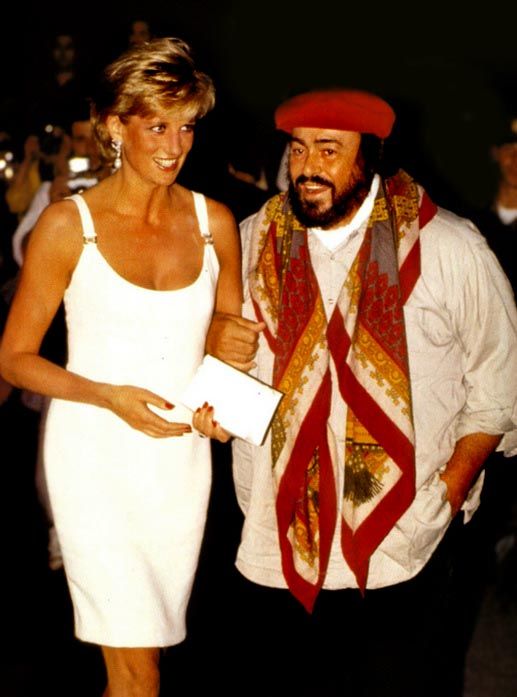
Not even the golden tones of Luciano Pavarotti could bring a smile to the heavens over London’s Hyde Park and cajole the rain to stop. Fortunately the weather did not spoil the mammoth maestro’s free open-air concert to celebrate his 30th anniversary in opera. More than 150 000 people turned up to hear his personal thank you to London and to cheer him hoarse. Among the dripping VIPs was the polythene-clad Princess Diana, to whom the 20-stone singer gallantly dedicated the aria ‘Donna Non Vidi Mai’ (I have never seen a lady like that). The concert was televised live to an estimated 400 million people in 35 countries.
HAVE YOUR SAY
Like our Facebook page, follow us on Twitter and Instagram
For news straight to your phone, add us on BBM 58F3D7A7 or WhatsApp 082 421 6033