August 13: On This Day in World History … briefly
Most notable historic snippets or facts extracted from the book ‘On This Day’ first published in 1992 by Octopus Publishing Group Ltd, London, as well as additional supplementary information extracted from Wikipedia.
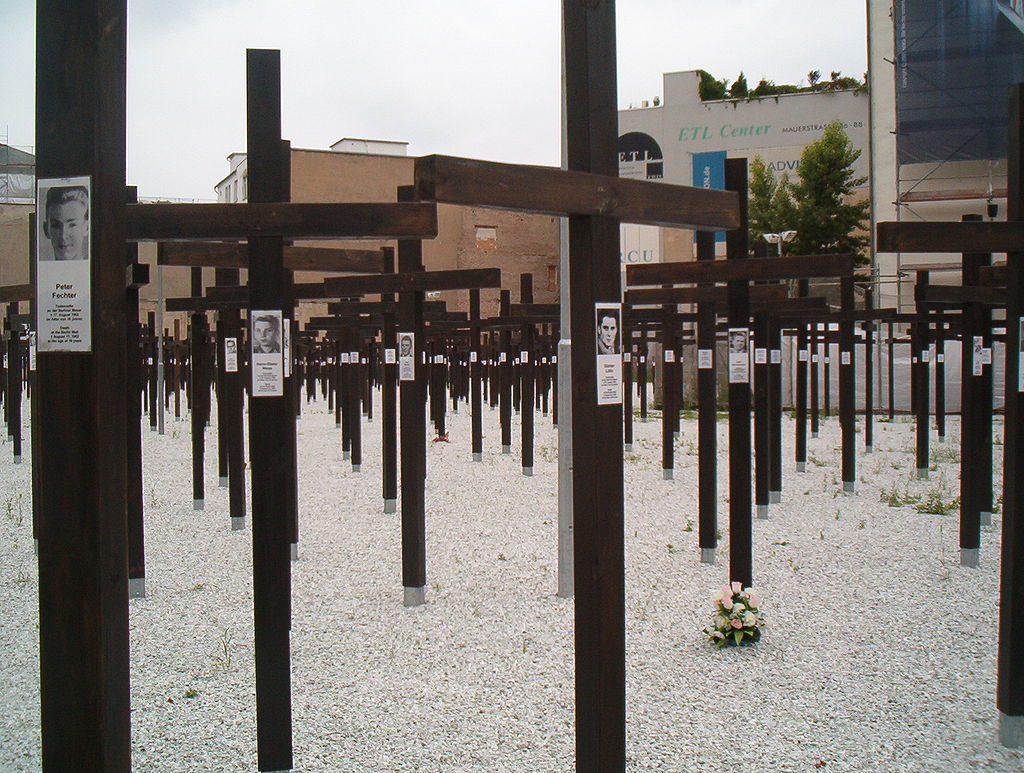
1961: Construction of the Berlin Wall starts
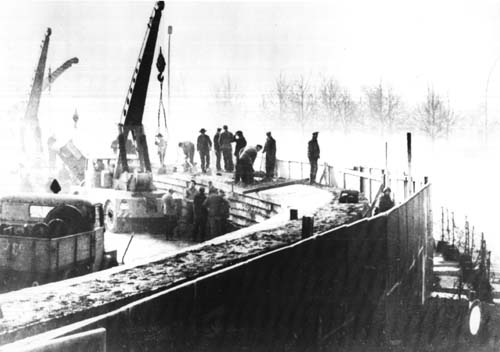
The Berlin Wall was a guarded concrete barrier that physically and ideologically divided Berlin from 1961 to 1989 to thwart escape from the East to the West.

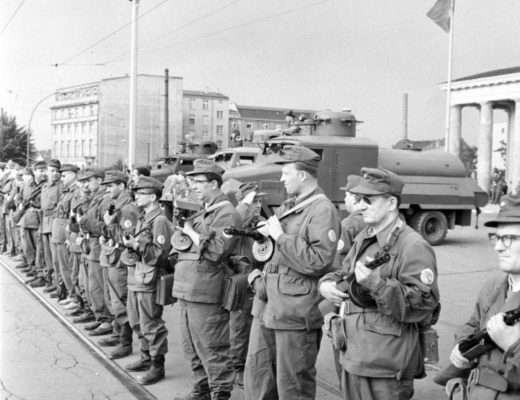
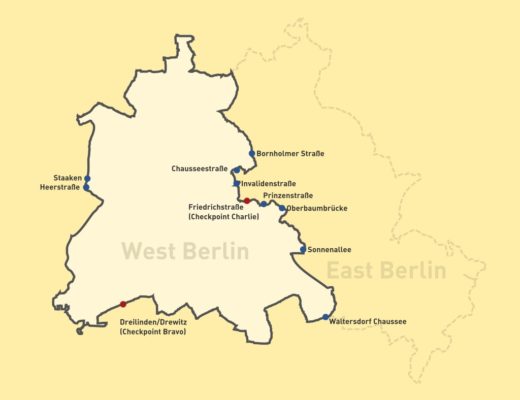
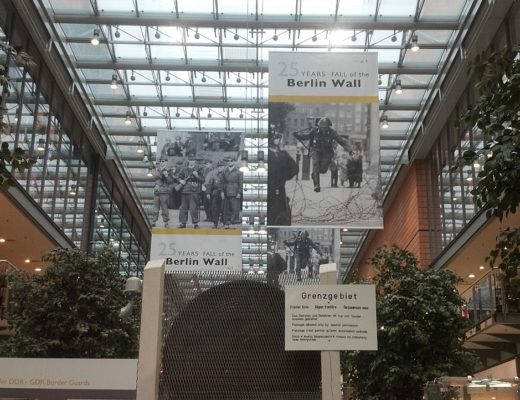
Constructed by the German Democratic Republic (GDR, East Germany), starting on August 13, 1961, the Wall cut off (by land) West Berlin from virtually all of surrounding East Germany and East Berlin until government officials opened it in November 1989. Its demolition officially began on June 13, 1990, and finished in 1992.
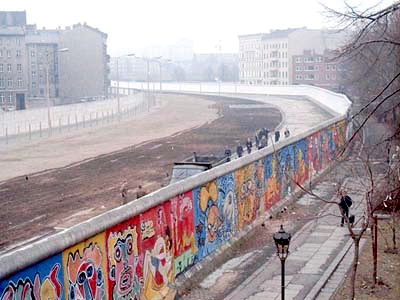
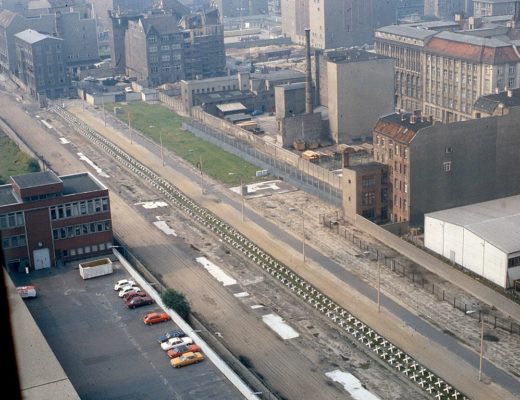
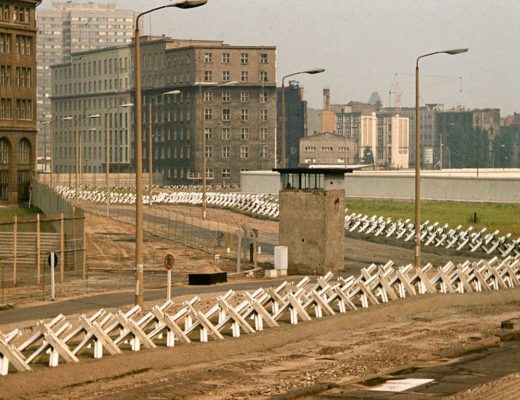
The barrier included guard towers placed along large concrete walls, accompanied by a wide area (later known as the ‘death strip’) that contained anti-vehicle trenches, ‘fakir beds’ and other defences. The Eastern Bloc portrayed the Wall as protecting its population from fascist elements conspiring to prevent the ‘will of the people’ in building a socialist state in East Germany.
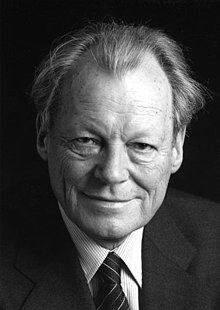
GDR authorities officially referred to the Berlin Wall as the Anti-Fascist Protection Rampart. The West Berlin city government sometimes referred to it as the ‘Wall of Shame’, a term coined by Mayor Willy Brandt in reference to the Wall’s restriction on freedom of movement.
Along with the separate and much longer Inner German border (IGB), which demarcated the border between East and West Germany, it came to symbolize physically the ‘Iron Curtain’ that separated Western Europe and the Eastern Bloc during the Cold War.
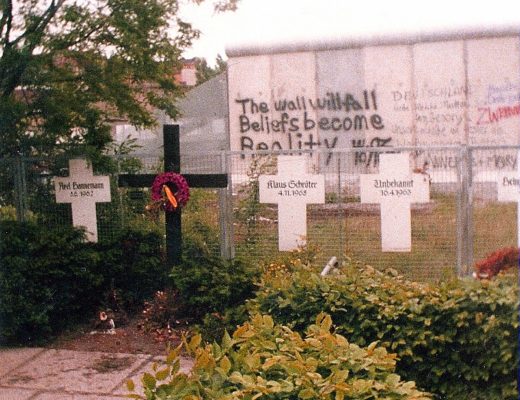
Before the Wall’s erection, 3.5 million East Germans circumvented Eastern Bloc emigration restrictions and defected from the GDR, many by crossing over the border from East Berlin into West Berlin; from there they could then travel to West Germany and to other Western European countries. Between 1961 and 1989 the Wall prevented almost all such emigration. During this period over 100 000 people attempted to escape and over 5 000 people succeeded in escaping over the Wall, with an estimated death toll ranging from 136 to more than 200 in and around Berlin.
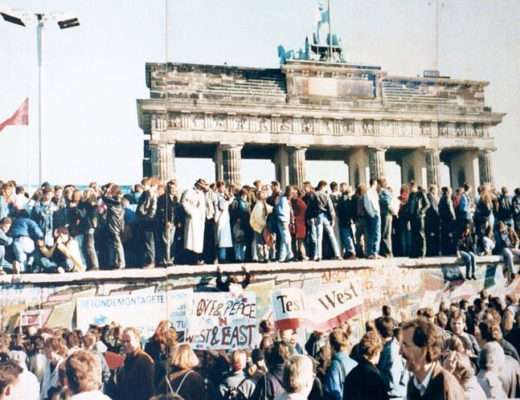
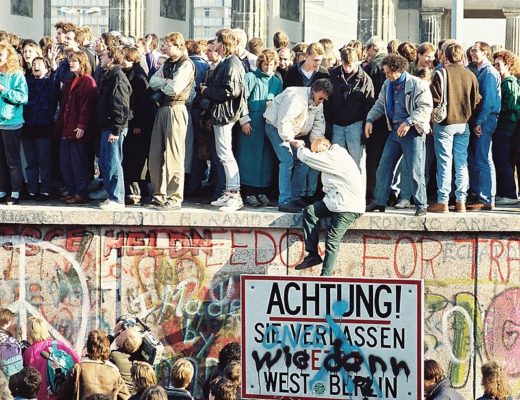
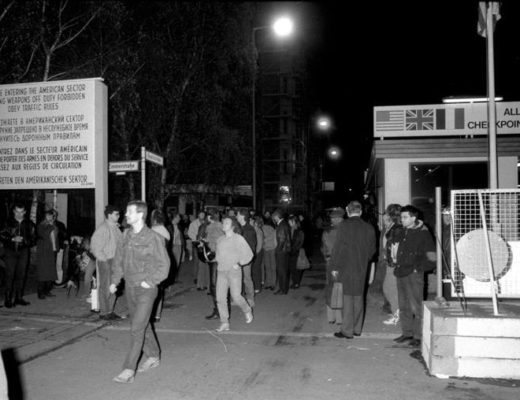
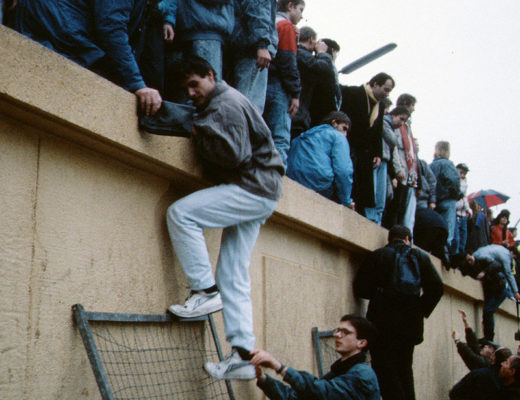
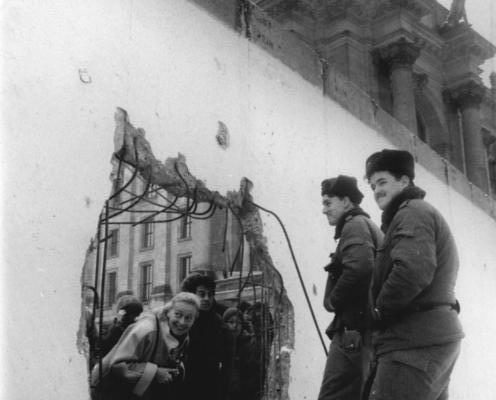
In 1989 a series of revolutions in nearby Eastern Bloc countries – Poland and Hungary in particular—caused a chain reaction in East Germany that ultimately resulted in the demise of the Wall. After several weeks of civil unrest, the East German government announced on 9 November 1989 that all GDR citizens could visit West Germany and West Berlin. Crowds of East Germans crossed and climbed onto the Wall, joined by West Germans on the other side in a celebratory atmosphere. Over the next few weeks, euphoric people and souvenir hunters chipped away parts of the Wall; the governments later used industrial equipment to remove most of what was left. The ‘fall of the Berlin Wall’ paved the way for German reunification, which formally took place on 3 October 1990.
In June 1989 the Hungarian government began dismantling the electrified fence along its border with Austria (with Western TV crews present), and then, in September, more than 13,000 East German tourists escaped through Hungary to Austria. This set up a chain of events. The Hungarians prevented many more East Germans from crossing the border and returned them to Budapest. These East Germans flooded the West German embassy and refused to return to East Germany.
Little is left of the Wall at its original site, which was destroyed almost in its entirety.
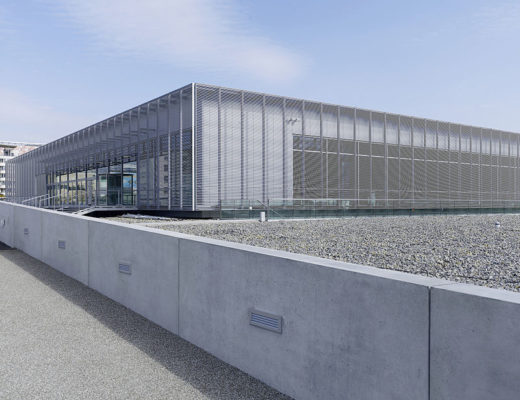
Three long sections are still standing: an 80-metre-long (260 ft) piece of the first (westernmost) wall at the Topography of Terror, site of the former Gestapo headquarters, halfway between Checkpoint Charlie and Potsdamer Platz;
a longer section of the second (easternmost) wall along the Spree River near the Oberbaumbrücke, nicknamed East Side Gallery; and a third section that is partly reconstructed, in the north at Bernauer Straße, which was turned into a memorial in 1999. Other isolated fragments, lampposts, other elements, and a few watchtowers also remain in various parts of the city.
Concerts by Western artists and growing anti-Wall sentiment
“Every stone bears witness to the moral bankruptcy of the society it encloses.” — Margaret Thatcher commenting about the wall, West Berlin, 1982
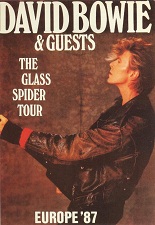
David Bowie, 1987
On 6 June 1987, David Bowie, who earlier for several years lived and recorded in West Berlin, played a concert close to the Wall. This was attended by thousands of Eastern concertgoers across the Wall, followed by violent rioting in East Berlin. According to Tobias Ruther, these protests in East Berlin were the first in the sequence of riots that led to those of November 1989. Although other factors were probably more influential in the fall of the Wall, on his death, the German Foreign Office tweeted “Good-bye, David Bowie. You are now among #Heroes. Thank you for helping to bring down the #wall.”
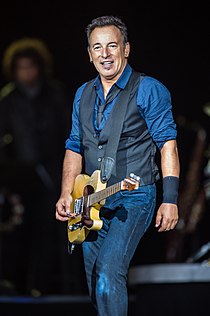
Bruce Springsteen, 1988
On 19 July 1988, 16 months before the Wall came down, Bruce Springsteen and the E-Street Band, played Rocking the Wall, a live concert in East Berlin, which was attended by 300,000 in person and broadcast delayed on television. Springsteen spoke to the crowd in German, saying: “I’m not here for or against any government. I’ve come to play rock ’n roll for you in the hope that one day all the barriers will be torn down.” East Germany and its FDJ youth organisation were worried they were losing an entire generation. They hoped that by letting Springsteen in, they could improve their sentiment among East Germans. However, this strategy of ‘one step backwards, two steps forwards’ backfired and the concert only made East Germans hungrier for more of the freedom that Springsteen epitomised. While John F Kennedy and Ronald Reagan delivered their famous speeches from the safety of West Berlin, Springsteen’s speaking out against the Wall in the middle of East Berlin added to the euphoria.
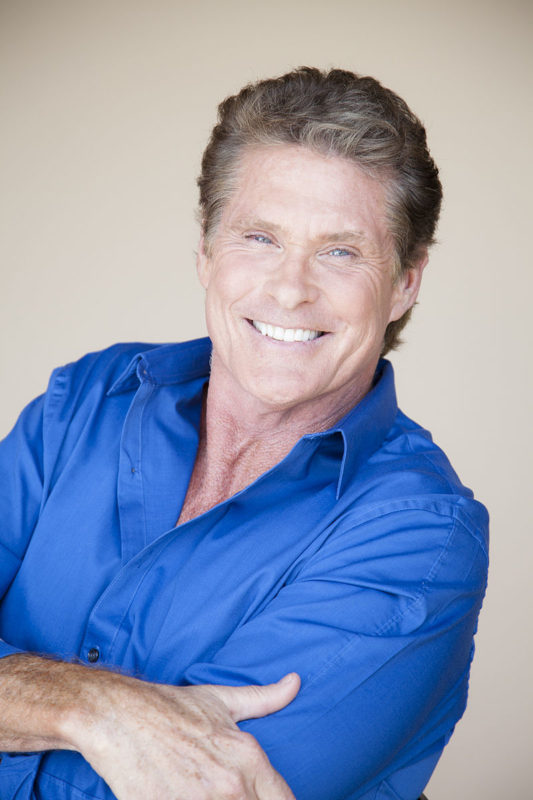
David Hasselhoff, 1989
On 31 December 1989, American TV actor and pop music singer David Hasselhoff was the headlining performer for the Freedom Tour Live concert, which was attended by over 500,000 people on both sides of the Wall. The live concert footage was directed by music video director Thomas Mignone and aired on broadcast television station Zweites Deutsches Fernsehen ZDF throughout Europe. During shooting film crew personnel pulled people up from both sides to stand and celebrate on top of the wall. Hasselhoff sang his number one hit song ‘Looking For Freedom’ on a platform at the end of a twenty-meter steel crane that swung above and over the Wall adjacent to the Brandenburg Gate.
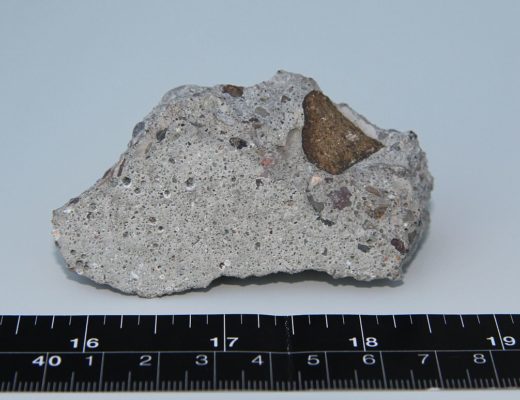
Nothing still accurately represents the Wall’s original appearance better than a very short stretch at Bernauer Straße associated with the Berlin Wall Documentation Centre. Other remnants are badly damaged by souvenir seekers. Fragments of the Wall were taken and some were sold around the world. Appearing both with and without certificates of authenticity, these fragments are now a staple on the online auction service eBay as well as German souvenir shops.
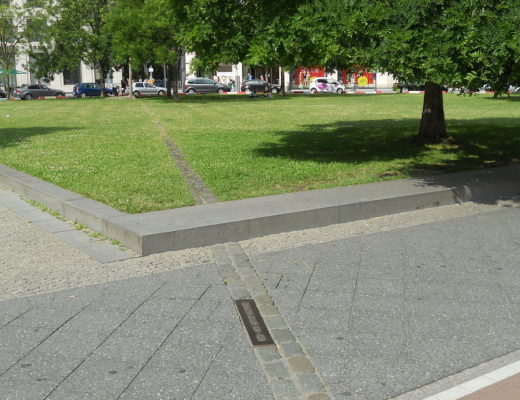
Today, the eastern side is covered in graffiti that did not exist while the Wall was guarded by the armed soldiers of East Germany. Previously, graffiti appeared only on the western side. Along some tourist areas of the city centre, the city government has marked the location of the former Wall by a row of cobblestones in the street.
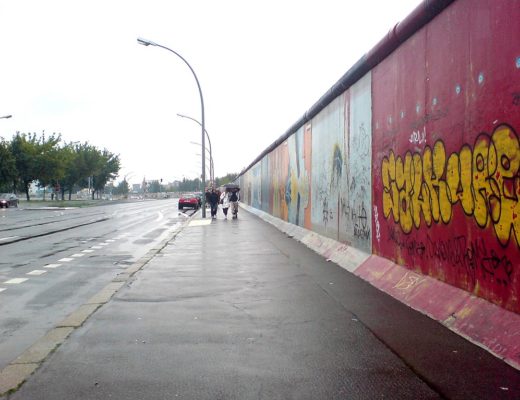
In most places only the ‘first’ wall is marked, except near Potsdamer Platz where the stretch of both walls is marked, giving visitors an impression of the dimension of the barrier system.
After the fall of Berlin Wall, there were initiatives that they want to preserve the death strip walkways and redevelop it into a hiking and cycling area, known as Berliner Mauerweg. It is part of the initiative by Berlin Senate since 2005.
HAVE YOUR SAY
Like our Facebook page, follow us on Twitter and Instagram
For news straight to your phone, add us on BBM 58F3D7A7 or WhatsApp 082 421 6033