October 16: On This Day in World History … briefly
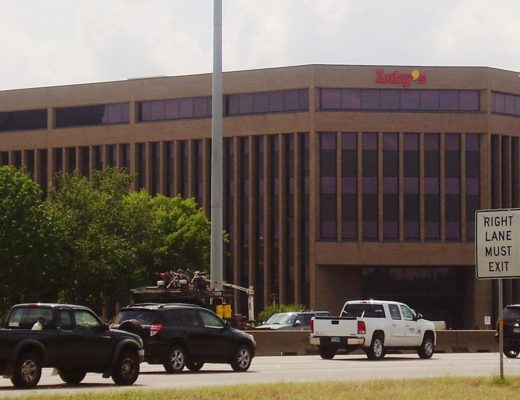
Luby’s Cafeteria in Killeen, 50 miles (80km) north of Austin, Texas, was the scene of one of the worst massacres in American history at the time.
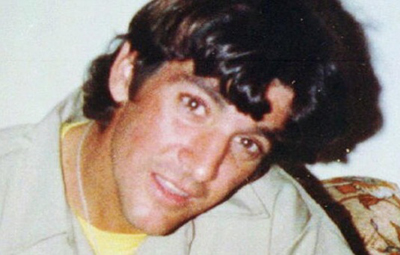
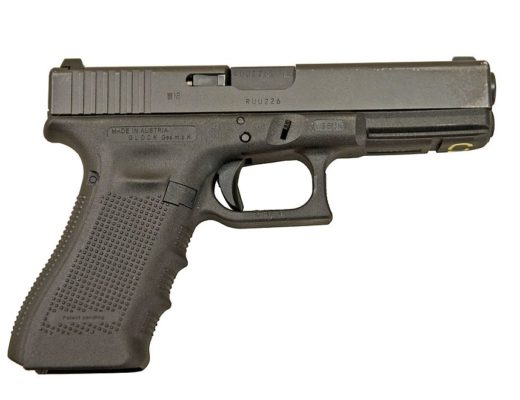
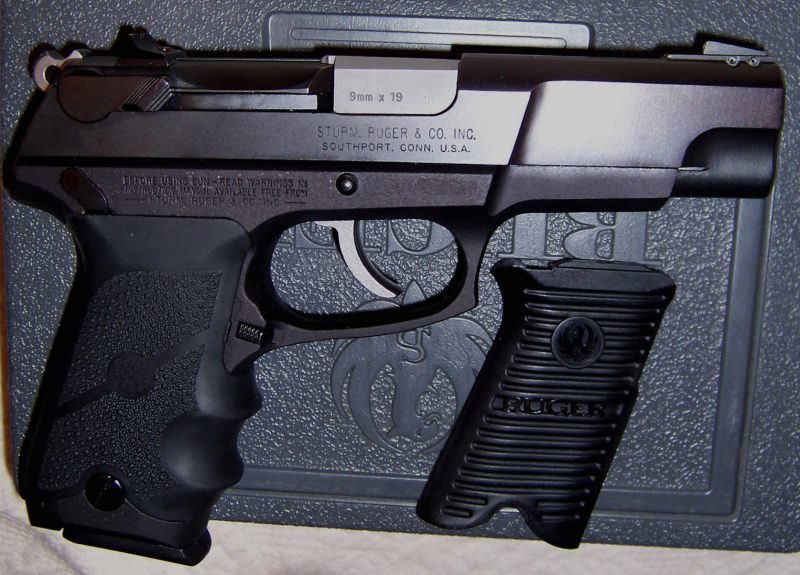
Georges Pierre Hennard was born on October 15, 1956, in Sayre, Pennsylvania, the son of a Swiss-born surgeon and a homemaker. He had two younger siblings, brother Alan and sister Desiree. Hennard’s family later moved to New Mexico, where his father worked at the White Sands Missile Range near Las Cruces. After graduating from Mayfield High School in 1974, he enlisted in the US Navy and served for three years, until he was honorably discharged. Hennard later worked as a merchant mariner, but was dismissed for drug use. Early in the investigation of the massacre, the Killeen police chief said that Hennard ‘had an evident problem with women for some reason’. After his parents divorced in 1983, his father moved to Houston, and his mother moved to Henderson, Nevada. The Glock 17 and Ruger P89 9mm pistols which Hennard used were purchased between February and March 1991 at a gun shop in Henderson.
Hennard stalked two sisters who lived in his neighborhood prior to the massacre. He sent them a letter, part of which said: ‘Please give me the satisfaction of someday laughing in the face of all those mostly white treacherous female vipers from those two towns (Killeen and Belton) who tried to destroy me and my family’. He also wrote that he was ‘truly flattered knowing I have two teenage groupie fans’.
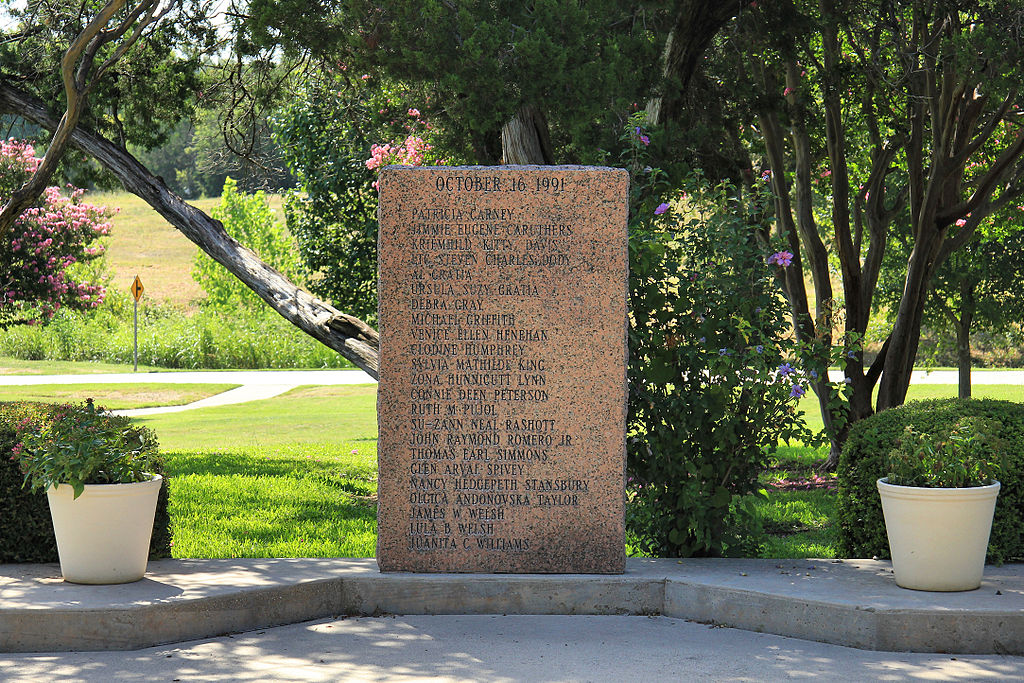
On October 16, 1991, unemployed 35-year-old George drove his Ford Ranger pickup truck through the plate-glass front window of a Luby’s Cafeteria in Killeen, Texas. Hennard yelled, ‘All women of Killeen and Belton are vipers! This is what you’ve done to me and my family! This is what Bell County did to me… this is payback day!’ He then opened fire on the patrons and staff with both a 9mm Glock 17 pistol and a 9mm Ruger P89 pistol. Hennard stalked, shot, and killed 23 people (ten of them with single shots to the head) and wounded another 27.
October 16 was National Boss’s Day and the cafeteria was unusually crowded with around 150 people. At first, bystanders thought the crash was an accident, but Hennard started shooting patrons almost immediately. The first victim was veterinarian Michael Griffith. Another patron, Tommy Vaughn, threw himself through a rear window, sustaining injuries, but he created an escape route for himself and others. Hennard reloaded at least three times before police arrived and he engaged in a brief shootout with them. Wounded, he retreated to an area between the two bathrooms (patrons were hiding in these bathrooms and had blocked their doors). The police repeatedly told Hennard to surrender, but he refused, saying he was going to kill more people. Hennard was shot a further two times by police, in the abdomen. Having no more bullets for the one gun he now held and with worsening injuries, minutes later Hennard committed suicide by shooting himself in the head
Possible motive
Hennard was described as reclusive and belligerent, with an explosive temper. He had been pushed out of the Merchant Marine because of possession of marijuana. Numerous reports included accounts of Hennard’s expressed hatred of women. An ex-roommate of his said, ‘He hated blacks, Hispanics, gays. He said women were snakes and always had derogatory remarks about them, especially after fights with his mother.’ Survivors from the cafeteria said Hennard had passed over men to shoot women. 14 of the 23 people killed were women, as were many of the wounded. He called two of them a ‘bitch’ before shooting them.
Most notable historic snippets or facts extracted from the book ‘On This Day’ first published in 1992 by Octopus Publishing Group Ltd, London, as well as additional supplementary information extracted from Wikipedia.
HAVE YOUR SAY
Like our Facebook page, follow us on Twitter and Instagram
For news straight to your phone, add us on WhatsApp 082 421 6033