December 20: On This Day in World History … briefly
The Summit Tunnel fire is probably one of the biggest underground fires in transportation history, certainly bigger than the 1996 Channel Tunnel fire (a relatively meagre 350 megawatts) and probably bigger than the ill-defined Salang tunnel fire in Afghanistan.
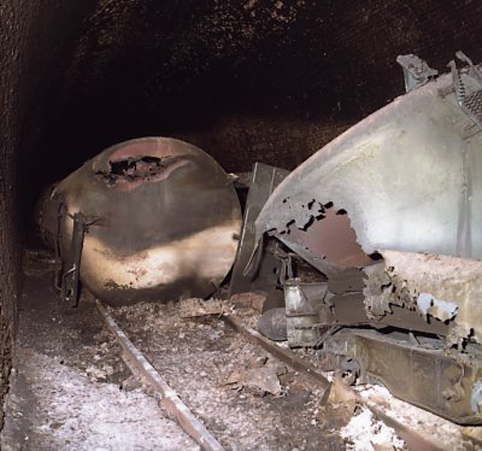
1984: Summit Tunnel burns
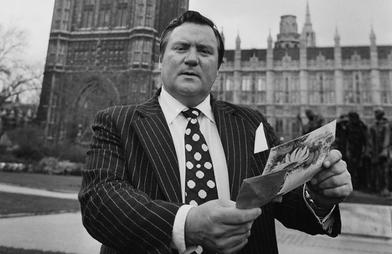
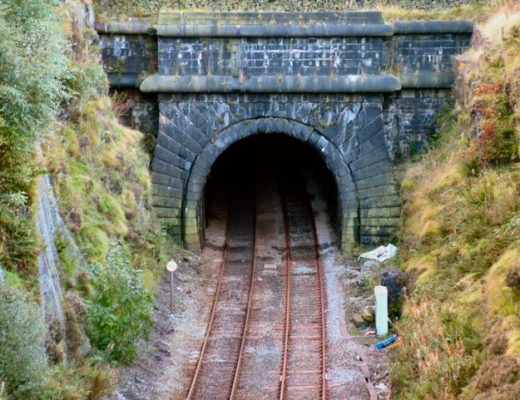
On December 20, 1984, a dangerous goods train passing through the Summit Tunnel on the Greater Manchester/West Yorkshire border, caught fire on the rail line between Littleborough and Todmorden, England. The tunnel, which is 2 638m in length, was built in 1840-41. Twelve of the 14 construction shafts, at intervals of approximately 200m were left open to help vent smoke and steam from the locomotives that passed through it. The incident was one of a series of railway accidents during 1984, coming only days after the fatal collision between an express passenger train and a train of fuel oil tankers at Eccles, Greater Manchester on December 4. One day earlier on December 3 a train guard had been killed after a collision between a diesel multiple unit and parcels vans at Longsight also in Manchester. This third serious railway accident in the North West of England in less than three weeks led the Littleborough and Saddleworth MP Geoffrey Dickens to call for an inquiry into railway safety, in particular with respect to the conveyance of dangerous chemicals such as those involved in the accidents at Eccles and Summit Tunnel.
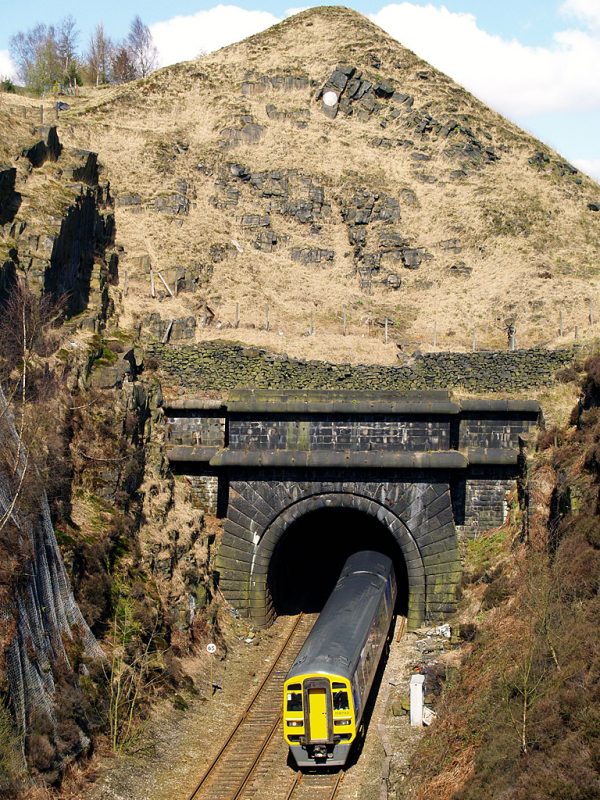
The train involved was the 01:40 freight train from Haverton Hill, Teesside to Glazebrook oil distribution terminal in Merseyside. It was formed by class 47 diesel locomotive 47 125 and thirteen tankers. At 05:50 on 20 December 1984, the train, carrying more than 1 000 000 litres of four-star petrol in thirteen tankers, entered the tunnel on the Yorkshire (north) side travelling at 40 miles per hour (64 kmh). One-third of the way through the tunnel, a defective axle bearing (journal bearing) derailed the fourth tanker, which caused the derailment of those behind. Only the locomotive and the first three tankers remained on the rails. One of the derailed tankers fell on its side and began to leak petrol into the tunnel. Vapour from the leaking petrol was probably ignited by the damaged axle box. The three train crew members could see fire spreading through the ballast beneath the other track in the tunnel, so they left the train and ran the remaining mile to the south portal (where they knew there was a direct telephone connection to the signalman) to raise the alarm.
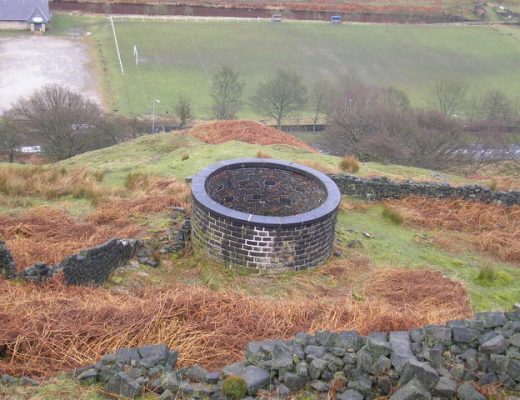
Crews from Greater Manchester Fire Brigade and West Yorkshire Fire Brigade quickly attended the scene. Co-ordination between the brigades appears to have worked well, perhaps because they had both participated in an emergency exercise in the tunnel a month before. The train crew were persuaded to return to the train, where they uncoupled the three tankers still on the rails and used the locomotive to drive them out. Greater Manchester fire brigade then loaded firefighting equipment onto track trolleys and sent a crew with breathing apparatus (BA) in to begin their firefighting operation at the south end of the train. They also lowered hoselines down one of the ventilation shafts to provide a water supply. At the same time, crews from West Yorkshire fire brigade entered the tunnel and began fighting fires in the ballast at the north end of the train.
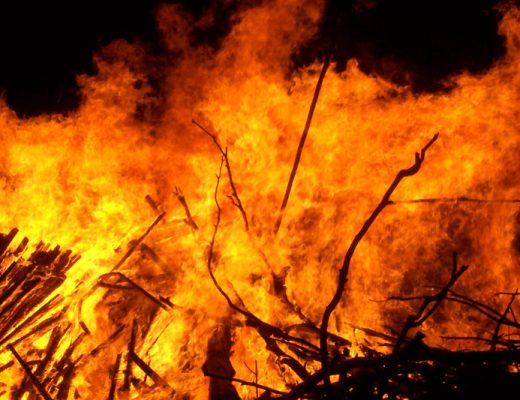
However, at 9.40am, the pressure in one of the heated tankers rose high enough to open its pressure relief valves. The vented vapour caught fire and blew flames onto the tunnel wall. The wall deflected the flames both ways along the tunnel, and the bricks in the tunnel wall began to spall and melt in the flames. The BA crews from both brigades decided to evacuate. They managed to leave just before the first explosion rocked the tunnel. Left to itself, the fire burned as hot as it could. As the walls warmed up and the air temperature in the tunnel rose, all 10 tankers discharged petrol vapour from their pressure relief valves. Two tankers melted (at approximately 1 530 °C or 2 790 °F) and discharged their remaining loads.
The fuel supply to the fire was so rich that some of the combustibles were unable to find oxygen inside the tunnel with which to burn; they were instead ejected from vent shafts 8 and 9 as fuel-rich gases that burst into flame when they encountered oxygen in the air outside. At the height of the fire, pillars of flame approximately 45 metres (148 ft) high rose from the shaft outlets on the hillside above. The gases are estimated to have flowed up these shafts at 50 metres per second (110 mph). Air at this speed is capable of blowing around heavy items: hot projectiles made from tunnel lining (rather like lava bombs from a volcano) were cast out over the hillside. These set much of the vegetation on fire, and caused the closure of the A6033 road. In the cleanup operation afterwards, small globules of metal were found on the ground surrounding shaft 9; these had been melted from the tanker walls, swept up with the exhaust gases, and dropped out onto the grass around the top of the shaft.
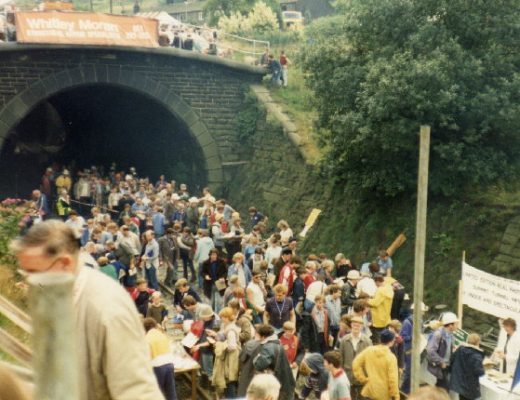
Unable to get close enough to safely fight the fire directly, the fire brigades forced high-expansion foam into ventilation shafts far from the fire. This created blockages that starved the fire of oxygen. By mid-afternoon the next day, the inferno was no longer burning, though the fire was by no means knocked down. Petrol continued to leak from the derailed wagons through the tunnel drainage and ballast and the vapour sporadically reignited when it came into contact with the hot tunnel lining. Two hundred people were evacuated from their homes and workplaces in Walsden in response. They were allowed back home the next day.The brigades continued to fight the fire for another two days, until West Yorkshire Fire Brigade issued the stop message just after 6.30pm on Christmas Eve. Fire crews remained at the site until 7 January 1985.
Most notable historic snippets or facts extracted from the book ‘On This Day’ first published in 1992 by Octopus Publishing Group Ltd, London, as well as additional supplementary information extracted from Wikipedia.
HAVE YOUR SAY
Like the South Coast Herald’s Facebook page, follow us on Twitter and Instagram
To receive our FREE email newsletter, click HERE