Dispose of healthcare waste wisely
Wessa aims to promote public participation in caring for the earth.
THE UPPER South Coast branch of the Wildlife and Environment Society of South Africa (Wessa), one of many membership branches in South Africa, promotes public participation in caring for the earth, one being waste management.
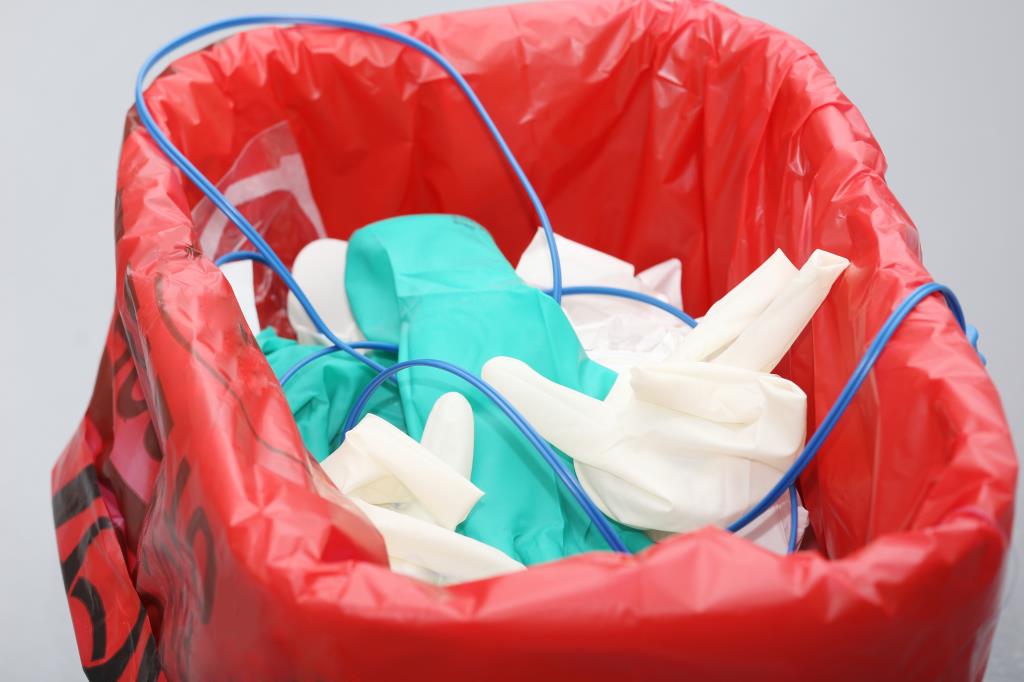
The disposal of waste is an involved topic, governed by regulations which are regularly updated. In this way society is protected from pollution by government action. There are various types of waste, such as Health Care Risk Waste (HCRW).
“We’ve all spent time as a patient in hospital, or are likely to. Have you ever wondered how hospitals dispose of contaminated swabs, bandages, syringes and so on. Firstly, healthcare waste is not mixed with general waste. This entails special containers or sharps (needles, syringes, blades or clinical glass); chemicals and infectious waste among others. The companies who collect this waste, transport it and finally dispose of it, are subject to stringent rules,” said Wessa’s Colleen Gill.
“But what about ourselves, how do you dispose unwanted medicine? Old medication, which include ointments and aerosols are medical waste and pose a danger to other people, animals and the environment. Don’t dispose via the bin or flush down the loo.”
Colleen advised the public to ask their pharmacies, if they accept old medication. “Although they have to pay specialised companies themselves to dispose of expired or contaminated medicines, some pharmacists don’t levy a charge to the public. Sometime during pharmacy week in September, they encourage people to hand in their unused medication and consider it a service to the public. Diabetics who use syringes and needles should discuss disposal methods with their doctor or pharmacist.”
For more information contact Colleen on 076-194-4173.