
Everything you need to know about the common moorhen
Moorhens become tame in urban areas where human interaction is quite common.
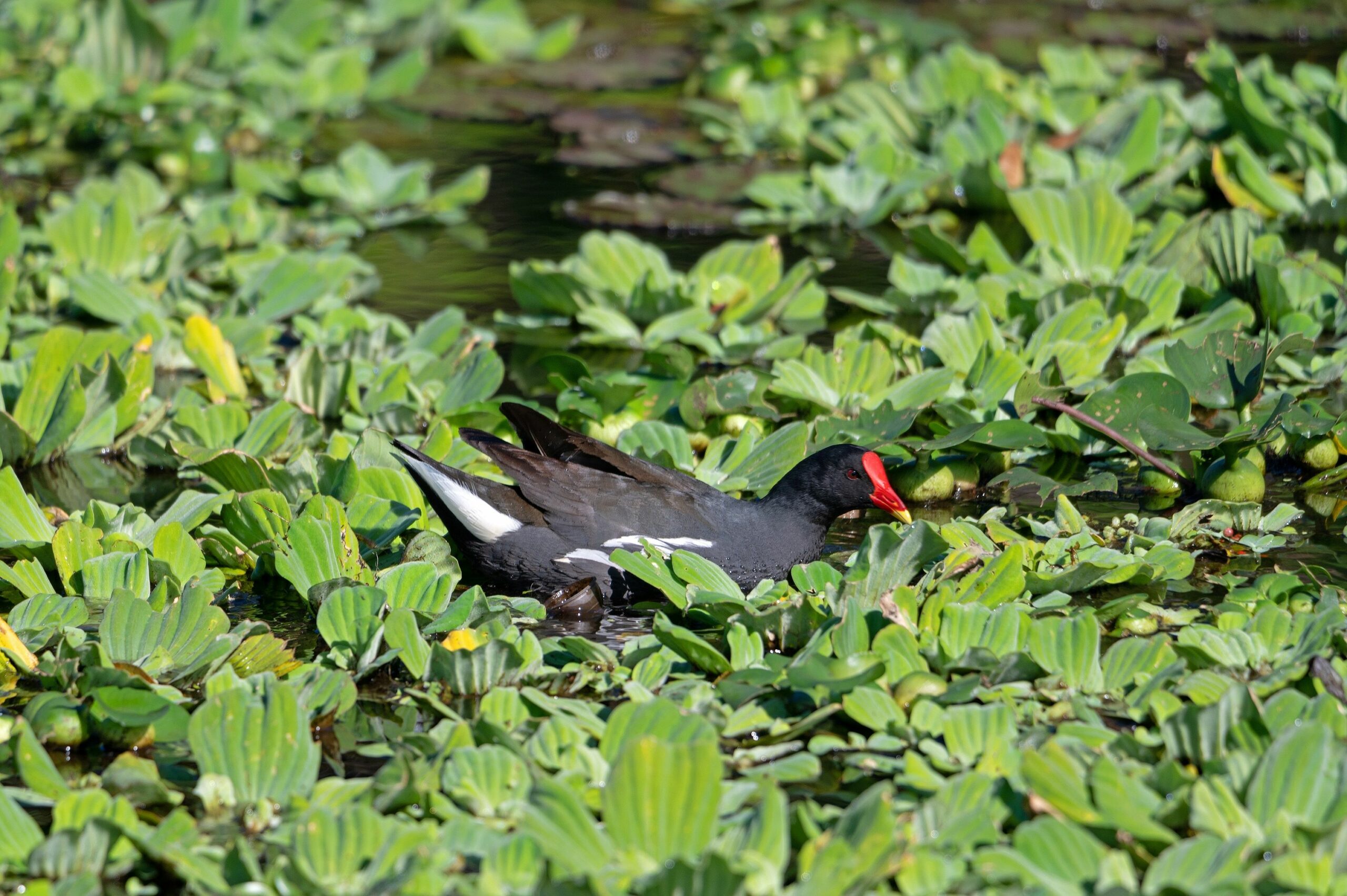
HAVE you ever heard of a common moorhen?
If not, they belong to the rail family of birds and are actually a common species found across much of Africa, Europe and Asia, except for rainforest and very cold areas.
These birds, also known as the water hen or swamp chicken are often seen in clean waterways across Durban.
ALSO READ: Watch: Distressed elephant mom helps calf to stand
The name moorhen comes from old English where moor means marsh. These birds are found in well vegetated marshlands, rivers, ponds and canals. In areas where the water freezes during winter, moorhens are known to migrate.
Moorhens feed on a large variety of plant material, as well as small aquatic creatures. The birds can often be seen foraging besides or in the water, often walking on lily-pads. For the most part they are quick to take cover if a human is around, however, in some parks or gardens they become quite tame.
Outside of breeding season moorhens often form small flocks and get on well with other water birds.
However, male and female moorhens become very territorial during breeding season. They are often seen fighting with other members of the same species and other water birds.
The nest is a basket, built on the ground in dense vegetation, in early spring. Five to eight eggs are laid. The eggs are incubated by both parents and take three weeks to hatch, both parents feed the young. They fledge within about 50 days.
When threatened, the young may climb onto the adults body, after which the adult flies away to safety.
Contact Warren Dick to have some of your interesting spiders, snakes or other wildlife identified. Call or WhatsApp him on 072 211 0353. You can also visit his Facebook page, Warren’s Small World
DID YOU KNOW?
Click on the words highlighted in red to read more on this and related topics. To receive news links via WhatsApp or Telegram, send an invite to 061 694 6047.

Do you have more information pertaining to this story? Feel free to let us know by commenting on our Facebook page or you can contact our newsroom at 031 903 2341 and speak to a journalist.
(Comments posted on this issue may be used for publication in the Sun)