
CHOC puts its best foot forward for Flip Flop Day
Help CHOC provide much-needed assistance to young cancer patients by supporting its upcoming Flip Flop Day event.
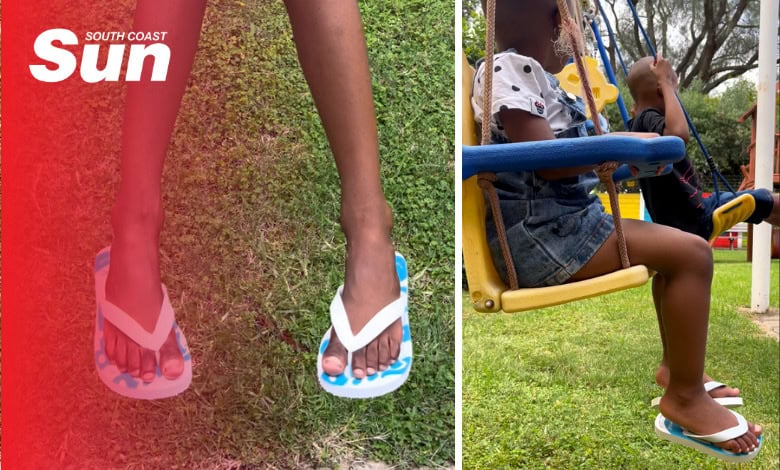
SOUTH Africans are encouraged to put their best foot forward for children and teenagers diagnosed with cancer as Flip Flop Day returns on February 20.
Also read: Rotary Club of Amanzimtoti takes aim at bullying
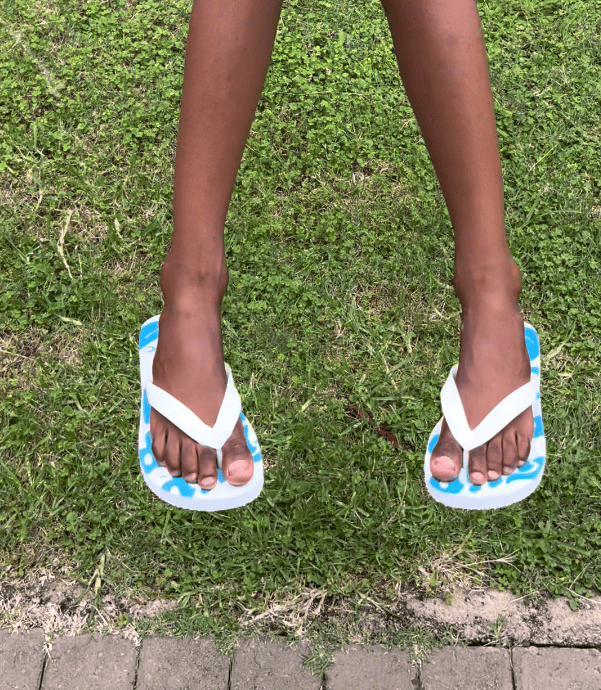
Led by Childhood Cancer Foundation South Africa (Choc), Flip Flop Day is a national fundraising and awareness campaign inviting individuals, schools and workplaces to purchase a R10 Flip Flop Day sticker and wear their flip flops in solidarity with families affected by childhood cancer.
CHOC CEO Hedley Lewis said the fun campaign carries the serious message that no family should have to walk the childhood cancer journey alone.
“A small action, like purchasing a R10 sticker, enables Choc to provide practical, emotional and educational support to children, adolescents and their families when they need it most,” said Lewis.
Whatever funds are raised through Flip Flop Day enables Choc to continue delivering vital services, including safe accommodation near treatment centres, transport assistance, psychosocial support and educational programmes that help childhood cancer patients to continue learning during treatment.
Publicist Taryn Seegers explained that this year’s Flip Flop Day emphasises friendship and shared participation, encouraging people to get involved together as colleagues, classmates, families or communities.
How to get involved:
- Purchase a Flip Flop Day sticker for just R10 from CHOC or Tekkie Town nationwide
- Wear your stickers and flip flops on February 20
- Encourage friends, colleagues and communities to join
- Share your photos, tag CHOC, use #FlipFlopDay26 and help spread awareness
“When just 20 friends purchase a Flip Flop Day sticker, it helps cover the average monthly transport cost for a child to travel to and from treatment. When 30 get involved, a CHOC Care bag is funded, which every newly diagnosed child or teenager receives. These care bags contain essential items such as toiletries, as well as a parent handbook designed to help families understand and prepare for the childhood cancer journey. When 60 people take part, it can cover one night of accommodation for a child or teenager and their caregiver at a CHOC House, providing a safe, hygienic room and meals, free of charge,” said Seegers.
For more information or to get involved, visit www.choc.org.za.

Do you have more information pertaining to this story? Feel free to let us know by commenting on our Facebook page or you can contact our newsroom on 031 903 2341 and speak to a journalist.