Business chamber warns over water increases
To address the massive loss of water worth R4.9b over the past three years, the City has appointed engineer Vishal Poona to tackle the problem.
ETHEKWINI Municipality’s Trading and Services Committee has released its water and sanitation performance report for March, painting a picture of a vast but strained system, and prompting criticism over proposed tariff increases.
Also read: Water woes continue during Water Month
The report, tabled after a meeting on April 23, shows that the City manages an extensive water network spanning 14 469km, alongside an 8 600km sewer network. This includes 30 wastewater treatment works, two sea outfall pipelines and 255 wastewater pump stations. To support supply, the municipality operates 361 water storage facilities and 33 water pump stations strategically located across most areas.
In informal settlements, services are provided through 1 633 community ablution blocks, each catering to about 50 households. These facilities, which include toilets, showers and washing areas, exceed the minimum requirements set by the World Health Organisation for water standpipes.
The report indicates that 984 942 households have access to water, including 630 565 indigent households. Sanitation services reach 891 990 households, of which 508 146 are indigent.
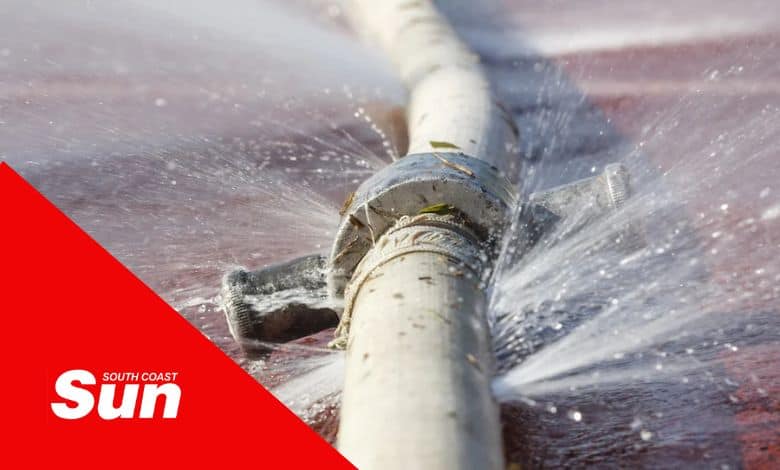
Operationally, the Water and Sanitation Directorate addressed 3 057 sewer blockages, 9 441 customer-reported leaks, 7 516 operational leaks and 957 burst pipes in February, all within 48 hours of being reported.
Acting director, Sibusiso Vilane, said water quality remains compliant with national standards.
Also read: Water woes continue during Water Month
“All water supply systems are tested in accordance with SANS 241 requirements. A full chemical analysis is conducted, and any non-compliance is investigated and resolved within 24 hours in line with internal standards,” said Vilane.
However, the report comes amid growing concern over proposed tariff hikes. The municipality plans to increase residential water tariffs by 15% and business tariffs by 16%. At the same time, the City has acknowledged that 53% of its water is lost due to leaks and illegal connections, a figure that has drawn sharp criticism.
To address the massive loss of water worth R4.9b over the past three years, the City has appointed engineer Vishal Poona to tackle the problem.
Palesa Phili, CEO of the Durban Chamber of Commerce and Industry, said the increases were unjustifiable given the current state of service delivery and the broader economic climate.
“The proposed tariff increases exceed inflation and will significantly raise the cost of doing business in Durban. This undermines the City’s competitiveness and could drive businesses to invest elsewhere,” said Phili.
She added that tariffs should instead be reduced to support economic growth and ease pressure on struggling businesses.
For more South Coast Sun news, follow us on Facebook, Twitter and Instagram. You can also check out our videos on our YouTube channel or follow us on TikTok.
Subscribe to our free weekly newsletter and get news delivered straight to your inbox.

Do you have more information pertaining to this story? Feel free to let us know by commenting on our Facebook page or you can contact our newsroom on 031 903 2341 and speak to a journalist.