Seal rescued from Amanzimtoti begins new journey
When he was rescued, the young seal was tired and disoriented as he was a long way from the cold waters of the Western Cape.
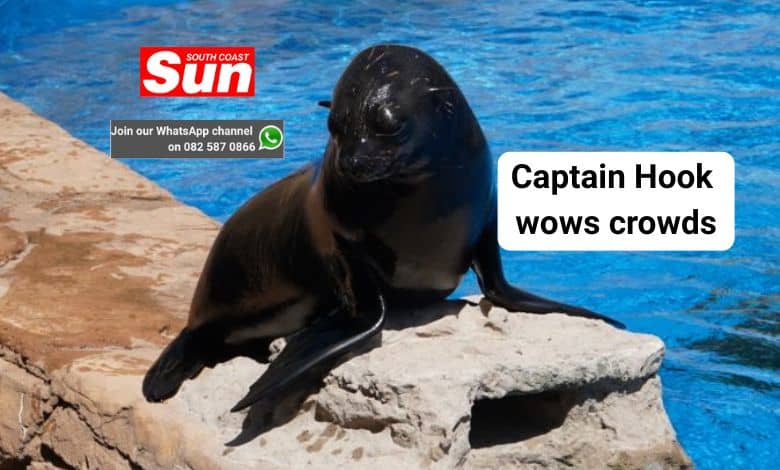
THE two Cape fur seals that were rescued in Amanzimtoti in July and November are thriving after undergoing rehabilitation at the South African Association for Marine Biological Research (Saambr).
Also read: Another Cape fur seal spotted in Amanzimtoti
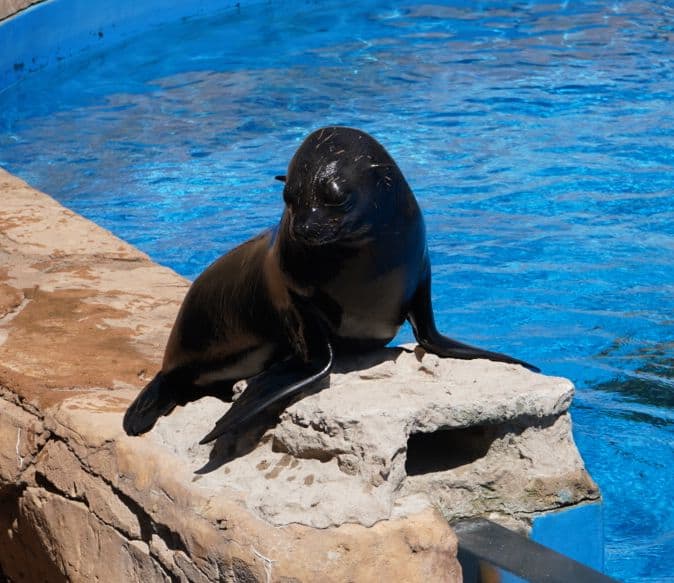
Captain Hook, who was rescued at the Amanzimtoti Main Beach in July, made his first stage appearance at the beginning of December, in front of a large, enthusiastic audience at Ushaka Sea World in Durban.
When he was rescued, the young seal was tired and disoriented as he was a long way from the cold waters of the Western Cape. He was taken in by Saambr and underwent a series of tests, which revealed that he had several fishing hooks lodged in his mouth and face as a result of stealing bait from fisherfolk. This earned him the name Captain Hook.
While most of the hooks were successfully removed, one stubborn hook remained. In a statement, Saambr said a veterinary assessment later revealed that this hook, originally lodged in his oesophagus, had migrated to a safer position in a shoulder muscle.
“The decision was made that it was in Captain Hook’s best interest not to operate,” it said.
When authorities determined that he could not be released back into the wild, he was given a permanent home at uShaka Sea World.
His personality has been described as curious, playful, and irresistibly cute, which endeared him to the spectators when he made his debut stage appearance.
Another Cape fur seal, which has been named Jace, that had been rescued in Amanzimtoti in November, has been flown to Gqeberha, where he will complete his rehabilitation. When he was rescued, Jace was severely underweight and weak, weighing only 9kg. He has since gained 4kg and was deemed strong enough for the transfer.
The public is warned to never approach stranded seals, no matter how small or harmless they look, as they can carry rabies.

Do you have more information pertaining to this story? Feel free to let us know by commenting on our Facebook page or you can contact our newsroom at 031 903 2341 and speak to a journalist.