
Amanzimtoti toddler recovering from autoimmune disorder
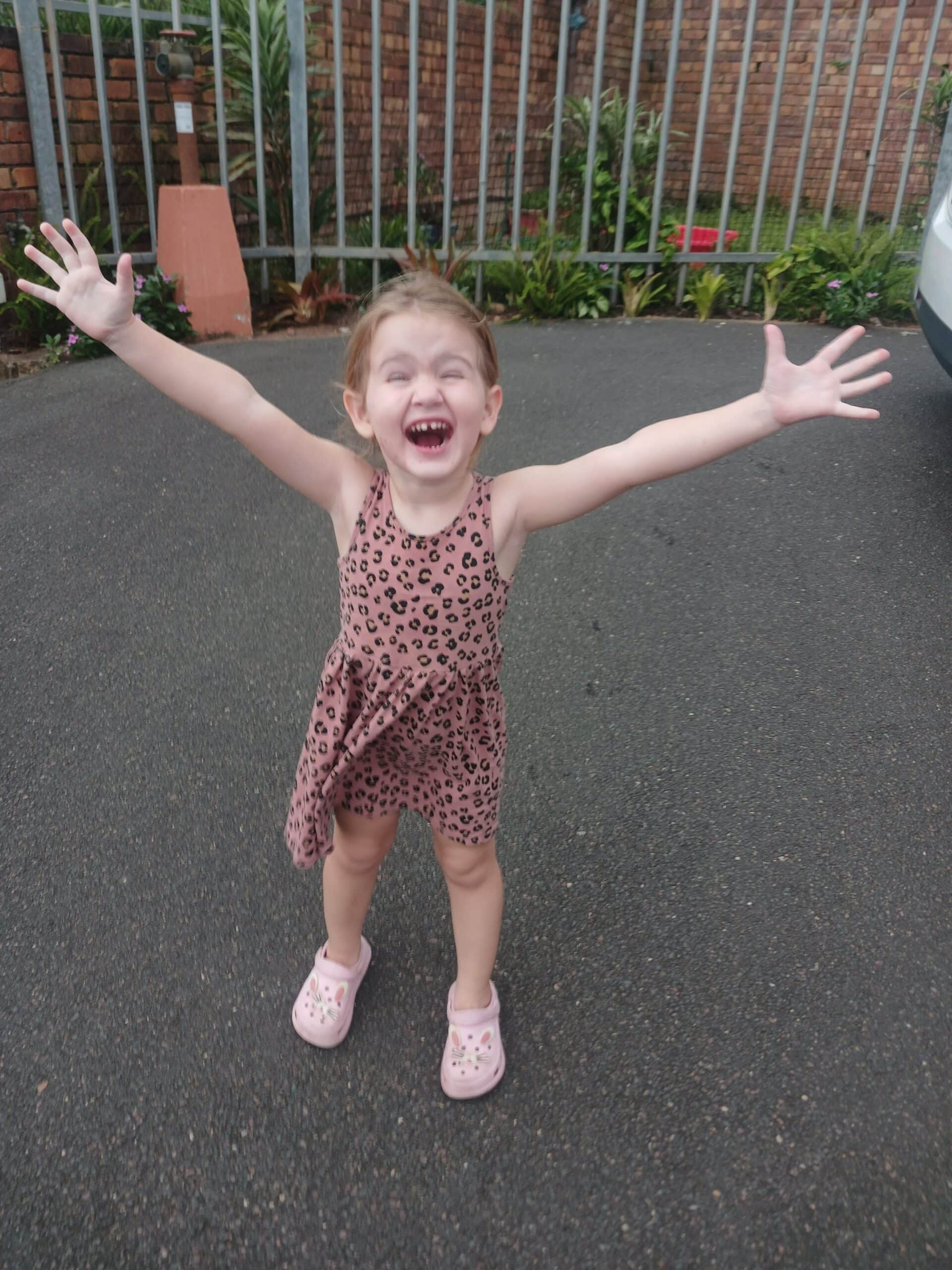
On the road to recovery from a rare illness is a strong and inspiring little girl who, despite her situation, still spreads joy and laughter.
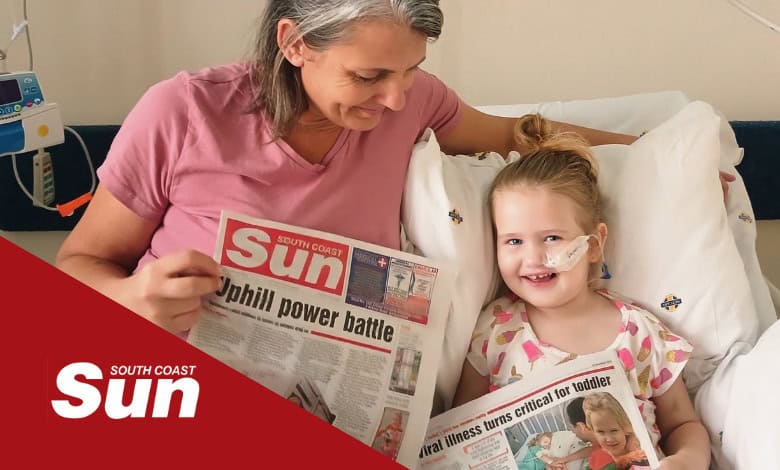
SLOWLY but surely, little Olivia Pretorius, who was diagnosed with a rare illness in November last year, is making progress along her road to recovery.
Also watch: Energetic Toti toddler suffers sudden autoimmune disease [Video]
Olivia was diagnosed with Acute Disseminated Encephalomyelitis (ADEM), a rare, immune-mediated inflammatory condition of the central nervous system, which was triggered after she battled a viral infection. ADEM most commonly occurs in children and causes widespread inflammation in the brain and spinal cord, leading to sudden neurological symptoms such as loss of motor function, impaired speech, reduced consciousness, and feeding difficulties.
Her mother, Romé Momberg, expressed how deeply grateful she is that her little girl is recovering. She explained that Olivia’s recovery has been physically, emotionally and mentally demanding, making for an arduous journey.
How it all started
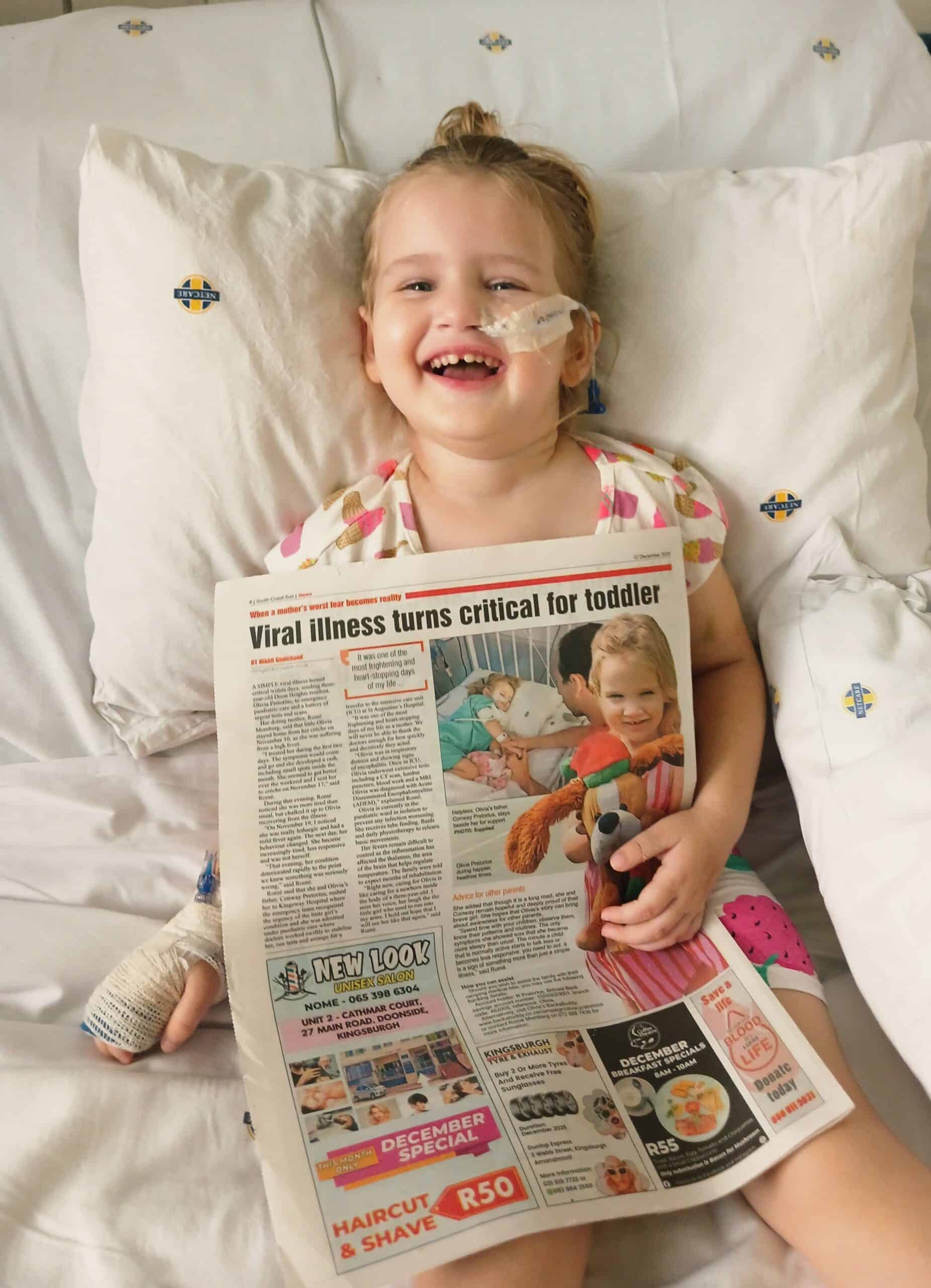
On November 19 last year, Olivia was rushed to a local hospital where she was admitted under paediatric care. Doctors worked quickly to stabilise her, run tests and arrange for a transfer to the intensive care unit at St Augustine’s Hospital.
After weeks of treatment and monitoring, Olivia was discharged in time for Christmas.
“That time, however, was bittersweet. The week between Christmas and New Year’s usually passes in a blur but this time it felt like one long, unrelenting day. In reality, it was the hardest week of my life. Olivia came home with a nasogastric feeding tube, and suddenly I was responsible for her care, administering feeds, monitoring her temperature, and watching closely for any sign of deterioration. Having her home was comforting, but it was also terrifying. The safety net of medical staff just down the passage was gone,” said the mother of three.
Compounding this was the timing as most paediatricians and therapists were closed over the festive period. Momberg said she had questions she did not yet know how to ask.
Progress despite the odds
With January coming to a close, Olivia is making encouraging progress. She attends speech therapy once a week and physiotherapy once every three weeks.
Momberg said that keeping her diagnosis in mind, her physiotherapist was impressed with Olivia’s level of independence. She will not be returning to crèche in the near future, partly due to her ongoing recovery and partly because her immune system remains vulnerable while she is still on steroid treatment.
“Emotionally, there are ups and downs. She becomes frustrated when her tremor, particularly in her left hand, interferes with tasks she knows she should be able to do. Her speech is improving, but when words don’t come easily, that frustration surfaces. It is difficult as a parent to watch your child struggle. I am not sure I have fully processed everything that has happened, but I have found my footing enough to function, to plan, and to care for her daily,” said Momberg.
She added that she remains cautious about public spaces due to the risk of secondary infections and she is haunted by a lingering fear of Olivia ending up back in the hospital.
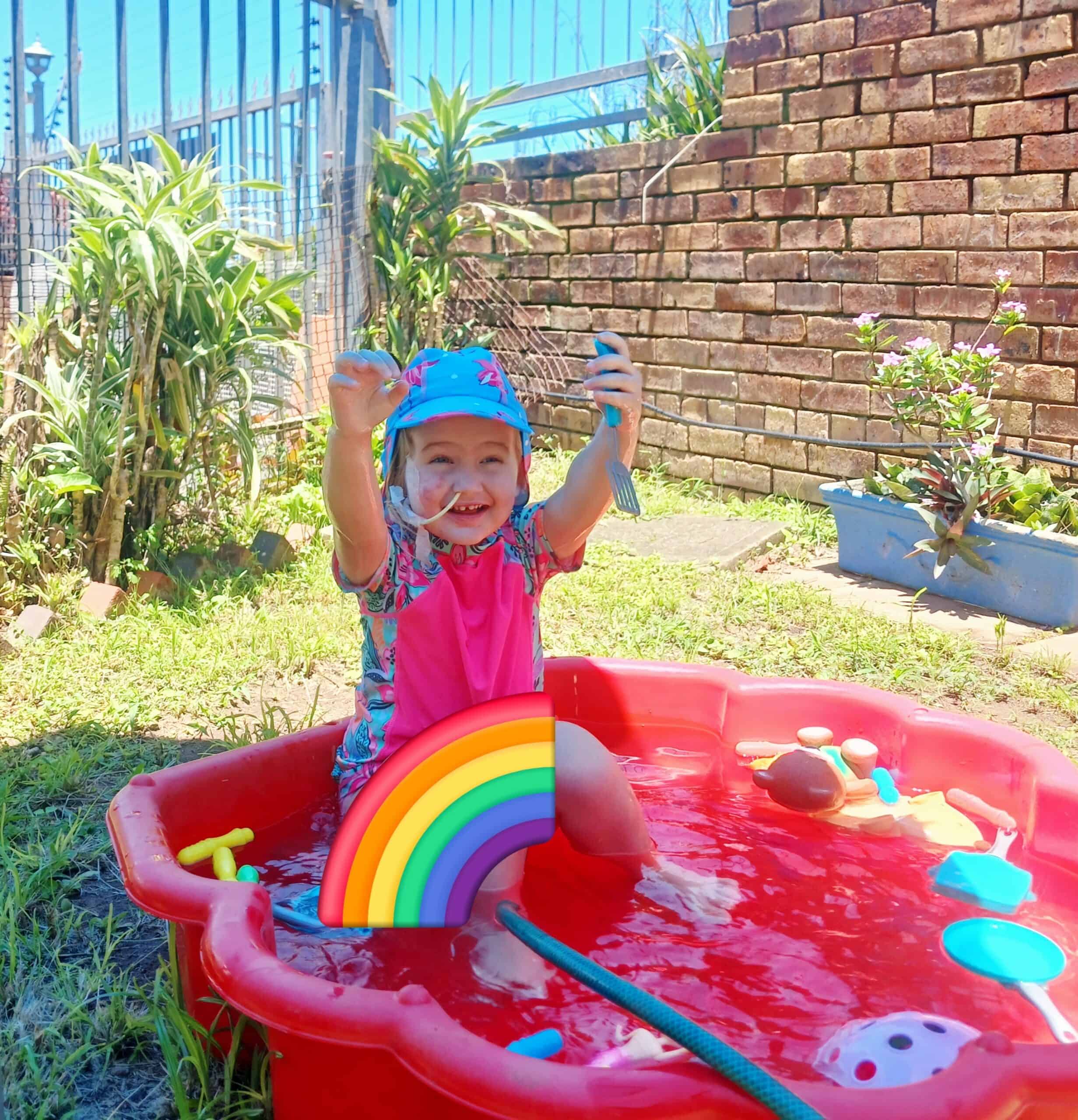
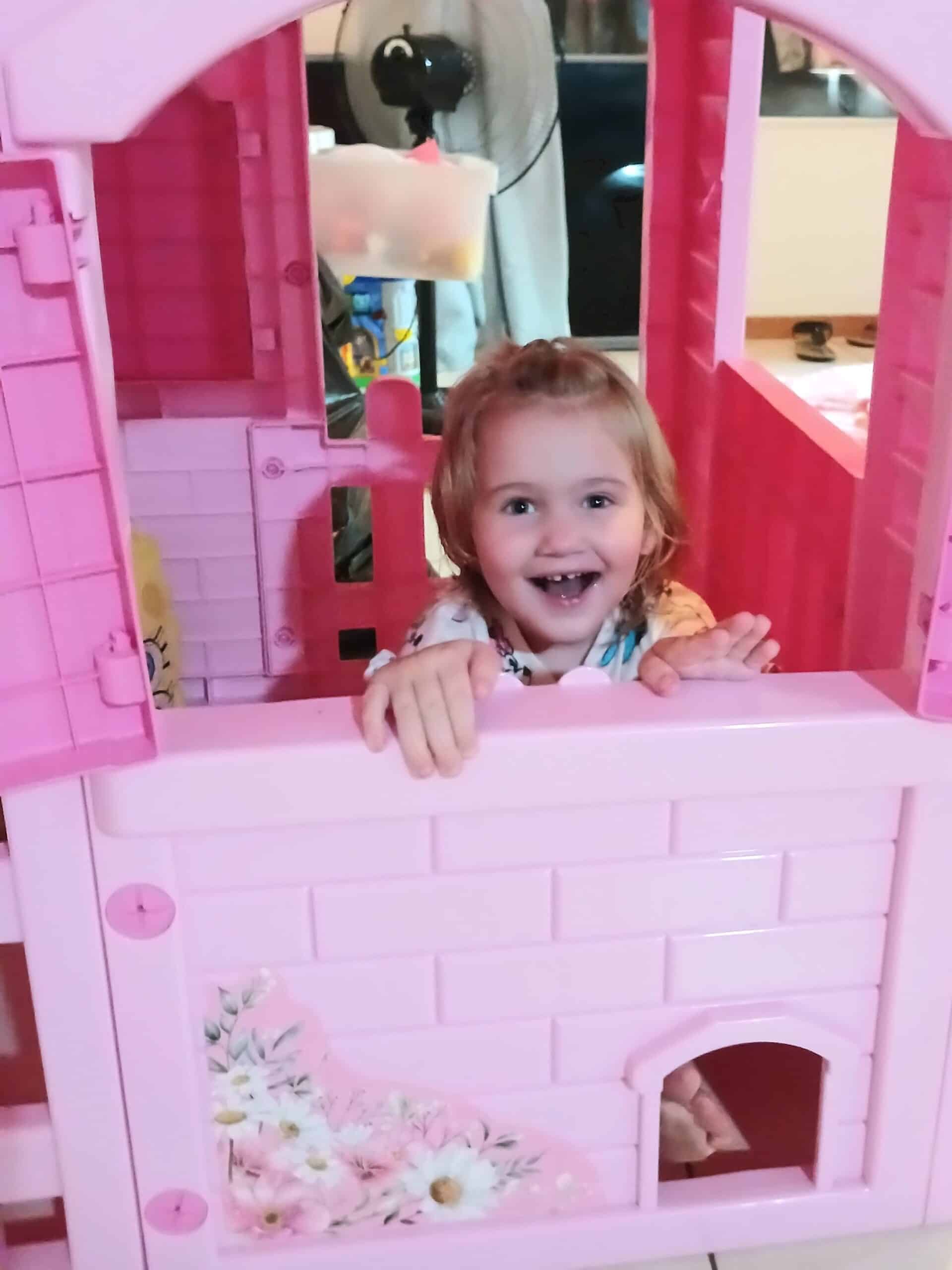
“Despite all of this, Olivia is enjoying being home with her brothers. There is laughter again, routine slowly returning, and moments of normal childhood joy that I no longer take for granted. My focus is also beginning to shift outward, toward supporting other parents who have reached out for guidance, encouragement, or simply reassurance. If sharing our journey can help even one family feel less alone on a difficult day, then Olivia’s story serves a purpose beyond our own,” concluded Momberg.

Do you have more information pertaining to this story? Feel free to let us know by commenting on our Facebook page or you can contact our newsroom on 031 903 2341 and speak to a journalist.