

Elderly Rosettenville man dies after brutal home invasion leaves couple shattered
An elderly Rosettenville couple endured a violent home invasion that left both seriously injured, with the husband later dying from his wounds weeks after the attack.
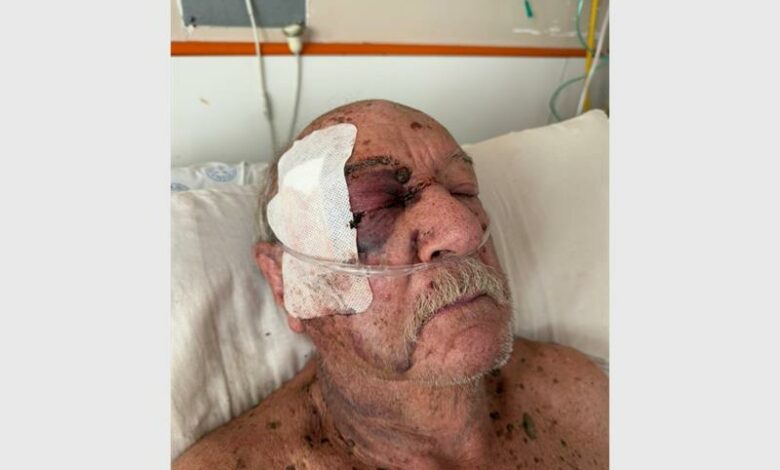
An elderly Rosettenville couple were violently attacked during a home invasion in the early hours of May 7, an incident that left both of them severely injured and triggered widespread community support.
The attack ultimately resulted in the death of the husband on June 5 after weeks of hospital treatment.
The couple had lived in the same residential building for about eight years and had been settled in their flat since 2020.
Family members said they had built a quiet and stable life there, surrounded by familiar neighbours and supported by their local church community.
That sense of security was shattered in a matter of minutes when intruders forced their way into the home at approximately 03:45 and launched an assault before fleeing with stolen belongings.
Brutal early morning attack
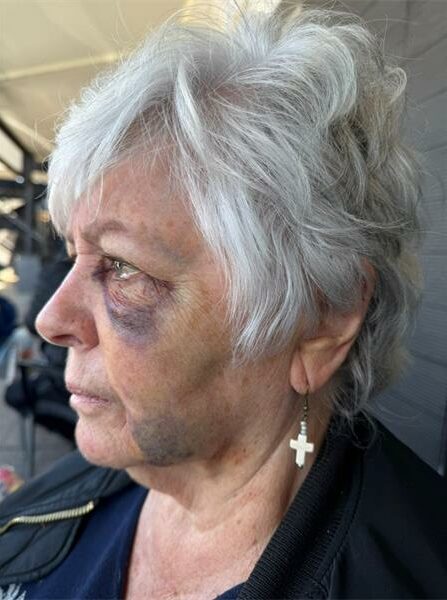
During the invasion, the elderly woman was struck on the head with a crowbar, causing a deep laceration, concussion and heavy bruising.
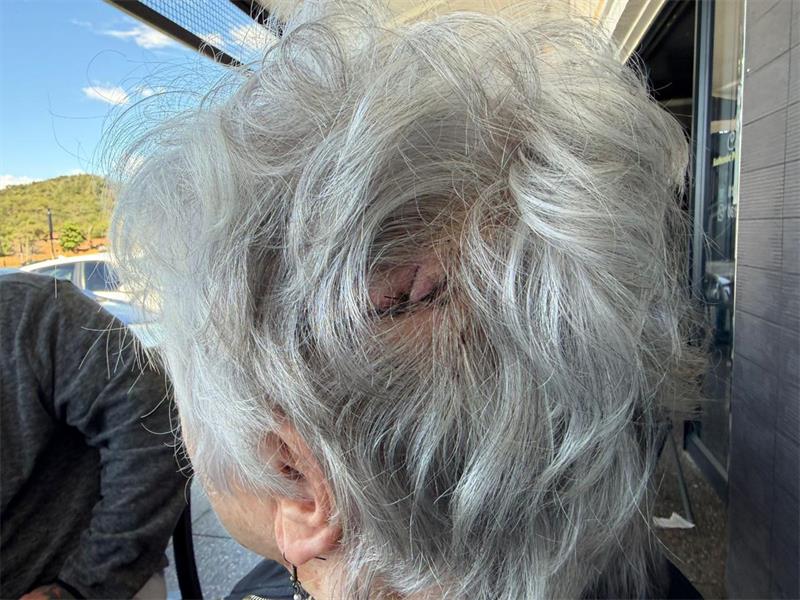
The attack left her disoriented and in shock, requiring urgent medical attention. She was later treated in the hospital and discharged to recover at home, though she continued to experience dizziness and lingering effects from the head injury.
Her husband, also in his 80s, suffered far more critical injuries. He was stabbed multiple times in the head, chest and stomach during the attack.
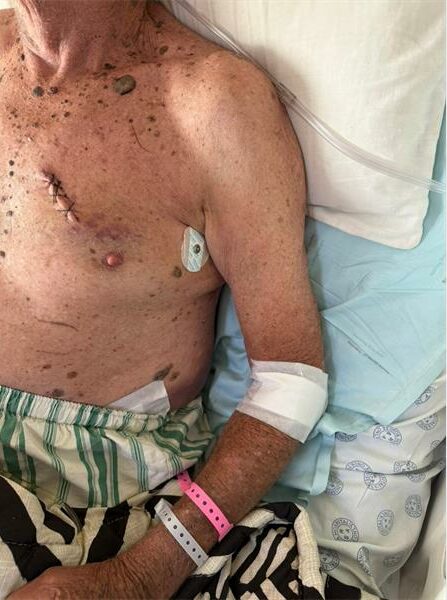
One of the stab wounds severely damaged his eye, and he also sustained a collapsed lung. Emergency responders rushed him to the hospital in a critical condition, where he underwent extensive scans and stabilisation before being prepared for multiple surgical interventions.
Their son, Jason Firmani, described the severity of the situation. “My mom had a bad head wound and a bruised cheek. My dad was stabbed multiple times and has a collapsed lung,” he said, reflecting the immediate uncertainty the family faced in the hours after the incident.
Emergency treatment and difficult recovery
Doctors worked to stabilise both victims in the aftermath of the assault. The wife responded to treatment for her head injury and was eventually discharged, but continued to struggle with dizziness, swelling and trauma-related symptoms.
Family members described her recovery as slow and emotionally difficult, as she came to terms with the violence that had taken place inside her home.
The husband’s condition remained far more serious. Medical staff confirmed that the damage to his eye was irreparable, and preparations were made for its removal.
“Unfortunately, the damage to his eye was severe, so they had to remove his eye, and he required further surgery for the stab wounds and collapsed lung,” Jason said.
At one stage, doctors were also concerned about the possibility of severe internal abdominal injury. The family later explained that initial assessments had suggested a far more critical situation, although subsequent scans indicated that some of the suspected internal damage was not as severe as first feared.
Despite this, his condition remained life-threatening, and he required ongoing intensive care.
Concerns raised over emergency response
In the days following the attack, the family expressed concern about aspects of the emergency response and the handling of the case by public services.
They expressed frustration with ambulance arrival delays and felt there was a lack of urgency in parts of the initial response.
They also voiced disappointment with Moffat View SAPS, stating that statements were not taken with the urgency they expected after such a violent incident.
According to the family, this added further stress at a time when they were already dealing with medical emergencies and emotional shock.
The concerns highlighted broader frustrations about the strain on public health and emergency systems, particularly in high-pressure trauma situations where rapid response can be critical.
Neighbour’s intervention and community support
Amid the trauma, the family repeatedly emphasised the importance of one neighbour’s quick thinking during the attack.
During a later visit by Comaro Chronicle / Southern Courier, the couple expressed deep gratitude to the neighbour who had banged on the front door, attempting to get into the house, during the invasion.
That action startled the attackers, who then fled the scene, bringing the assault to an end.
The family said they believed this intervention likely prevented even more serious harm. It was described as a decisive moment that disrupted the attack and gave the victims a chance to survive.
Support from the wider community also played a significant role in the weeks that followed. The couple expressed heartfelt appreciation for their church, St John Paul II Catholic Community, which provided prayers, emotional support and practical assistance during their recovery.
The church community assisted with daily needs and offered comfort as the family navigated the aftermath of the violence.
The family also thanked Netcare 911 for their response on the day of the incident, saying that emergency personnel played a crucial role in stabilising both victims and ensuring they were transported to the hospital for urgent care.
Jason Firmani also expressed gratitude to the public for their messages and prayers during the crisis.
“Thank you, everyone, for all your prayers for my folks,” he said, acknowledging the support that had poured in during a deeply difficult time.
A family already dealing with loss
The trauma of the attack was compounded by an earlier tragedy in the family. The couple had lost their daughter only months before, following a prolonged illness.
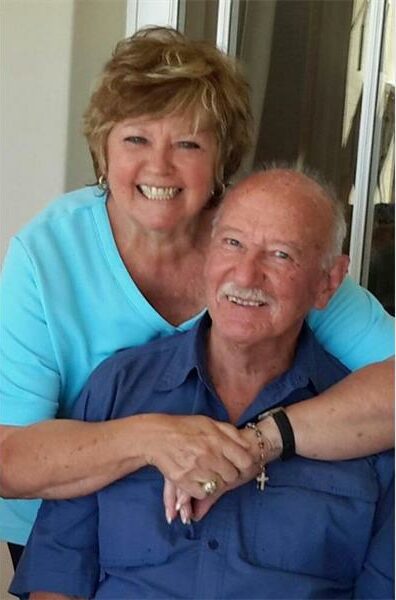
Relatives said the elderly pair had devoted themselves fully to her care during her illness, providing constant support despite emotional and financial strain.
Family members described them as selfless individuals who had always prioritised others, even when facing their own hardships.
The home invasion, therefore, came at a time when they were already emotionally vulnerable and still grieving.
Death of the husband and ongoing grief
Despite weeks of intensive medical treatment, the husband’s condition continued to deteriorate following the attack. He succumbed to his injuries on June 5, bringing a tragic end to a prolonged struggle for survival.
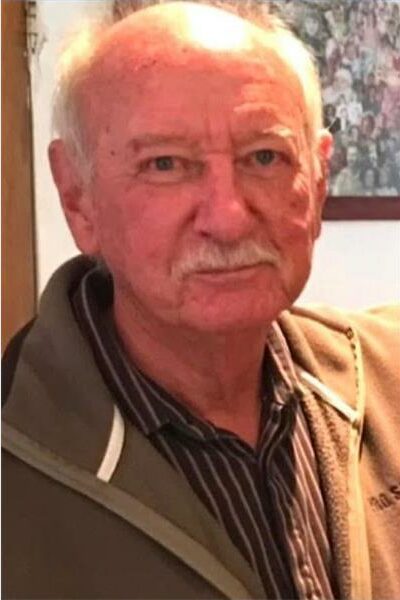
The family confirmed his passing as that of Albie Firmani, describing him as a devoted husband, father and grandfather whose life had been defined by kindness, humility and unwavering love for his family.
His death has left a deep void in the lives of those closest to him, particularly his wife, who had survived the attack but was left to cope with both physical recovery and overwhelming emotional loss.
His passing transformed what was already a traumatic incident into a case of long-term grief and devastation for the family. What remained was a widow recovering from her injuries, a family mourning a profound loss, and a community reflecting on the fragility of safety for elderly residents living independently.
The incident continues to raise difficult questions around emergency response, policing, and the protection of vulnerable residents, while the Firmani family focuses on healing and remembering a life they say was taken too soon.
ALSO READ: Man killed in Glenvista home invasion, police launch murder probe