
Five demands to reduce load shedding burden
The topics of the meeting, hosted by the South Durban Community Environmental Alliance (SDCEA) at the Austerville community hall, were load shedding, tariff hikes, renewable options and impacts on the communities.
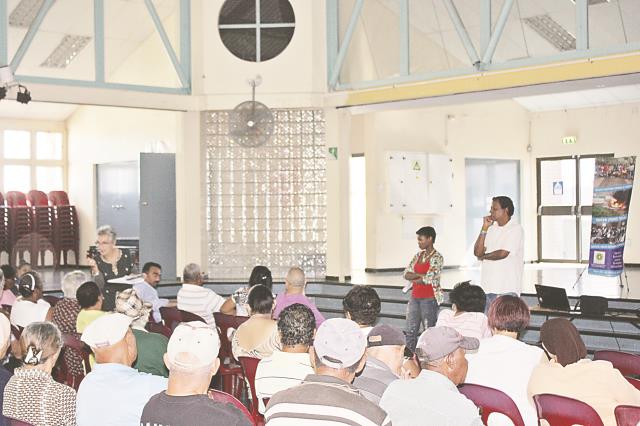
FED up South Durbanites have five demands for Eskom and the municipality, following an energy meeting in Wentworth on Friday, 15 May.
The topics of the meeting, hosted by the South Durban Community Environmental Alliance (SDCEA) at the Austerville community hall, were load shedding, tariff hikes, renewable options and impacts on the communities.
Following much heated conversation, the gathering decided a list of demands will be issued to the relevant authorities. Failing response or action, they plan to petition and inundate authorities with complaints. The list of five demands is as follows:
- Residential and commercial areas need a new, fair distinction on the load shedding timetable.
- All mainly residential areas should share load shedding across all times.
- Smaller, suburban commercial areas should have load shedding at night.
- Not all neighbouring areas should be without electricity at the same time.
- As a last resort, if the schedule will not be changed, commercial blocks should also experience night-time load shedding.
The reasons for these demands were made clear when panellists spoke about the schedule, tariff hikes and the cost to residents. According to SDCEA, community members at the meeting said electricity problems had led to job losses, children unable to go to school, unhealthy eating and an increase in crime.
“People are cutting their energy use and are experience load shedding, but are still receiving unaffordable, high electricity bills,” complained SDCEA co-ordinator, Desmond D’Sa, as he spoke about further possible tariff increases.
“Eskom is not giving people a chance to speak against the tariff increases. Eskom were originally awarded an 8% increase. This was increased without public participation to 12.69%. Now they want another 12.61% to make a total increase of 25.3%. People cannot afford this. They cannot afford electricity even at the current rate. They are already struggling to pay the bill.
The municipality makes this worse because it bills people on the basis of estimated use of electricity. We need people to mobilise now as we have a short period of time before the tariff increases are enforced,” he said.
SDCEA communication and project officer, Noluthando Mbeje called for renewable energy options to be considered as viable alternatives. She and the attendees said they support the eThekwini municipality’s proposal of individual power generators feeding their unutilised energy into the grid and called for subsidies or incentives for installing household renewable energy devices.
SDCEA volunteer, Louise Colvin then discussed the current load shedding schedule and its disparities. Most of the areas listed as commercial are in fact predominantly residential, she claims. “ So Durban, including Durban North, Westville, Umhlanga and Amanzimtoti only experience load shedding during the day, while the rest have the far greater inconvenience of evening and early morning power cuts.
This ‘residential’ block is made up of all the outlying areas, which includes among others all the townships, Chatsworth, Phoenix, Inanda, Newlands and all of South Durban. Although it may not have been planned, it smacks of discrimination – as it is yet again, in the main, the poor and working class communities that are paying the price (with some exceptions, such as the Highway suburbs).
Since the beginning of May, Eskom is only load shedding at peak evening times, not because they cannot provide the power, but to save costs as current supplementary power supply is highly expensive. That means residential areas are the only ones currently experiencing power cuts, which regularly go from no load shedding during the day to stage 2 (or more) almost nightly.
Musgrave and similar areas will only have a couple of hours of load-shedding over the weekend, while South Durban will have it every night of the week and sometimes for four hours in a day. Merewent and Merebank and possibly more communities are experiencing long delays before power is restored from 30 minutes up to three hours.
We should not accept this injustice, especially when we are told this is fairer and causes the least inconvenience to fewer people. This has to be rectified,” said Colvin.

(Please note: Comments posted on this issue may be used for publication in the Sun)