
Scratching to find solution to itchy problem
Members from various relevant departments gathered in an effort to address the ongoing mosquito issue in Fynnland.
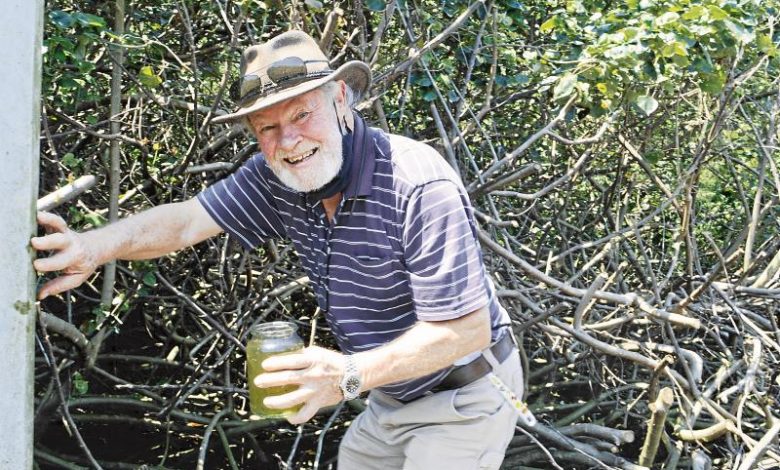
AFTER months of desperate outcries from Bluff residents regarding a mosquito infestation in Fynnland, a site meeting was held. Members from various relevant departments gathered in an effort to address the issue.
“Upon arrival at the source of the sewer system issue previously documented and fixed by the eThekwini waste and sanitation department, it became very obvious that we were dealing with a lot more than some stagnant and polluted water bodies that needed spraying,” said ward 66 committee member, Zoe Solomon.
During the site visit, a departmental official arrived and immediately took serious and deliberate measures to solve the problem. This includes the waste department fixing the water leak, replacing the antiquated sewer drain and the removal of the tree and root system in the area.
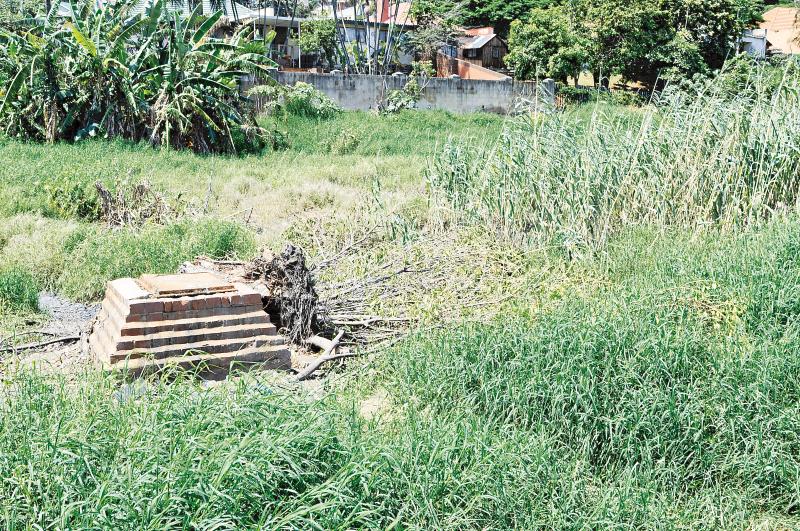
“The brick structure will be replaced by a modern concrete ring system. Once the flow is stemmed, the health department will tackle the spraying and resolve to do so weekly. As far as public participation goes, we need access to the site from Goutsdberg Road and I will visit residents to ask for assistance,” shared Solomon.
“More importantly, we need everyone to take personal responsibility for any water bodies on their properties that may increase the breeding environment of the existing mosquitoes. Jojo tanks are especially susceptible. Health officials suggest that as long as the water is not for animal use or consumption, put a cap of paraffin into the tank.
“Please be advised that neglected swimming pools will be reported and a minimum fine of R1000 opposed by the department without discrimination. There are solutions to these issues. We must work together. Turnaround time on the life cycle and eradication will not be immediate, but it will be dealt with and I will feedback and update continuously,” she explained.
In addition to the departments’ efforts, knowledgeable on life cycle, behavior and spread of mosquitoes is Bluff resident, Graham Kloke. He will assist to alleviate the mosquito infestation that has become a real life nightmare for the community.
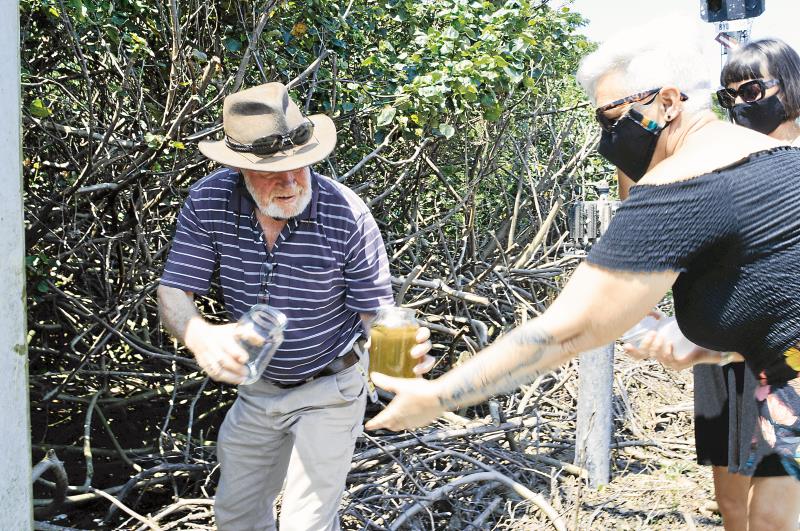
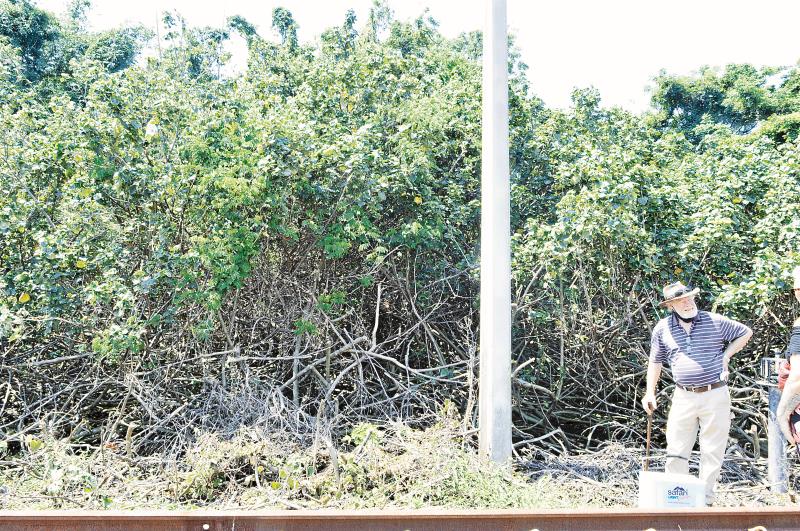
Through observation, he said a large hibiscus bush in the area prevents access to a large body of water where mosquitoes breed and is currently looking into potential solutions to control the plague.
“This includes controlling the adult and water stages of these mosquitoes. I have found and established where where main breeding site is and have tested one method of control so far. I am consulting with Solomon and the local health authorities to find a way to eliminate them in all their development stages. I am also testing different insecticides to establish the mosquito resistance and susceptibility status to them. I have already found one class of insecticide that these mosquitoes are resistant to, and in the process of testing two others for the same reasons,” said Graham, who assured the public that although a resolution will take time, he and the departments of health and sanitation are working hard to find a way to control the severe problem.
“The insecticides I would use have all been approved by the World Health Organisation (WHO) for the control of malaria vector mosquitoes and other mosquitoes of public health importance, for the control of disease spread by them. They have been used for decades to control and kill these mosquitoes with no fatalities ever in my professional experience, in the entire continent of Africa and the world where they are used. Millions of homes have been sprayed, both rural mud huts and modern housing, saving even more millions of lives, particularly children under five and the elderly,” he said. The insecticide in not harmful to humans, animals or the environment.
Kloke gained his vast knowledge by working for the National Institute for Tropical Diseases in 1989. He did a lot of work for the epidemiology for a malaria control programme in Zululand. He has been working with insecticides (spraying and testing for insecticide resistance) and mosquitoes, consulting and researching insecticides and mosquitoes for the control of malaria and other diseases carried by them, for over 25 in many African countries. He holds a masters degree in medical epidemiology at the University of Witwatersrand.
He has had approval from WHO and the African government Ministries of Health for malaria mosquito control programmes which he implemented in Africa in the past. He worked on mosquito control and insecticides in the USA, where he is registered as a Public Health Pest Control Applicator.
Report any neglected and problematic addresses, that are not responsible for the upkeep of their swimming pools or who have large dump sites on their properties, to zoeadelesolomon@gmail.com
WATCH: Officials address Bluff mosquito woes
FOR YOUR INFORMATION
As your local news provider, we have the duty of keeping you factually informed on Covid-19 developments. As you may have noticed, mis- and disinformation (also known as “fake news”) is circulating online. Caxton Local Media is determined to filter through the masses of information doing the rounds and to separate truth from untruth in order to keep you adequately informed. Local newsrooms follow a strict pre-publication fact-checking protocol. A national task team has been established to assist in bringing you credible news reports on Covid-19. For any comments or queries, contact the National Group Editor, Irma Green at irma@caxton.co.za or the Legal Adviser, Helene Eloff at helene@caxton.co.za.
DID YOU KNOW? Click on the words highlighted in red to read more on this and related topics. To receive news links via WhatsApp or Telegram, send an invite to 061 876 3179 The Southlands Sun is also on Facebook, Twitter, Instagram and Pinterest – why not join us there?
Do you have more information pertaining to this story? Feel free to let us know by commenting on our Facebook page or you can contact our newsroom on 031 903 2341 and speak to a journalist.