
Residents reject Bela Bill: Outcry sparks heated debate
Residents are concerned about the new law’s impact on local educational governance and its inadequate approach to public consultations.
A GROWING wave of opposition has emerged against the signing of the Basic Education Laws Amendment Bill (Bela Bill) by President Cyril Ramaphosa, with community members voicing strong objections over the bill’s handling of public consultations.
The Bela Bill, which is now an Act, was signed into law by President Cyril Ramaphosa on September 13.
Rural communities excluded from consultation
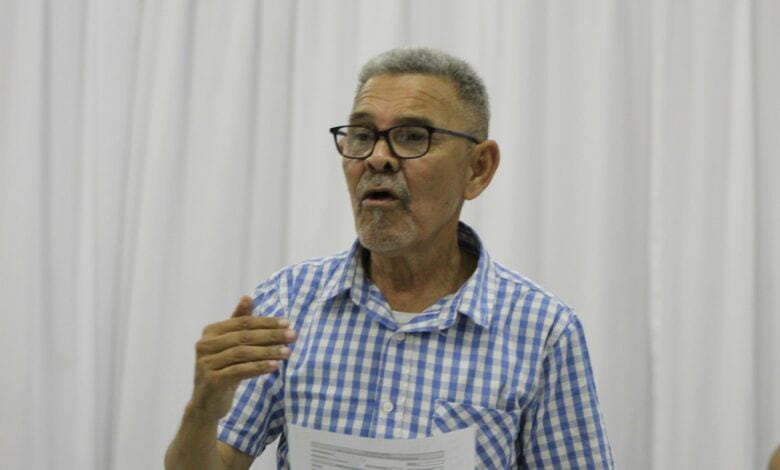
A communist activist from Wentworth, Andre de Bruin, has highlighted significant concerns regarding the exclusion of rural communities from the consultation process.
De Bruin has criticised the bill’s consultation process for failing to adequately include voices from rural areas.
“The public consultations were disproportionately focused on urban centres, leaving rural communities, who are also impacted by this legislation, without a platform to voice their concerns. This lack of representation undermines the democratic process and disregards the needs and perspectives of those living outside the cities.
“It is so sad that the people who were entrusted to community awareness and community participation failed the masses. And the National Council of Provinces is to be blamed for this,” said De Bruin.
Also read: The importance of ECD Education
De Bruin argued that the new law’s implications could have far-reaching effects on rural areas, yet those most affected were not given a fair opportunity to contribute to the discussions. The absence of rural input, they argue, could lead to policies that do not fully address the unique challenges faced by these communities.
Serious repercussions on ECD centres
Another resident, Deepachund Harreepasrshad, called on the government to relook at the implications of the new act.
“This new law will have serious repercussions on Early Childhood Development. The government schools are not funded properly, and schools have to raise funds for themselves,” he said.
The new law guides schools in the development of codes of conduct that take into account respect for religious and cultural beliefs.
The controversy has sparked a series of community meetings and rallies aimed at raising awareness and advocating for a more inclusive consultation process.
The new law also seeks to align the role of the school governing body in determining languages and admission policies with the responsibility of provincial education departments to ensure the constitutional right to basic education.
It also aims to reinforce the ban on corporal punishment. It introduces stronger penalties for those who administer corporal punishment.
In light of the different views expressed about the new law, Ramaphosa, in his address last Friday, said he had decided to delay the implementation date for clauses 4 and 5 of the bill by three months.
Sadtu welcomes the signing of the bill into law
The South African Democratic Teachers Union (Sadtu) has welcomed the new law. However, the teachers union called for the Minister of Basic Education, Siviwe Gwarube, to resign after she refused to be part of the signing of the bill into law last Friday.
Clause 4 of the Bela Bill gives the Department of Basic Education greater control over admissions policies, and Clause 5 compels the school governing body to submit the school’s language policy to the provincial head of department for approval.
For more Southlands Sun news, follow us on Facebook, Twitter and Instagram. You can also check out our videos on our YouTube channel or follow us on TikTok.
Subscribe to our free weekly newsletter and get news delivered straight to your inbox.

Do you have more information pertaining to this story? Feel free to let us know by commenting on our Facebook page or you can contact our newsroom on 031 903 2341 and speak to a journalist.