
Households encouraged to recycle unwanted electronic equipment
The Department of Forestry, Fisheries and the Environment encourages proper disposal of e-waste as South Africa battles high levels of e-waste.
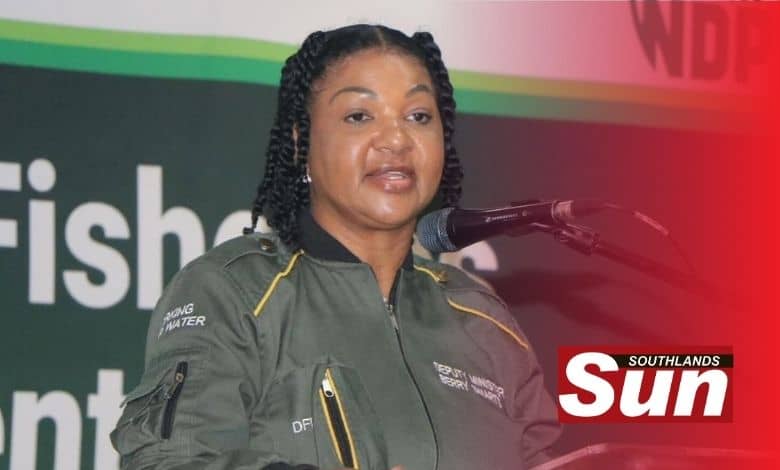
THE Deputy Minster of the Department of Forestry, Fisheries and the Environment, Bernice Swarts, is calling on households to take initiative and support responsible e-waste management. Swarts’ encouragement comes after International E-Waste Day was observed on October 14.
Also read: E-waste initiatives encourages residents to discard old appliances
Do not just bin it
This year’s theme, “Don’t bin it, bring it”, aims to raise awareness on the growing challenge of electrical and electronic waste and the importance of responsible collection, recovery and recycling.
“Small electronic items may appear insignificant when discarded individually, but collectively they contribute to a rapidly growing waste stream. This year’s message, ‘Don’t bin it, bring it’, reminds us that electronic products should be returned to appropriate collection and recycling channels rather than thrown away with ordinary waste,” said Swarts.
The theme this year also places a major focus on smaller electronic items such as earphones, charging cables, adapters, electronic toys, mini fans and other everyday gadgets. While the items seem small, they contribute to the 360 000 tonnes of e-waste accumulated in South Africa. Of the total e-waste, only 10% of it is correctly disposed.
Also read: Yellowwood Park plugs into e-waste collection drive
Swarts said the department is working with municipalities across the nine provinces to regularly have e-waste collection drives, which have made their way to the Durban South on numerous occasions.
“The department further reminds South Africans that the disposal of e-waste to landfill has been prohibited since August 2021, creating an important opportunity to divert electronic waste towards recycling and recovery operations,” said the department in a statement.
Dangers of incorrect disposal
Emeldah Mkhulisi, education officer for DSW, said that creating awareness about correct disposal is vitally important.
“Improper disposal causes health issues in humans and wildlife. Electronic devices contain hazardous materials such as lead, mercury and cadmium. If not disposed of properly, these toxins can leach into the soil, water and air, posing serious health risks,” she said.
How to dispose it correctly?
The burning question remains, how do I as a business, household or organisation, ensure I am correctly disposing my e-waste? There are two approaches when it comes to the disposing of e-waste, one can either donate, repair or sell unwanted electronics or make use of designated e-waste drop-offs.
To find the nearest e-waste drop-off, citizens can make use of https://eranpc.co.za/for-the-public/find-an-ewaste-drop-off-location/ or https://ewasa.org/recycle_map/.
For more Southlands Sun news, follow us on Facebook, Twitter and Instagram. You can also check out our videos on our YouTube channel or follow us on TikTok.
Subscribe to our free weekly newsletter and get news delivered straight to your inbox.