Soweto 1976 Youth March retraced to focus on unchanged conditions 50 years later
Youth unemployment, poverty and substance abuse remain pressing concerns five decades after 1976, prompting Soweto veterans and young people to unite in a symbolic march to Orlando Stadium.

Soweto 1976 Youth March retraced to focus on unchanged conditions 50 years later and finish what the Class of ’76 started.
The march, scheduled for Tuesday, June 16, aims to present a manifesto to President Cyril Ramaphosa.
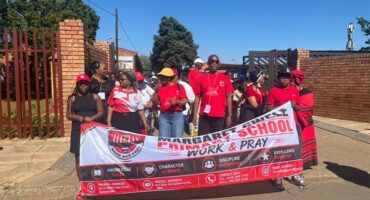
Veterans of the 1976 Uprising and members of the younger generation will march from the corner of Moema and Vilakazi streets in Orlando West to Orlando Stadium, where the document will be handed over.
A veteran of the 1976 Soweto Uprising who took part in the original march, Seth Mazibuko, said it is an affront to them and the youth of today that the main commemoration of the 1976 Uprising should not take place at Orlando Stadium.
“Orlando is not merely a venue, but a symbol of youth, courage, resistance and hope. In 1976, we planned to end our march at Orlando Stadium.
“The commemoration of June 16 anywhere else diminishes the sacrifices made on that fateful day to secure the freedoms we enjoy in a democratic South Africa,” said Mazibuko.
ALSO READ: Soweto Country Club hosts launch of Golf4Change Jozi youth clinic
Marchers will include civil society organisations, community members, youths from Soweto and the greater Johannesburg, and veterans of the 1976 student movement.
Mazibuko further stated that another pain point for the group is the renaming of Orlando Stadium to reflect its sponsorship by an alcohol company.
“It is deeply ironic that fifty years later, one of the most important symbols of the 1976 student movement has become associated with alcohol branding and commercial naming rights, while the official commemoration itself is moved away from the very location where history unfolded,” remarks Mazibuko.
He said among the issues that fuelled youth resistance in 1976 was the destructive impact of municipal beer halls and the alcohol-related harm affecting township communities.
ALSO READ: Community rallies behind youth scouting initiative fundraiser
Mazibuko explained that beer halls were widely viewed as symbols of exploitation, social decay, and the extraction of resources from already impoverished communities.
He said many became targets of community resistance as young people recognised the ongoing damage that alcohol abuse wreaked on their families and friends.
Junior Mayor of Johannesburg, Kamogelo Malikane, said that 50 years later, many of the issues that concerned the youth of 1976 remain with us.
ALSO READ: Government launches 1976 youth uprising 50th anniversary commemoration
He added that young people continue to face unemployment, poverty, violence, substance use, mental health challenges and limited opportunities.
“We will be handing over an 11-point Youth Manifesto to the President. Among the issues raised will be a call for stronger substance abuse prevention programmes, accessible treatment and recovery services, and healthier communities where young people can thrive,” said Malikane.