Pimville woman shares journey from addiction to recovery
A recovering addict and local experts explain how addiction takes hold, why family support matters and where people can find help.
Recovery is a difficult journey for those who have suffered from drug and substance abuse, irrespective of whether it was a short or long period of use.
For some, it starts with a simple cigarette shared among friends due to peer pressure; before you know it develops into curiosity to experiment with dagga and gateway drugs, followed by hardcore drugs.
While peer pressure led many, especially young people, into drugs. For others, it starts as a way to escape unemployment, poverty, trauma or abuse.
ALSO READ: Diepkloof Drug Addiction – NPO offers hope
The repercussions do not only affect the user, but they extend to the immediate family and ultimately the community.
More so when the user cannot fund his/her habits and begins seeking other quick means to get the next fix.
Recovery coach Abraham Chabaesele from Come Back Mission, an organisation dedicated to helping people with drug disorder in Eldorado Park, shared that he meets new people every day who come to the centre looking for assistance.
He described drug and substance abuse as a huge problem in the community.
“We get new patients daily. Addiction does not discriminate. There are young adults, older people, and people from different walks of life.”
ALSO READ: Diepkloof Drug Addiction – NPO offers hope
According to him, unemployment and poverty continue to be some of the most significant causes of addiction.
“Once people get frustrated and hopeless, they seek means of coping. The problem is that some of them get hooked on drugs and think that it will be for a short period. Over time, from casual use they get addicted due to increased tolerance.”
Social worker Louraine Phasha echoed Chabaesele’s sentiments, citing that addiction tends to stem from situations other than the drug itself.
According to her, unemployment and poverty continue to be two of the major causes of substance abuse in various parts of Soweto and Eldorado Park.
“People feel frustrated because they would like to get jobs, but there is not much opportunity available,” she stated.
ALSO READ: New Gauteng initiative launched to wage war against drug addiction
“Whenever people feel such negative emotions, they try to find solutions. Unfortunately, some resort to substances.”
She added that some of the addicts had been introduced to the drugs while trying to make a living by selling the drugs.
Dealing with cases of substance abuse on a daily basis, she argues that addiction never comes alone.
“Even with cases of gender-based violence, substance abuse usually plays some role,” she explained.
Phasha went on to say that abuse of drugs is always interlinked with crime, violence and gangsterism.
Chabaesele’s observations suggest that crystal meth and cat continue to be among the most commonly abused drugs in the community.
The other thing he has seen is young people experimenting with over-the-counter medication and mixing it with soft drinks to form lean, purple drank, sizzurp or dirty Sprite.
“The most alarming thing for me is how easy access is to some of the substances by young people,” he said.
While there are differences in the kinds of drugs, the reason for their usage is quite similar, he added.
Others have a family history that involves long-standing problems with substance abuse. Some are affected by their environment, or their friends, or even past trauma.
ALSO READ: Internet addiction – How much screen time is too much?
“It is not the same reason. Every person’s story is different.”
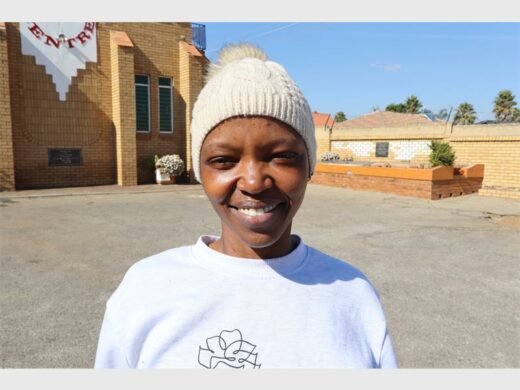
However, for Raylene Ngubane, drug abuse didn’t result from poor academic performance in school or peer pressure.
She describes herself as a good learner who was just being curious.
“As early as 16, I was smoking cigarettes and dagga.”
Curiosity made her experiment with ecstasy, cat and then crystal meth.
“I had this belief that I could control it. That I was more powerful than the drugs.”
But what she couldn’t control was crystal meth. She used it for years.
“It pushed me to do things I wouldn’t normally do. It robbed me of a part of myself.”
The turning point
Ngubane told Soweto Urban that she had been employed during most of the period and even paid for her drug use on her own through telemarketing and then working in the pharmaceutical industry.
But once she lost her job, everything changed.
She started collecting scraps to raise money.
“As I stood at the dumpsite looking at other users, it became a turning point for me. I saw where I am, and I realised this cannot be my life anymore.”
Recovery entails more than quitting
Recovery is not all about giving up the drugs, as the coach explained.
It involves restoring relationships, reuniting with family members, learning life skills and finding healthier coping strategies.
Many clients attend aftercare programs after undergoing inpatient treatment and get counselling, support groups and advice.
“Addicts end up going back into an environment that triggered their addiction,” he added.
“With no support system, they will easily go back.”
ALSO READ: Overcoming social media addiction
Recovery should be done with the family being actively involved and not judging or alienating their addicted members.
“Connection is the opposite of addiction,” he added.
“Families can see issues early when they stay connected.”
Challenges on the journey
One of the largest hurdles faced by recovering addicts is the stigma that they face as they try to go back to their homes.
Communities often continue to view them as they did before, regardless of how hard they are trying to rebuild their lives.
“Whenever something goes missing, they immediately become suspects,” Chabaesele added.
“This stigma prevents people from staying on the path to recovery.”
While support services are available, Phasha said access to treatment remains a significant challenge.
“There simply are not enough treatment centres,” she said, explaining that governments have increasingly favoured community-based and outpatient treatment over inpatient rehabilitation programmes.
She shared that early treatment is essential, urging people to address their problems with addictions before reaching a critical stage.
Finding herself again
Ngubane recently embarked on her journey to recovery.
Although she knows the road ahead will be challenging, she said she made the decision after a period of self-reflection and with the encouragement of her family.
“I miss myself,” Ngubane said.
“It feels as if addiction took away about 20% of my personality. I have to get it back.”
ALSO READ: Man arrested for possession of stolen vehicle and drugs in Eldorado Park
Ngubane plans on rebuilding her life, finding employment and opening up a soup kitchen for the underprivileged.
“The world needs to know the real Ngubane.”
Where to get help
If you are struggling with substance abuse, you do not have to fight it alone.
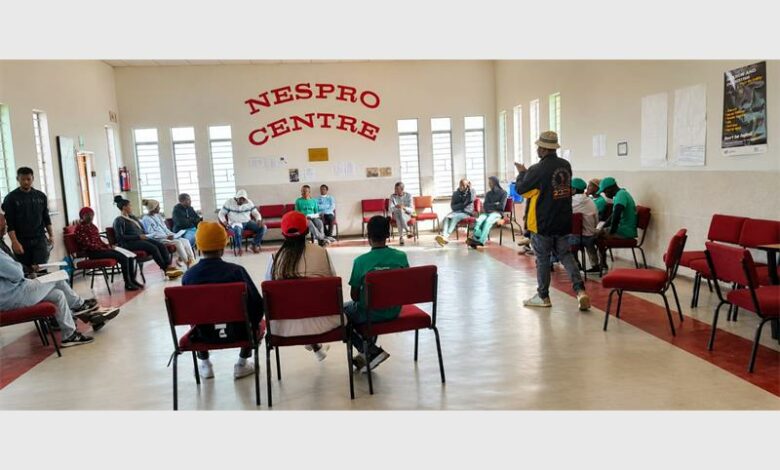
You could get help from the CBM, located at Naspro Centre in Eldorado Park, where clients are assessed and linked to suitable programmes.
The centre also offers aftercare programmes to people coming out of rehab.
The recovery coach advises families not to leave it too late when trying to get help for their loved ones who have problems with substance abuse.
Symptoms that might indicate you need help
•Unexpected changes in behaviour or attitude.
•Withdrawal from family and friends.
•Poor performance at school or work.
•Money issues.
•Lack of interest in activities or responsibilities.
•Unusual carelessness in one’s appearance.
•Uncharacteristic secretiveness and lies.