


Whether this is pressure from European clubs or institutional indifference, AFCON must adapt.
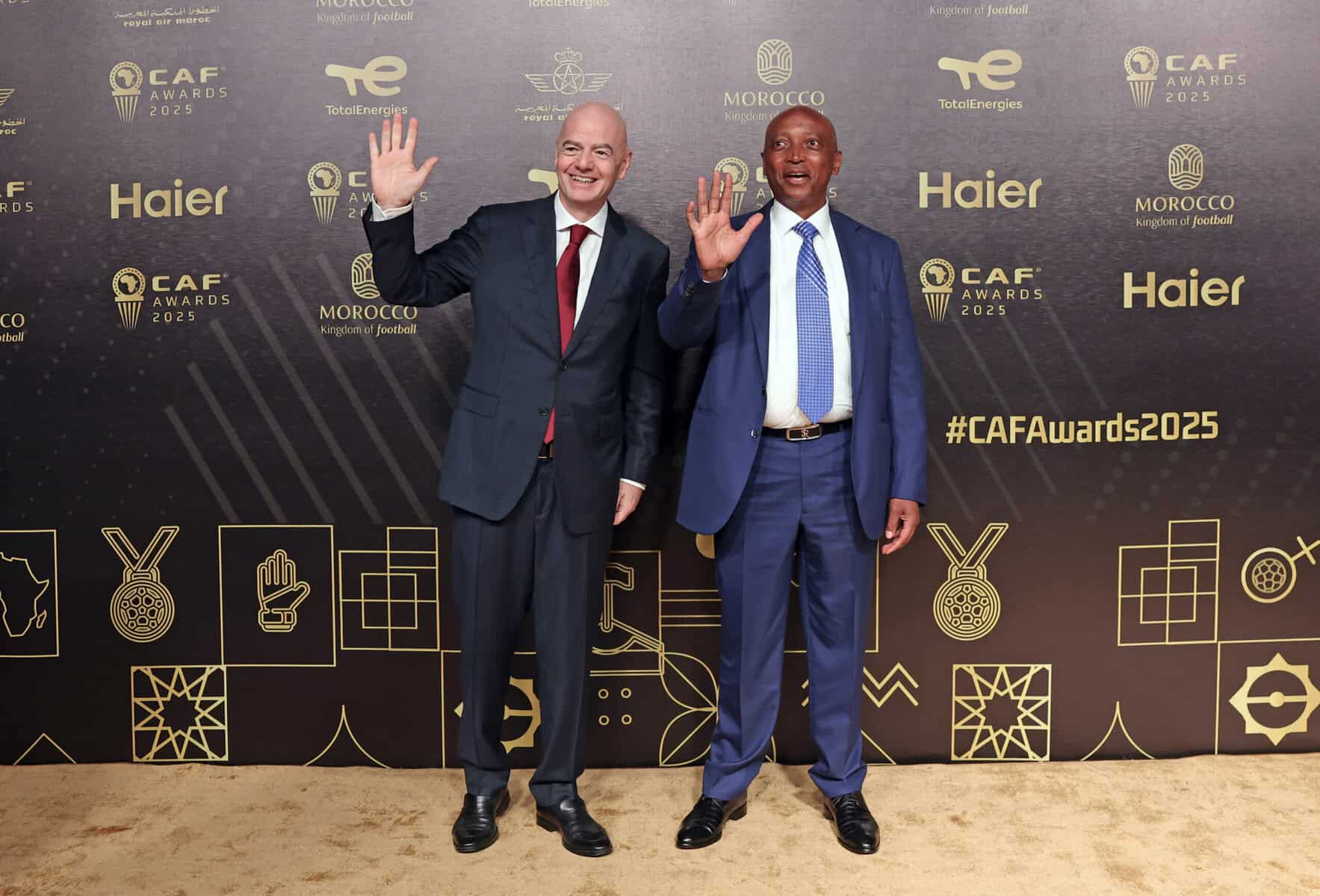
Fifa President Gianni Infantino and CAF President Patrice Motsepe during the 2025 CAF Awards at the Mohammed VI Polytechnic University in Rabat, Morocco on 19 November 2025 ©BackpagePix


The debate around FIFA’s decision to shorten the release period for players ahead of the Africa Cup of Nations (AFCON) to just six days has been framed as a logistical compromise. In truth, it is an admission that African football continues to be treated as an inconvenience rather than a priority.
FIFA regulations allow for a two-week release period before major tournaments, yet AFCON is routinely forced to bend. It must be stated that the same thing happened before the 2022 World Cup in Qatar, when the release window was also shortened. Whether this is pressure from European clubs or institutional indifference, AFCON must adapt.
ALSO READ: Bafana set to all be together at last as AFCON hype heats up
The tournament’s scheduling has long been the elephant in the room. It serves neither clubs nor players, and increasingly undermines the competition itself. Clubs invest vast sums in African players, only to lose them at the most decisive point of the domestic season. The consequences can be severe, ranging from a title challenge collapsing to the very real threat of relegation.
Fulham are already experiencing this reality before a ball has even been kicked at AFCON after being knocked out of the Carabao Cup quarterfinals by Newcastle United on Wednesday without the Nigerian trio of Alex Iwobi, Calvin Bassey and Samuel Chukwueze.
FSunderland are enjoying an excellent return to the Premier League, yet they are set to lose six key players to their respective national teams. Manchester United will also be affected by the departures of Amad Diallo, Bryan Mbeumo and Noussair Mazraoui.
The disruption is not hypothetical, it is immediate and damaging and clubs are entitled to feel aggrieved. The burden of this flawed calendar is too often shifted onto African players, who are made to choose between club survival and national pride.
This is why the decision to stage the 2027 AFCON in Uganda, Kenya and Tanzania between June and July is more than a scheduling tweak, it is long overdue. Aligning the tournament with the global football calendar is not pandering to Europe, it is protecting the integrity of African football.
It creates a fairer ecosystem and players would not be forced into uncomfortable compromises. It would also remove the unspoken stigma that African internationals are a “risk” in the transfer market, a perception that has quietly limited opportunities at the very top level.
The current system breeds unhealthy outcomes and players face subtle pressure to delay call-ups, exaggerate injuries or prioritise club duties out of fear for their careers. The situation at Wolverhampton Wanderers involving Marshall Munetsi and the Zimbabwe national team, marred by disputes over medical reports, is a symptom of a much deeper problem rather than an isolated incident.
If Nigeria were to reach another AFCON final, clubs like Fulham would be without key players for at least six league matches and one FA Cup fixture. That strain inevitably fuels resentment towards the tournament itself, rather than towards the structures that created the problem.
ALSO READ: Hakimi boost as Morocco seek end to AFCON title drought
By 2027, those excuses should be gone with the tournament moved to the June-July off-season period and accusations of disrespect from European clubs will lose their footing. More importantly, African football stands to gain renewed credibility.
Support Local Journalism
Add The Citizen as a Preferred Source on Google and follow us on Google News to see more of our trusted reporting in Google News and Top Stories.

